
 Reading time: 2 minutes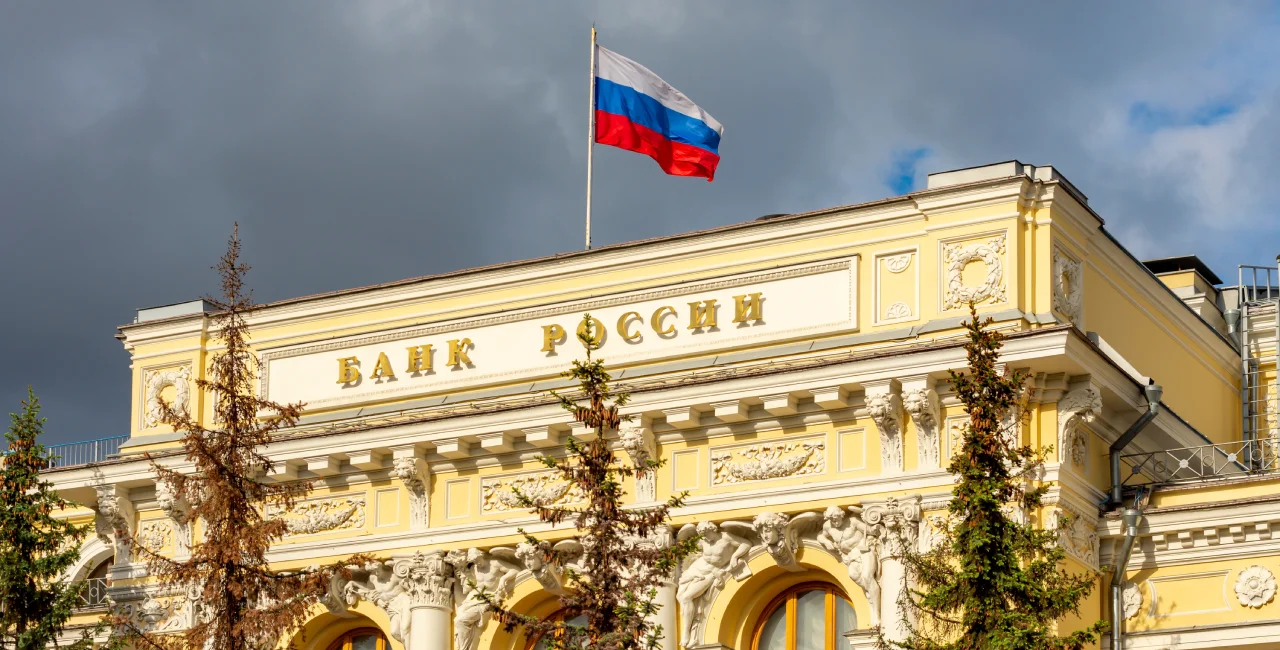

 Summary for: Czechia backs new EU plan to freeze Russian assets indefinitely
The European Union will maintain its freeze on Russian assets indefinitely, removing the previous six-month review cycle, EU member states decided Friday. Czechia voted in favor of the measure, while Hungary and Slovakia opposed it, according to Czech News Agency sources.
The indefinite freeze is intended to secure Russian funds for potential use in aiding Ukraine, reducing uncertainty for countries holding these assets and providing a more stable framework for EU sanctions.
Czech Finance Minister Zbyněk Stanjura, who participated in the Brussels vote, said the outgoing Czech government fully supported the decision.
"Our government and I, we are of course in favor. I think it is the right approach that the aggressor should not have access to its resources," Stanjura told reporters. The Czech cabinet is set to be replaced on Monday, limiting its ability to make further official statements.
Background and scale of the freeze
Until now, EU sanctions targeting Russia required unanimous renewal every six months, which also determined the status of frozen assets. Failure to extend sanctions risked releasing billions of euros back to Russia, a concern especially in Belgium, where most assets are held.
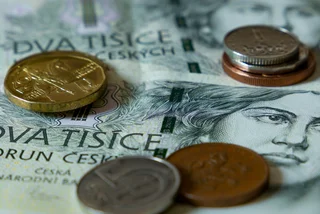
The EU has currently frozen approximately EUR 210 billion (CZK 5.1 trillion) in Russian funds, with Czechia’s share estimated at EUR 3.7 billion (CZK 89 billion).
Belgium has requested guarantees that if assets must be returned, other EU states share the financial risk. Stanjura described this as reasonable, saying, "Since this is a joint decision, the risks should be joint as well."

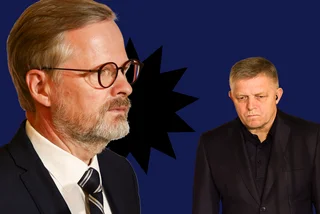
Hungary and Slovakia opposed the plan, citing legal and financial concerns. Hungarian Prime Minister Viktor Orbán called the qualified majority approval “illegal,” while Slovak Prime Minister Robert Fico opposed any EU-backed solutions covering Ukraine’s military expenses for coming years.
Next steps for Ukraine support
The indefinite freeze paves the way for using Russian assets to assist Ukraine. An EU summit next Thursday will focus on Ukraine’s urgent financial needs for 2026 and 2027.
Proposed options include a European Union loan or a reparations loan secured by frozen Russian funds. Newly appointed Czech Prime Minister Andrej Babiš is expected to represent Czechia at the summit.
Experts say the move aligns with broader EU efforts to tighten economic pressure on Russia while ensuring resources are available to support Ukraine. It also reflects a growing trend among Western allies to convert frozen foreign assets into aid or reparations when sanctioned states engage in military aggression.

For now, the decision guarantees that Russian assets will remain frozen until further notice, while sanctions related to the invasion of Ukraine must continue to be renewed. Observers will be watching how the incoming Czech government engages with the EU on aid for Ukraine in the next steps.