



 Reading time: 2 minutes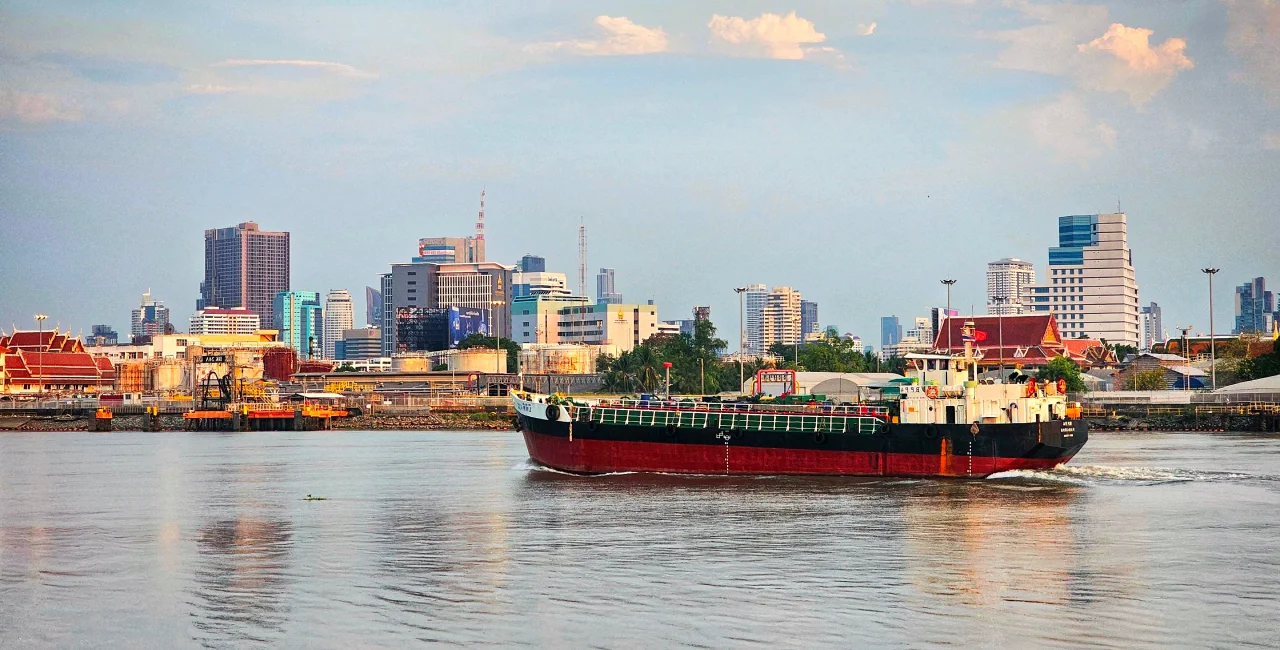

 Summary for: Czechia joins international effort to protect shipping in Strait of Hormuz
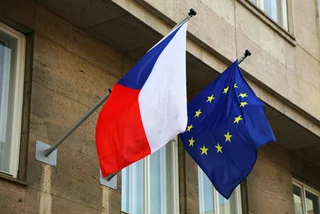
The Czech Republic has joined 13 other countries in a joint pledge to help secure safe navigation through the Strait of Hormuz, a key route for global oil exports. The move comes as tensions escalate following Iranian attacks on commercial vessels and civilian infrastructure in the region.
The agreement, signed on Friday, emphasizes the countries’ readiness to support measures that protect merchant ships from threats, including mines, missiles, and drones. Officials said the initiative aims to maintain the free flow of maritime trade that directly affects global markets, including energy supplies impacting Czech consumers and businesses.

International security effort
The initial statement was released Thursday by the United Kingdom, France, Germany, Italy, the Netherlands, and Japan. On Friday, Czechia, Denmark, Norway, Sweden, Finland, Latvia, Lithuania, Estonia, Romania, Canada, South Korea, New Zealand, and Bahrain joined.
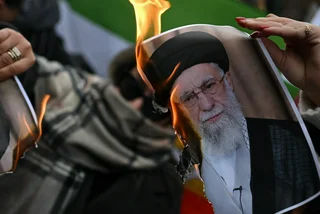
The signatories condemned recent Iranian attacks on unarmed commercial vessels and infrastructure in the Strait, which has become a flashpoint after Israeli-American strikes began on Feb. 28.
Before the conflict, roughly 20 percent of global oil trade passed through the strait. Iranian threats and disruptions have restricted the movement of tankers and merchant ships, raising concerns about global energy security.
Czech officials welcomed the opportunity to participate in a multinational effort to safeguard maritime trade. “We express our readiness to contribute to measures that ensure safe passage through the Strait of Hormuz,” the statement reads.
The countries urged Iran to halt attacks, mine-laying, and threats against commercial vessels, noting that such actions risk global supply chains and international security. The statement also calls for compliance with United Nations Security Council Resolution 2817 and an immediate moratorium on attacks targeting civilian infrastructure.
Reactions and next steps
While the pledge signals international coordination, details on the practical measures remain unclear. French President Emmanuel Macron noted European nations could “at most” enforce international law and promote de-escalation while the conflict continues.
German Chancellor Friedrich Merz said any concrete actions would follow after fighting subsides.
U.S. former President Donald Trump criticized NATO members for hesitating to engage directly in the strait’s security, calling them “cowards” in social media posts. He added the U.S. would assist if requested, despite claiming it does not directly use the waterway.
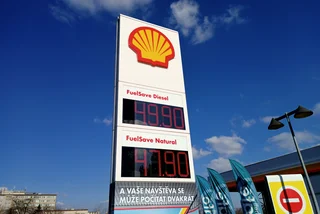
For Czech-based businesses and consumers, the developments highlight the potential impact of maritime security on global energy prices and supply stability. Authorities continue to monitor the situation and coordinate with international partners to ensure safe shipping routes remain open.