



 Reading time: 5 minutes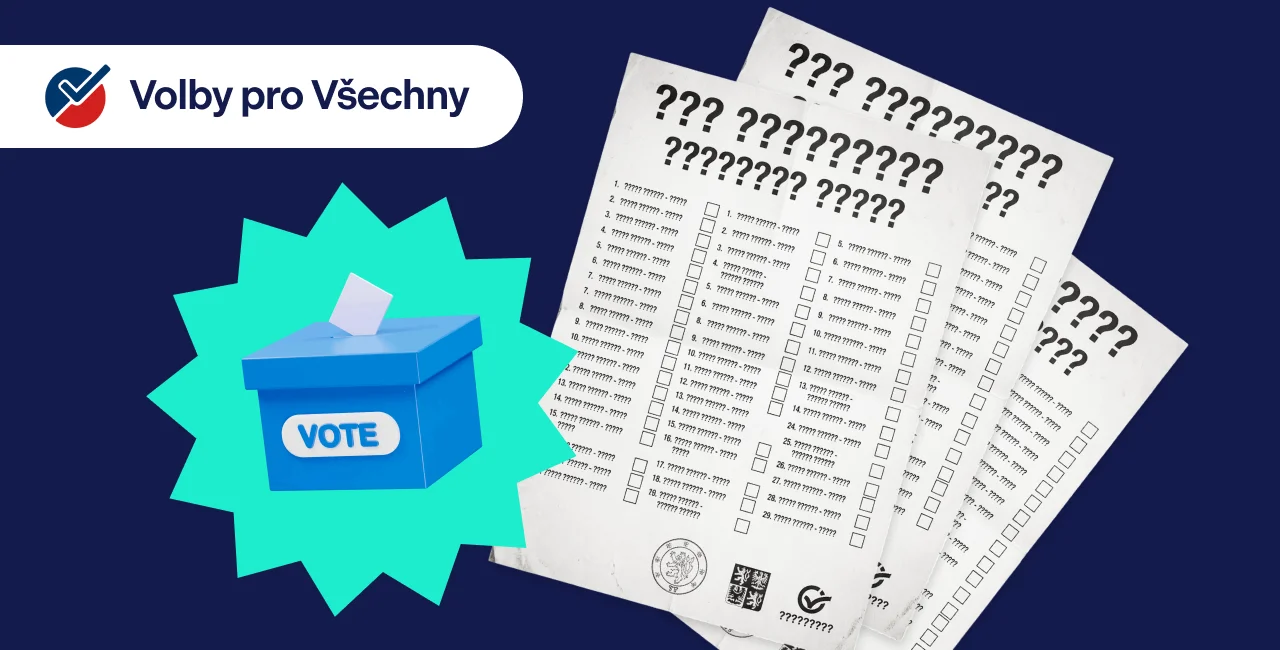

 Summary for: What’s on the ballot? A non-Czech speaker’s guide to Prague municipal elections
Municipal elections are taking place across Czechia on Oct. 9–10. In Prague, political posters and campaign leaflets are everywhere. If you don’t understand Czech, making sense of the slogans and the city’s complex coalition politics can be a challenge. Yet these elections will directly affect your daily life in the capital—from public transit fares and housing access to school placements and neighborhood safety.
EU citizens with registered residence in Czechia can vote in these elections. But regardless of whether you can vote, here’s an overview of some of the big issues and where the different parties stand.

Housing affordability
Housing is always a sensitive issue in Prague, as rents and real estate prices continue to outpace average wage growth. The different parties have fundamentally different visions for keeping the capital livable for average families and workers.
The basic question is how to expand residential space and whether growth should be driven more by private developers or city-controlled municipal housing.
The center-right parties and coalitions (SPOLU/ODS, TOP 09) generally prefer market-driven solutions, such as streamlining construction permitting, opening large brownfield sites (such as Smíchov City and Bubny-Zátory) for private investment and using standardized developer contribution frameworks to fund accompanying infrastructure. They typically criticize the municipal housing development authority (Pražská developerská společnost) for ineffectiveness.
The progressive and centrist parties and coalitions (STAN, Pirates, Praha Sobě, Greens) advocate for major municipal investments directly in public apartment construction. They respond that the municipal housing development authority has about 8,000 flats in preparation. All sides generally agree on stricter enforcement of rules for platforms such as Airbnb to convert thousands of unregistered short-term tourist flats back into long-term residential housing.
Infrastructure, transit and mobility
Transport policy typically pits public transit advocates against motorist lobbies. Transit advocates (Praha Sobě, Pirates, STAN) emphasize ongoing megaprojects such as Metro Line D, the planned circular “Metro O” outer ring and tram line expansions.

They also favor traffic-calming measures, school zones, dedicated bike lanes and banning commercial e-scooters from pedestrian zones in the city center. They want the price of the annual Prague transit pass to rise to maintain quality and support future development, and they also support raising the price of resident parking permits.
Conservative and populist parties (ODS, ANO, SPD) claim that reductions in parking spaces have caused unnecessary gridlock and argue that transit policy should pay more attention to the needs of motorists. They campaign on accelerating major bypass roads, such as the Inner Ring Road, and restoring vehicle accessibility in district centers. These parties oppose raising the price of the annual Prague transit pass and resident parking permits.
School capacity and education infrastructure
People raising children in Prague may have confronted the shortage of primary school and kindergarten places. The political issue is how best to expand public education facilities in areas with rapidly growing populations.
Centrist and center-left coalitions (Praha Sobě, STAN, local independent lists) propose that City Hall require developers to directly fund or construct new schools and kindergartens inside new residential developments before flats go on sale.

Center-right parties (ODS, TOP 09), in contrast, support expanding school capacity through targeted city subsidies and closer partnerships with private education providers. One proposed short-term solution is for the city to pay for student places in private schools; Praha Sobě is the main supporter of this policy.
Municipal cash surpluses vs. public investment
A major topic this election cycle is the management of Prague’s massive capital reserve. Czech financial reports show the city holding over CZK 100 billion in unspent budget accounts. The opposition and progressive parties (Praha Sobě, Pirates) criticize the current leadership for “sitting on the money” instead of using it for bridge repairs, school expansion and investment in housing and energy efficiency.
The governing fiscal conservatives (ODS, TOP 09) respond that maintaining fiscal discipline is key, partly to ensure funding for long-term megaprojects such as the Vltava Philharmonic Hall and Metro D.
Tourism management and quality of life in the historic center
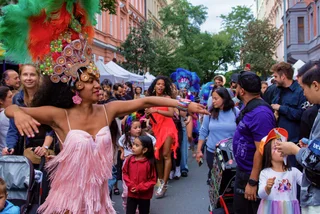
Dealing with the downsides of tourism in central districts is another perennial issue. Progressive parties (Praha 1 Sobě, Greens) argue for strict curbs on “party tourism,” including nighttime quiet zones, removing illegal outdoor restaurant terraces and cracking down on disruptive nightlife venues. Parties on the right (ODS, ANO) oppose overly restrictive regulations that might harm local business owners and hospitality venues, instead promoting targeted policing and designated entertainment zones.



Who will be the next mayor?
Prague does not directly elect its mayor. Rather, voters choose the 65 members of the Prague City Assembly, who then negotiate a governing coalition and choose the mayor. Depending on the election results and which coalitions form, here are several likely candidates to become the next mayor.
SPOLU for Prague (ODS + TOP 09)
The center-right coalition currently leads the city government together with the Pirates and STAN. Its candidate for mayor is Tomáš Portlík, the mayor of Prague 9. SPOLU’s campaign emphasizes faster construction, housing, major infrastructure and transport, and what it describes as a need to make City Hall work faster.
The Pirates
The Pirates’ lead candidate is Tereza Nislerová, an economist and Prague 4 councilor. Their program puts considerable emphasis on municipal housing, public transport, Metro D, new tram lines, the regulation of short-term rentals and more greenery and shade in the city.
STAN (Mayors and Independents)
The third member of the current governing coalition, STAN’s candidate is Petr Hlaváček, the current deputy mayor responsible for territorial and strategic development. Hlaváček has put transportation and infrastructure at the center of his campaign, arguing that Prague’s transport system is underfunded and proposing higher parking and public transport prices alongside major investment in roads and rail.
ANO
The largest opposition group in the current Prague Assembly, ANO’s Prague campaign is led by Jan Hušbauer, deputy mayor of Prague 4. He stresses faster municipal investment, more city-owned housing, parking facilities, transport infrastructure, schools and public safety.

Praha Sobě (Prague for Itself)
This is a locally focused movement founded by Prague politicians currently in opposition at City Hall. Adam Scheinherr, a former deputy mayor responsible for transport, is its 2026 lead candidate. The movement is campaigning for faster preparation of thousands of municipal apartments, help with housing costs, expanded public transport and continued construction of the City Ring Road.
Make your voice heard
If you have the right to vote in the municipal elections, this is your chance to have a say in how your city and neighborhood are governed. Volby pro Všechny offers many tools to help you understand the election and your voting choices, including a party match quiz so you can see which party most closely aligns with your views.
More information is available from Volby pro Všechny, including on Facebook, Instagram and LinkedIn.