 Reading time: 2 minutes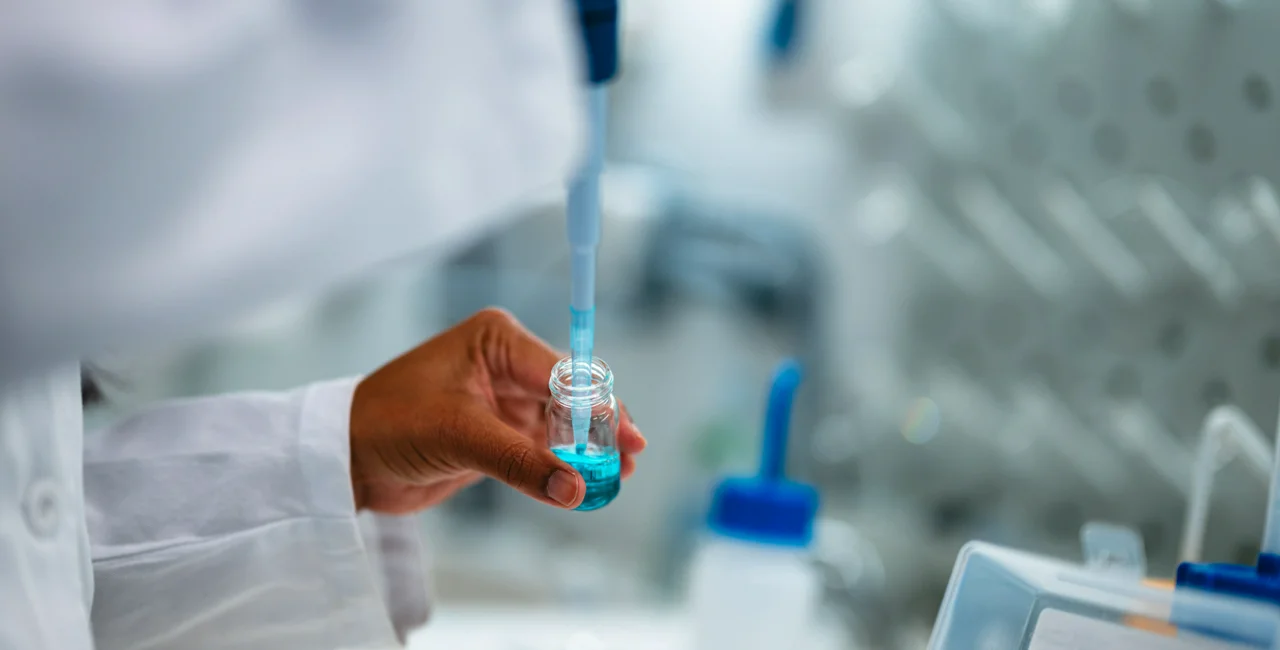

 Summary for: Brno scientists test light-powered water cleanup, with microplastics next
Scientists at Brno University of Technology’s CEITEC research institute are testing a water-cleaning method that uses light to activate a material made from urea, with laboratory experiments reporting efficiency of up to 97 percent.
The tests used water contaminated with methylene blue, a dye. Researchers now want to investigate whether the same approach could help remove microplastics, although that work is still at an early stage.

The findings were published in the journal Sustainable Materials and Technologies. Teams from Brazil and Colombia also participated in the research, according to ČTK.
Light activates the cleaning material
Urea is a widely available organic substance that occurs naturally. By processing it, the researchers produced graphitic carbon nitride, a compound of carbon and nitrogen that can be used for photocatalysis — a process in which light activates a catalyst.

“Our compound serves as a catalyst activated by incoming light,” research leader Daina Arenas Buelvasová explained in a CEITEC press release. Activation releases substances that break down contaminants in the water, she said.
The researchers describe an advantage over filtration methods that capture pollutants and leave them to be collected and disposed of. Their material can both capture contaminants and break them down when exposed to light.
In the laboratory experiments using methylene blue, the team reported efficiency of up to 97 percent. That result relates to the tested dye; it does not establish equivalent performance against other pollutants or in everyday water-treatment conditions.

Microplastics research is still beginning
The next question is whether graphitic carbon nitride could also be useful against microplastics.
“I want to find out whether photocatalysis using graphitic carbon nitride can also be used to remove microplastics. But we are only at the beginning,” said Arenas Buelvasová, who came to Czechia from Colombia.
The distinction matters: the team has reported promising results in dye-contaminated water, while microplastic removal remains a research goal.
For now, the findings concern an experimental treatment method. Further tests will determine how broadly it could be applied and whether the laboratory results can translate into practical water-cleaning technology.