



 Reading time: 2 minutes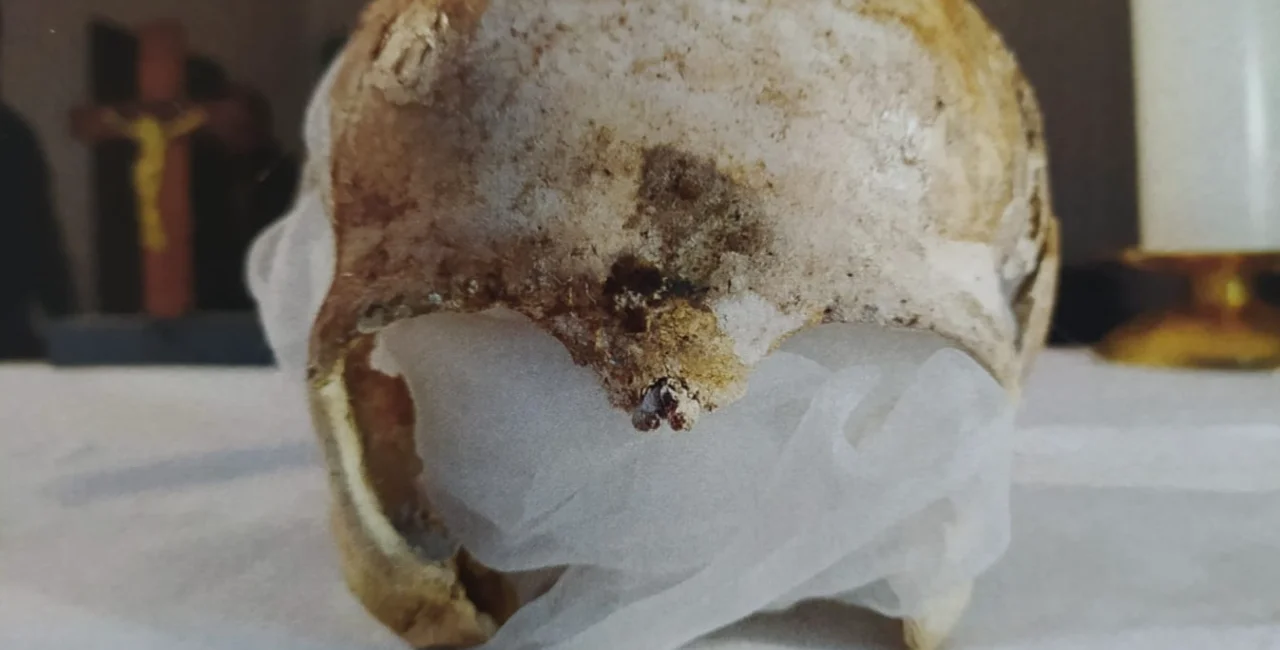

 Summary for: Czech police recover stolen skull of St. Zdislava encased in concrete
Czech police have recovered the stolen skull of St. Zdislava after it was found encased in concrete, following its theft from a basilica in Jablonné v Podještědí in the Liberec region earlier this week. The case has drawn international attention due to the relic’s religious significance and the unusual way it was concealed.
Authorities say a 35-year-old man was detained on Thursday and later directed investigators to the location of the relic after several hours of questioning. Police allege he admitted to taking the skull and attempting to hide it by embedding it in concrete, with plans to ultimately dispose of it in a river.
Police recover relic after suspect leads them to site
The skull, believed to be part of the remains of St. Zdislava, was stolen from a basilica in northern Czechia earlier this week. Police say the suspect acted alone and had planned the theft in advance, motivated by objections to the relic being publicly displayed in the church.
According to police, the man changed clothes after the theft and traveled to Mladá Boleslav, where he was later detained. Officers initially did not know he was the suspect in the case.
“He was so determined to carry out the act that he would have done it even if someone had been present,” Petr Rajt, head of the police district in Česká Lípa, said, adding that investigators used “non-standard psychological methods” during questioning. He did elaborate on the methods used during interrogation.
Relic found embedded in concrete
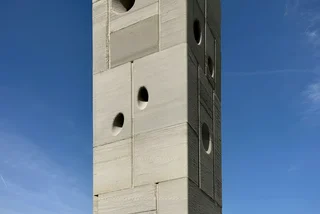
Investigators later discovered the skull had been deliberately encased in concrete in an attempt to conceal it. Restoration experts have now been called in to carefully extract the remains, a process expected to take several days.

Experts say the removal must be done mechanically using precision tools, as chemical cleaning would risk further damage to the fragile bone structure.
Karol Bayer from the University of Pardubice’s Faculty of Restoration said aggressive chemical methods would be unsafe. Instead, restorers will use tools such as diamond saws and micro chisels to gradually remove the concrete.
The skull is considered highly fragile, with significant historical damage and previous restoration work dating back decades.

Security concerns and future display
The theft has sparked renewed discussion about the protection of religious artifacts in Czech churches. While officials acknowledged that upgrading security across hundreds of sacral buildings would be unrealistic, they said the case highlights the need for better safeguards for particularly valuable items.
Prague Archbishop Stanislav Přibyl noted that churches are intended to remain open spaces for worship and community life, not sealed-off museums or vaults, even if that comes with some level of risk.

Přibyl also suggested the relic could be re-displayed only under significantly strengthened security, including bulletproof glass and electronic police-linked protection.
Restorers are expected to complete the initial phase of work within days, after which authorities will assess the condition of the relic and decide on its future display.