




 Reading time: 4 minutes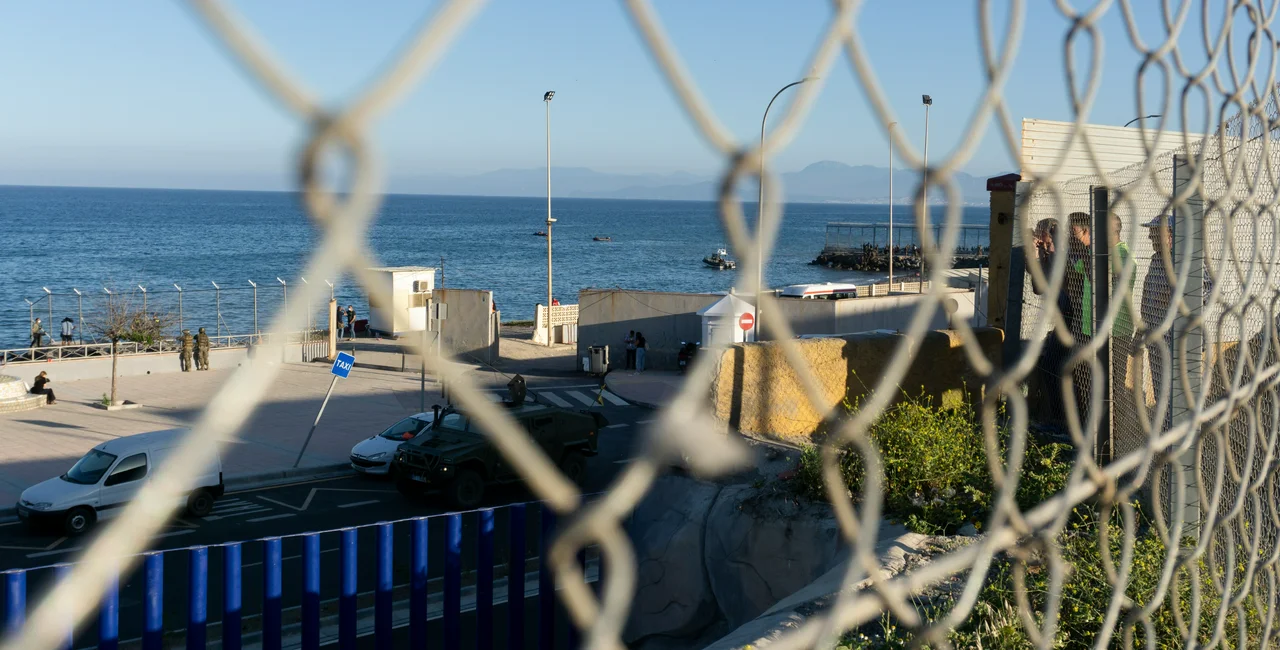

 Summary for: Czechia joins EU migration fray as PM demands Spain’s Schengen exclusion
An influx of tens of thousands of migrants into the Spanish enclave of Ceuta has prompted calls from some European politicians to suspend Spain’s participation in the Schengen Area, reopening a long-running debate over migration, EU borders, and free movement.
Leading demands for Spain’s exclusion is Czech Prime Minister Andrej Babiš, who called the situation a “scandal caused by the Spanish government” and said the Schengen Area should be closed to Spain immediately.
“It is absolutely scandalous that a member of the European Union can pursue a migration policy based on legalizing the stay of illegal migrants at a time when the Union’s approach is the opposite,” Babiš said.
Foreign Minister Petr Macinka described the situation as a serious challenge for the EU and Schengen Area but stopped short of backing Spain’s exclusion, saying the priority should be assessing Spain’s position and addressing the risks of mass migration.
Ceuta crisis reignites Europe’s migration battle
Babiš’s comments followed the arrival of up to 49,000 migrants from Morocco into the Spanish enclave of Ceuta, on Africa’s northern coast. The influx came as Spain moved to regularize the status of migrants already living in the country, a policy Babiš criticized as encouraging further migration.
The crossings have also taken a human toll, with at least 34 migrants reported to have drowned while attempting to reach the enclave by sea. Spanish authorities have deployed additional security forces, while Morocco has increased its border controls to prevent further crossings.
The Spanish government received nearly 1.2 million applications for the regularization program, which was open to migrants who had been living in the country before Jan. 1 and had a clean criminal record. Around two-thirds of applicants came from Central and South America, while about a quarter came from African countries.

Schengen becomes the latest battleground
The situation has pushed migration back to the center of European politics, reviving divisions from the 2015 refugee crisis, when more than 1 million asylum seekers arrived in Europe and Germany’s decision to welcome large numbers of refugees triggered a political backlash.
AFP reported that Spanish Prime Minister Pedro Sánchez has defended a more welcoming migration policy, saying migrants are needed to support Spain’s economy and welfare system as the country faces an aging population, rural depopulation, and labor shortages.

Babiš’s call goes beyond traditional migration policy and challenges one of the EU’s most visible achievements: the Schengen Area, which allows passport-free travel between participating countries.
Any suspension would require action at the EU level rather than a unilateral decision by another member state. Ceuta and another Spanish enclave, Melilla, are also already outside the Schengen Area, meaning border controls apply to people entering Europe from those territories.
European leaders split over the response
Italy has temporarily reintroduced border controls with Spain following the Ceuta crisis, suspending Schengen arrangements for one month. The measure represents a limited return of checks rather than a move to remove Spain from the passport-free zone.

Babiš’s position has not been shared by other Central European leaders. Slovak Prime Minister Robert Fico, who has also long taken a hard line on illegal migration, said Spain should instead receive support in protecting the EU’s external borders.
Fico said excluding Spain from Schengen would not be the right solution and offered Slovak assistance, including police officers and technical equipment, to help Spain manage its border.
SPAIN MUST BE SUPPORTED IN THE FIGHT AGAINST ILLEGAL MIGRATION.
— Robert Fico 🇸🇰 (@RobertFicoSVK) July 31, 2026
I am closely monitoring developments in the migration crisis in the Spanish enclave in Africa on an hourly basis. Today, I also joined the initiative of Italian Prime Minister Giorgia Meloni calling for a strong…
The disagreement reflects a wider divide among European governments over whether migration challenges should be addressed through stronger external border protection or restrictions on movement within the Schengen Area itself.
Czechia’s long relationship with Schengen
Czechia joined the Schengen Area in 2007, ending routine border checks with neighboring countries and becoming part of Europe’s passport-free travel zone.

However, Czechia has previously supported temporary border controls during periods of heightened migration and security concerns.
The country tightened checks during the 2015 migration crisis and again introduced controls at various points in recent years, including on the Slovak border in response to increased migration routes.
What would removing Spain from Schengen mean?
A suspension of Spain’s Schengen membership would not mean Spain leaving the EU, nor would it automatically affect residence rights, visas, or citizenship.
Instead, it would mean a return to routine checks at Spain’s internal EU borders, potentially affecting travel, tourism, and cross-border movement.
Such a move would represent a fundamental change to one of the EU’s central principles and would require broader European agreement.

Babiš’s comments are consistent with ANO’s long-standing criticism of EU migration policy and its opposition to mandatory relocation schemes introduced after the 2015 migration crisis.
The dispute reflects a wider European debate over how to balance open borders with national security concerns, as governments continue to disagree over how migration should be managed.