 Reading time: 2 minutes

 Summary for: Prague's annual transport pass could rise to CZK 5,000 under new plans
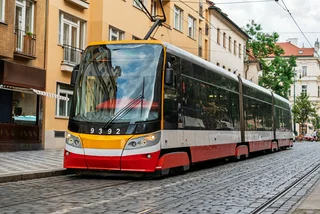
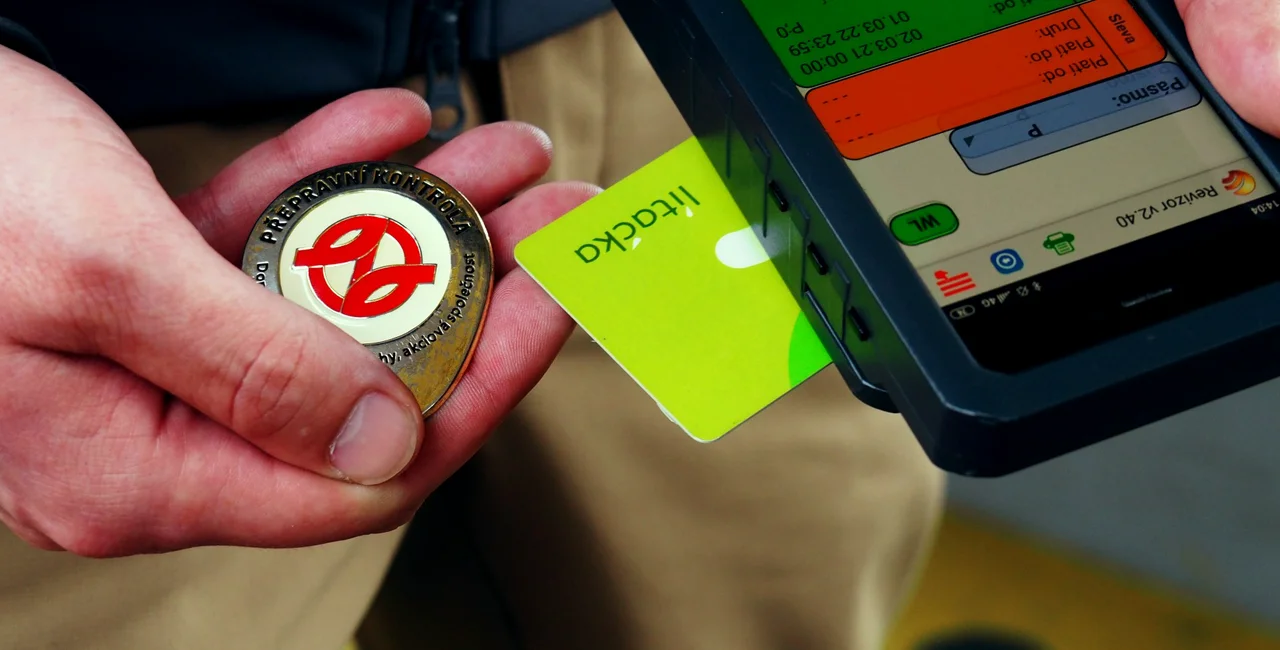
Prague residents could face higher public transport and parking costs under proposals being discussed by the city's prospective new leadership, with annual Lítačka passes potentially rising to CZK 5,000.
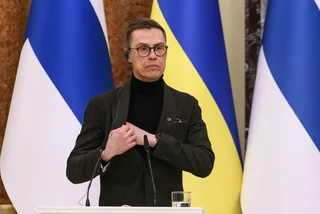
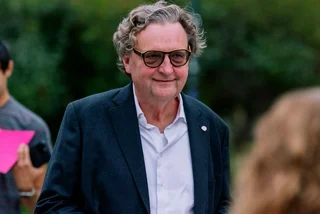
Petr Hlaváček, leader of Prague's STAN party and a candidate for mayor, has outlined plans to increase the cost of the annual public transport pass from its current CZK 3,650, alongside changes to the city's residential parking system.
PARTNER ARTICLE
According to Czech Radio, the proposals form part of ongoing negotiations over Prague's future governing coalition following the municipal elections.
Public transport passes could become significantly more expensive
Under Hlaváček's proposal, the annual Lítačka pass could increase to as much as CZK 5,000, representing a rise of CZK 1,350, or approximately 37 percent.
The current annual fare of CZK 3,650 has remained unchanged since 2015, when Prague reduced the price from CZK 4,750.
Hlaváček argues that higher fares are necessary to maintain the quality of the city's public transport network and support future investment.
In an interview with CNN Prima NEWS, published on October 26, he said the annual pass would not exceed CZK 5,000 and indicated that future prices could be adjusted for inflation.

The proposals have also sparked debate over the affordability of public transport.
In a commentary published by Czech Radio on October 29, political scientist Kateřina Smejkalová questioned whether increasing public transport fares was the right approach, arguing that affordable public services should remain a priority.
Residential parking fees could more than double
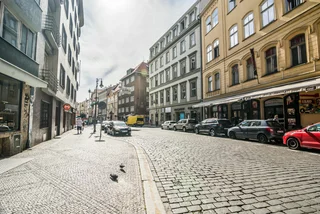
Prague's residential parking system could also undergo significant changes.
Hlaváček has proposed increasing the basic annual residential parking permit from CZK 1,200 to at least CZK 2,400, although the final price remains under discussion.
He has argued that current parking fees do not adequately reflect the value of public space occupied by private vehicles.

The prospective mayor has also suggested introducing parking permits valid across multiple zones, potentially allowing residents to purchase a permit covering the entire city.
Such a system would represent a major change from Prague's existing residential parking arrangements, which generally restrict permits to designated areas.
The proposals come as Prague's political parties continue negotiating the composition and priorities of the next city government.
No final decisions have been made, and the timing of any potential price increases remains uncertain.
For now, Prague residents can continue purchasing annual public transport passes and residential parking permits at existing rates.