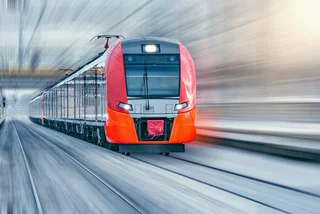
Czechia and Hungary will jointly seek EU funding for high-speed rail development, including a proposed connection between Prague, Brno, Bratislava and Budapest.
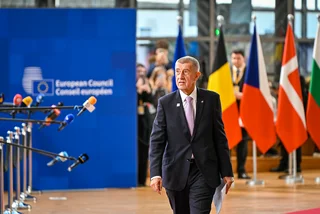
Prime Minister Andrej Babiš announced the plan Thursday following the first joint consultations between the Czech and Hungarian governments in Prague. The countries’ transport ministers signed a cooperation memorandum covering high-speed rail and improvements to existing services.
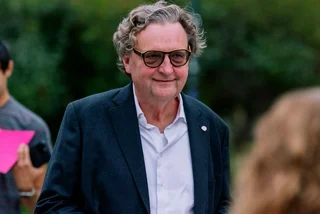
Hungarian Prime Minister Péter Magyar described the railway connection as a long-term undertaking extending beyond 10 years, rather than a service passengers could expect soon.
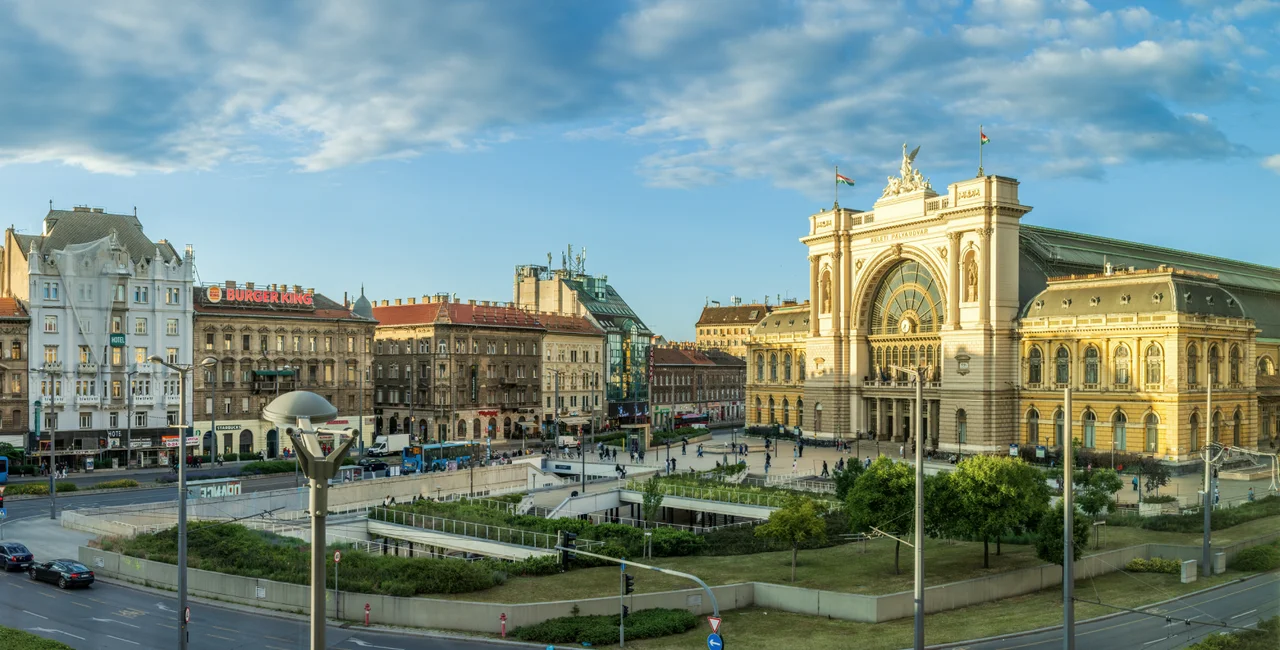
Four capitals and cities on a proposed corridor
Magyar said the time had come to connect Prague, Brno, Bratislava and Budapest by high-speed railway. He also referred to links with Poland and other countries.
“Europe needs concrete projects, and there aren’t many of them,” he said at a news conference at Straka Academy.
Babiš said Central Europe had fallen behind in building high-speed rail infrastructure. Both governments intend to pursue financial support through negotiations over the EU’s next seven-year budget.
Magyar called for substantial funding, referring to tens of billions without specifying a currency. The announcement did not establish a project budget, an opening date or an EU funding award.
For passengers, the proposal sets out a shared ambition to improve connections between the cities. The memorandum also covers work on the railway services already operating.
“We want to coordinate preparations for the lines, improve existing train connections and conditions for rail freight,” Czech Transport Minister Ivan Bednárik wrote on X.
Rail cooperation forms part of wider EU budget talks
Bednárik said modernization of Hungary’s railways could create opportunities for Czech manufacturers of trains, signaling equipment and digital systems. The Czech government would support their involvement, he added.
The transport agreement formed part of broader discussions about cooperation between the two countries and their priorities for the next EU budget.
Magyar said ministers had aligned their positions during the Prague meeting, arguing that a coordinated approach could strengthen their negotiating position. He also discussed cooperation on joint medicine purchasing.
Thursday’s consultations were the first held between the Czech and Hungarian governments in this format. Alongside the prime ministers’ meeting, individual ministers held discussions in their respective policy areas.
Czechia already holds joint cabinet consultations with Slovakia, Poland and Israel. The next Czech-Slovak government meeting is due to take place in Slovakia in less than two weeks.