A praying mantis at 1,350 meters? Czech mountain sightings surprise experts

Public reports have helped Krkonoše National Park document 23 sightings of the warmth-loving insect across the mountains and nearby areas.

Expats.cz Staff

Written by Expats.cz Staff Published on 31.10.2026 05:27:00 (updated on 31.10.2026) Reading time: 2 minutes
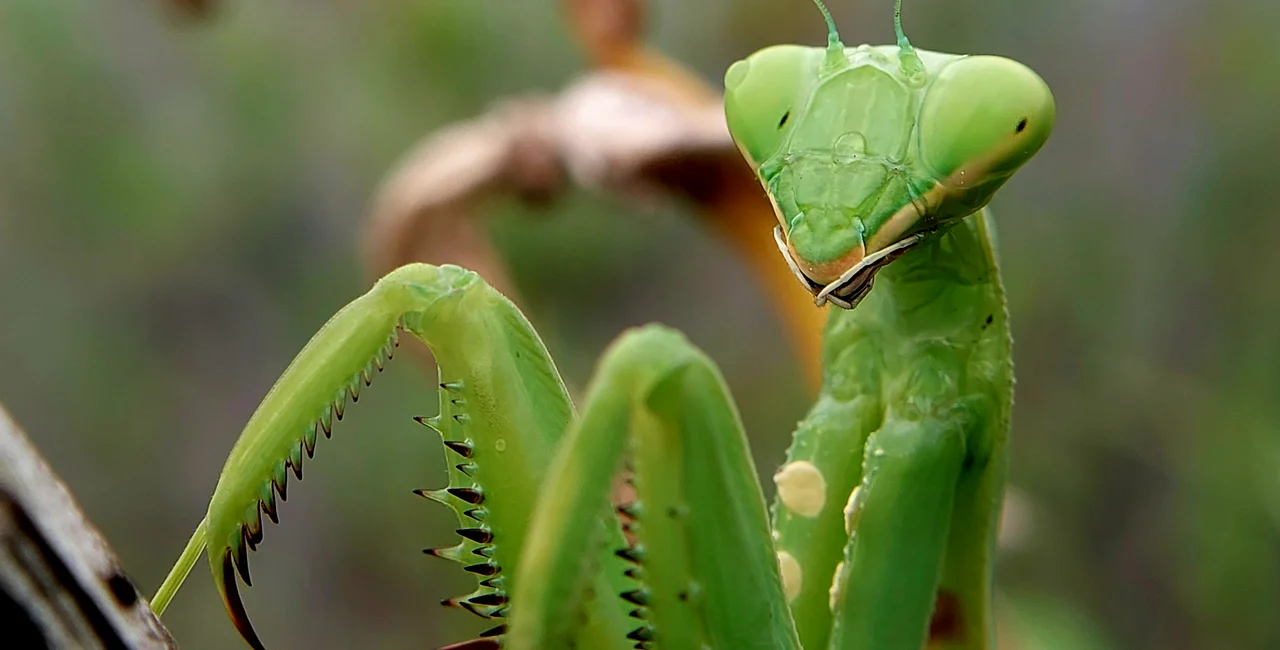
A praying mantis spotted 1,350 meters above sea level in the Krkonoše mountains has surprised national park specialists tracking the insect’s spread into places once considered too cold for it.

The sighting, on the edge of the Labský důl valley, was the highest reported in the mountains this year. Two others came from locations around 950 meters, well above the lower elevations where most observations were recorded.

In total, Krkonoše National Park authorities documented 23 sightings across the mountain range and its surroundings after asking the public for help. But they caution that finding an individual mantis does not establish that a permanent population can survive there.

A warmth-loving insect reaches mountain terrain

The European praying mantis was once associated in Czechia primarily with South Moravia. Around the turn of the millennium, it began spreading into warmer parts of Bohemia, and scientists link its expanding range to climate change.

Over the past decade, it has appeared in areas where researchers previously did not expect to find it.

The Krkonoše National Park administration recorded its first wild mantis in the mountains in 2019: a female found in a meadow above Bolkov, near Rudník, at an elevation of 680 meters.

This year’s Labský důl observation was almost twice as high.

Park spokesman Radek Drahný said the mountain conditions at 1,350 meters are normally unfavorable for warmth-loving species. He suggested the unusually warm summer had probably allowed the insect to develop into an adult.

That does not mean it reproduces permanently at the site or that a stable population has formed, he stressed.

The other sightings above 900 meters came from near Lysečinská bouda in the eastern mountains and Karlov above Pec pod Sněžkou.

Public sightings help fill in the map

The park’s appeal a month ago generated several hundred reports, exceeding expectations.

Most came from outside the Krkonoše, but the 23 relevant observations covered locations across the mountains and nearby areas. Most were in lower and middle elevations of the park’s buffer zone.

A mantis was also reported in the upper part of Rokytnice nad Jizerou. No observations were recorded in the central area north of Vrchlabí, including Špindlerův Mlýn.

How the insects reach higher ground remains another question.

Park zoologist Jan Materna said young mantises can inadvertently travel with people, hiding in cars, luggage or transported belongings.

Wind is another possibility. Strong air currents, including those associated with thunderstorms, can carry small organisms considerable distances beyond their usual range.

The sightings therefore reflect several possible processes, rather than proof that mantises are steadily climbing the mountains under their own power.

Park specialists place the observations within wider changes in the Krkonoše landscape, including shifts in the upper tree line and the appearance of ticks at higher elevations. Continued monitoring will help establish whether the mantis remains an occasional mountain visitor or becomes a more regular presence.

Did you like this article?

Czechia’s latest news

Read all the headlines
Want to see more from us? Select Expats.cz as a preferred source on Google.