 Reading time: 3 minutes

 Summary for: In Czechia, medical spas take a supportive role in urological care
A mineral bath might seem like an unlikely place to address kidney stones, urinary tract infections, or recovery after surgery. But in Central Europe, medical spas have been combining natural therapeutic resources with physician-led treatment programs to support people managing these conditions for centuries.
Rather than replacing conventional treatment, these targeted therapies combine medical assessment, rehabilitation, and natural therapeutic resources as part of a complementary approach to urological care. To learn how they work in practice, we spoke with Dr. Pavel Knára, Emeritus Head Physician at Ensana’s Nové Lázně hotel.

Matching treatments to each condition
Urological conditions often require different approaches depending on the diagnosis. At Ensana’s five-star medical spa in Mariánské Lázně, treatment begins with a physician’s assessment before guests receive a personalized program based on their condition.
“At Ensana’s hotels in Mariánské Lázně, we treat all types of kidney stones, conditions after kidney and urinary tract surgeries, inflammatory diseases of the kidneys and urinary tract, including cystitis and prostatitis. We have also recently begun working with patients with a transplanted kidney and kidney donors,” says Knára.

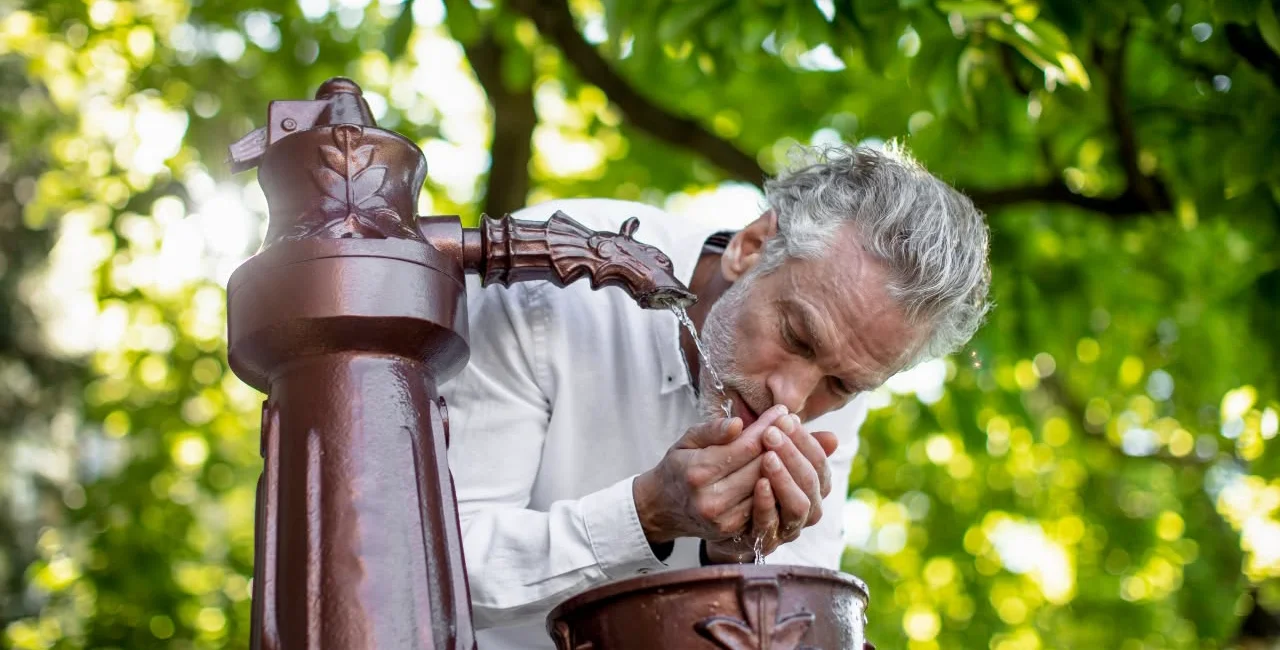
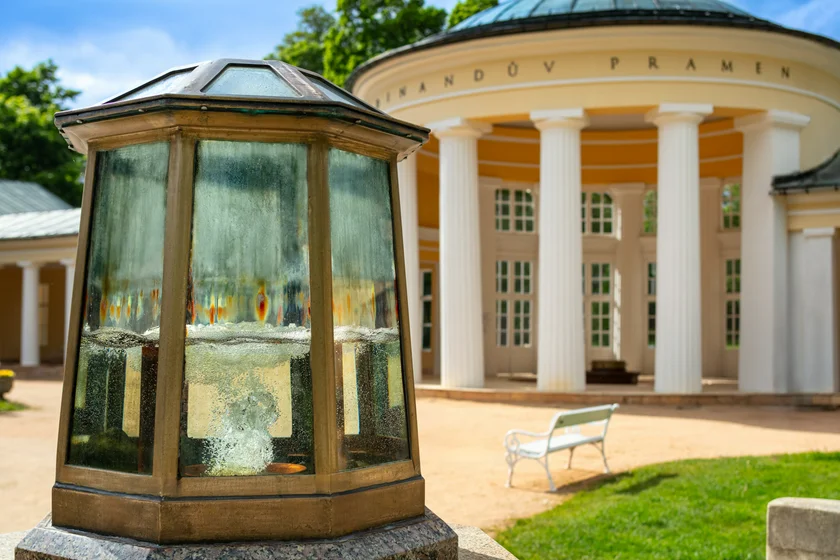
Mariánské Lázně has a long tradition of using mineral springs as part of physician-led spa care. The town’s springs have different mineral compositions, allowing doctors to select drinking cures according to a patient’s diagnosis.
One of the Czech spa town’s defining features is its natural mineral springs, each traditionally recommended for specific urological conditions. According to Knára, Rudolf’s Spring is used for urinary tract infections, while Karolina’s Spring, Ambrož’s Spring, and Lesní Spring are selected according to the type of kidney stone being treated.
“This in itself is a complex process and the guest must know what mineral water to drink based on the doctor’s recommendation,” Knára adds.
Treatment extends beyond drinking cures. For kidney stones, physicians may prescribe carbon dioxide baths as part of an individualized treatment program. Patients with inflammatory conditions such as cystitis or prostatitis, meanwhile, often receive warming therapies, including peat wraps and peat baths, which Knára says may help ease muscle tension and discomfort.




Recovery continues after the spa stay
One of the biggest challenges with kidney stones is that they can return. According to the European Association of Urology, about one in four people who experience a kidney stone will develop another within five years. This is why long-term prevention, including adequate hydration and lifestyle changes, is an important part of treatment.
“The client receives a recommendation from the doctor during the final examination,” says Knára.
For patients with kidney stones, that guidance centers on hydration. Knára says patients are advised to drink enough fluids to maintain an adequate daily urine output, based on the individual target set by their doctor.
For people prone to bladder or prostate infections, staying hydrated and avoiding exposure to cold can also help reduce discomfort, according to Knára. He says simple measures, including applying gentle warmth when symptoms flare up, can complement a physician’s treatment plan at home.
These measures may help ease discomfort, but symptoms of a urinary tract or kidney infection still require appropriate medical assessment and treatment.

While a medical spa is not a substitute for conventional urological care, physician-led programs can play a valuable supporting role. For people managing recurring kidney stones, chronic urinary conditions, or recovery after surgery, a medical spa stay can provide structured support under a physician’s supervision.
By combining individualized treatments with practical guidance for life at home, these programs aim to extend recovery beyond the stay itself.