 Reading time: 2 minutes

 Summary for: From metro signs to movie posters, Czech design gets a Brussels showcase
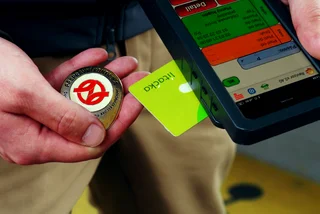
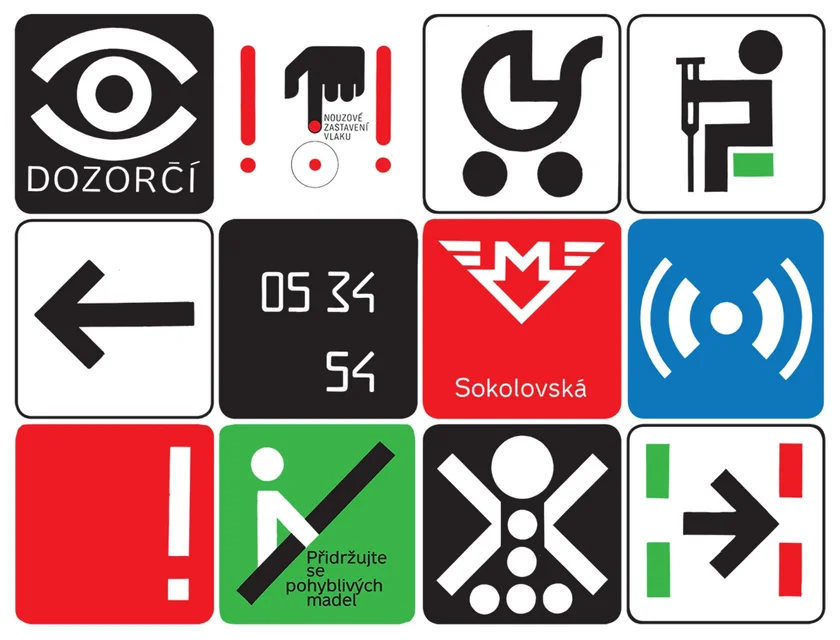
Prague’s illuminated metro signs might seem an unlikely museum exhibit. In Brussels, they join film posters, books and typefaces in a show exploring how graphic design has shaped Czech life—and how political upheaval has shaped the designs.
Identita — The Story of Czech Graphic Design opened at Design Museum Brussels on Oct. 16 and runs through March 7, 2027. Across 400 square meters, it traces a visual history extending from the search for Czechoslovakia’s national identity to the changes after 1989.
Brussels is a particularly fitting host. The success of Czechoslovakia’s pavilion at Expo 58 helped give modern design greater acceptance back home, opening space for ideas that challenged the communist regime’s preferred aesthetic.
The designs people live with
Curators Filip Blažek and Linda Kudrnovská want visitors to recognize a distinctive Czech visual tradition alongside those of countries more readily associated with graphic design, such as Switzerland and the Netherlands.
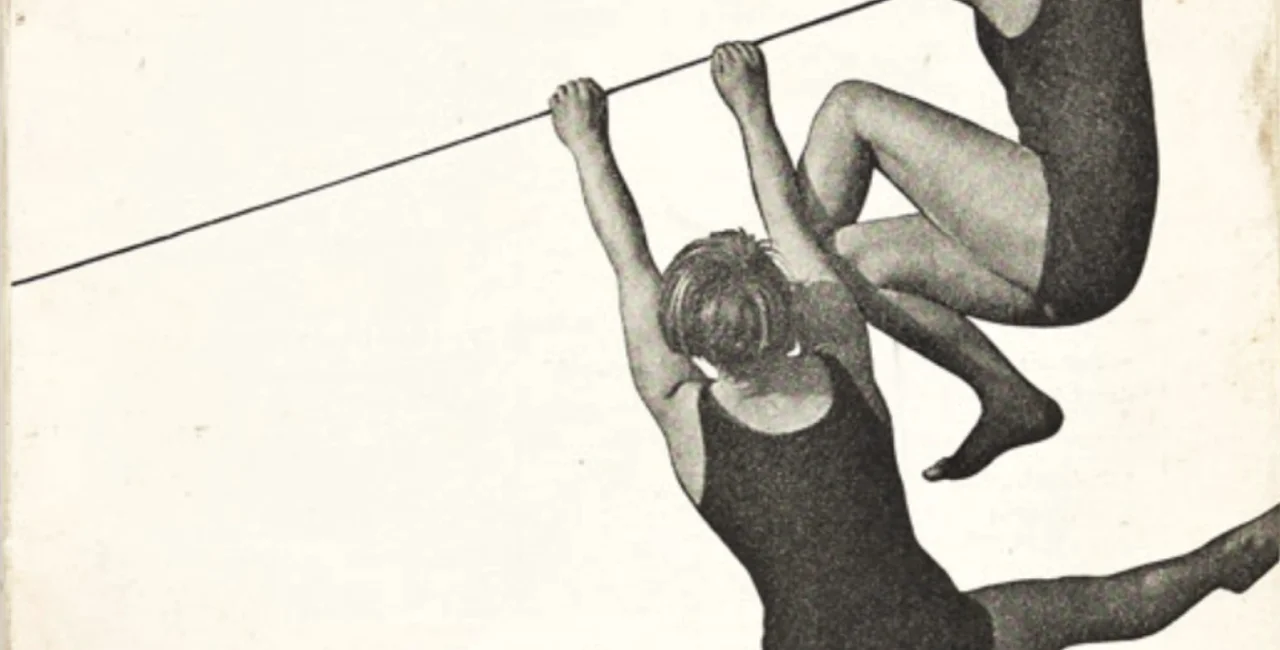
The exhibition brings together work encountered in everyday settings: transport signs, film advertising, book design and lettering. It also examines state symbols, including the development of the Czechoslovak flag.
“We wanted to show that even a country that is not considered to have a deep design tradition has its own unique visual voice,” Blažek told ČTK.
The Brussels presentation is substantially expanded from the standard touring version. Audiovisual installations, exhibits visitors can touch and a creative area for adults and children supplement the displays.

A new projection, The Female Graphic Voice, introduces Czech women designers through their work and professional experiences. Exhibition texts in English, French and Dutch place the material within a wider European historical context.
The project previously appeared at Prague’s Museum Kampa and also encompasses a television series, documentary feature and accompanying book.
Why Brussels changed what came next
The exhibition’s historical argument extends beyond changing fashions.
Kudrnovská said the works demonstrate how democracy and open borders affect designers’ opportunities. Political conditions could restrict contact with international developments and determine what publishers or institutions were willing to commission.
Expo 58 created an opening. According to Blažek, the international success of Czechoslovak design gave publishers a reason to accept approaches they might previously have rejected on ideological grounds.

Modern work celebrated in Brussels could return home with new legitimacy. Kudrnovská described the exhibition as bringing fresh air into design, making a complete return to socialist realism difficult.
The current show is also a collaboration with the host museum, rather than simply a Czech exhibition installed abroad. Czech Centre Brussels director Kristýna Halounová highlighted the institution’s decision to devote substantial space to the project.
An accompanying documentary screening on Nov. 15 follows Czech-American collector Nicholas Lowry as he explores the country’s graphic identity, from industrial heritage to beer labels and tourist signs.
Design Museum Brussels is at Place de la Belgique 20 and lists daily opening hours of 11 a.m. to 7 p.m. Further educational and creative activities are planned with Czech Centre Brussels during the exhibition’s run.