



 Reading time: 3 minutes

 Summary for: Czech news in brief for August 24: Monday's top afternoon headlines
 Babiš in favor of Western Balkans' EU accession
Good afternoon, a couple of news from the halls of Czech politics as the Prime Minister makes the case for the Western Balkans' EU aspirations, and tripartite talks lead to a big minimum wage hike from 2027. Meanwhile, new data shows that cars circulating on Czech roads are among the oldest in Europe. Here are today's top headlines.
This afternoon's top story
Babiš in favor of Western Balkans' EU accession
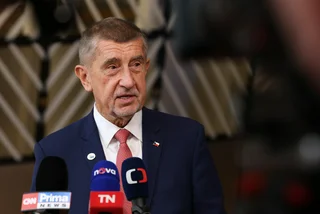
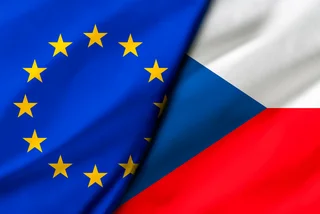
Czechia supports the rapid expansion of the European Union to include Western Balkans states, Prime Minister Andrej Babiš said earlier today at the annual August gathering of Czech ambassadors. "I firmly hope that Montenegro will finally become the 28th member of the EU in 2028," Babiš added, also arguing that several countries from the Western Balkans, like Serbia, should have already joined the Schengen zone long ago.
New members? Although nothing is set in stone in the notoriously complex membership process, Albania is generally seen as the second in line to potentially join the EU after Montenegro, ahead of the more arduous cases of North Macedonia, Kosovo, Bosnia and Herzegovina and Serbia.
More top headlines
Czech minimum wage to increase to CZK 24,900
We started reporting on it this morning, but it's now officially confirmed. Tripartite negotiations between members of the government, employers associations and labor unions have agreed to raise the monthly minimum wage to CZK 24,900, a CZK 2,500 increase, from January 2027. This amount should correspondent to approximately 44.6 percent of the average Czech salary.

An annual grind. The minimum wage is raised virtually every year after difficult negotiations between government officials, members of employers' union and representatives of employees' unions. Highlighting that Czechia now has one of the lowest minimum wages in Europe - including lower than neighboring Poland - trade unions have long been calling for a new formula to make sure the lowest earnings can still keep up with inflation rates.

Cars in Czechia are second oldest in Europe
With an average age of 16.76 years, the entire fleet of cars in the Czech Republic is the second oldest in Europe, topped only by Greece where passenger vehicles are 17.5 years old on average, and slightly ahead of Romania and Estonia (15.4 years old). Meanwhile, the number of passenger cars on Czech roads continued to increase in 2026 to reach nearly 7 million in the first half of the year.
Ageism on Czech roads. This is according to the latest data released by the Czech Association of Automobile Importers (SDA), who notes that the seniority of the Czech car automobile fleet would have been even steeper if it weren't for corporate cars - who tend to be renewed more frequently with newer models.

Residential building caught fire in Chodov
A residential building caught fire in Prague's Chodov district last night, with firefighters quickly responding to the incident and evacuating eight people from the apartments located on Nechvílova street. No one was seriously injured, and one person was transported to the hospital after inhaling smoke.

Ve 2. poplachovém stupni 🚨 zasahujeme u požáru jádra bytu v ulici NechvÃlova na ChodovÄ›. Z domu bylo zachránÄ›no 5 osob pÅ™edaných do péÄe @zzshmp a 8 osob bylo evakuováno. pic.twitter.com/Duozv9FySQ
— HasiÄi Praha 🚒 (@HasiciPraha) August 23, 2026
Game, set and match
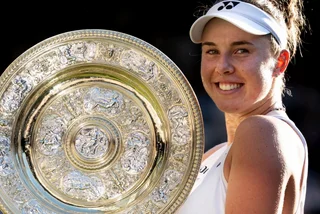
Tennis: Nosková up to 6th place in world rankings
Czech tennis prodigy Linda Nosková moved up to her best-ever WTA ranking, reaching 6th place worldwide, just one spot ahead of compatriot Karolína Muchová. Five other Czech female players are currently ranked in the world's top 50 - an outsized weight at the top of world tennis compared to the country's relatively small size.
Excellence, excellence. With seven players in the world's best 50 female players, Czechia is second only to the United States (eight players), even exceeding far larger female tennis powerhouses such as Russia, Ukraine or Poland.

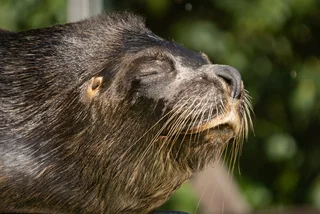
DAILY POLL RESULTS: The tragic death of a sea lion after swallowing a child's toy at the Liberec Zoo over the weekend has shocked and angered many. More than 90 percent of respondents to our daily poll are calling for tougher penalties for visitors who put animals at risk, and an additional 6 percent say better education, rather than fines, should be prioritized.