 Reading time: 2 minutes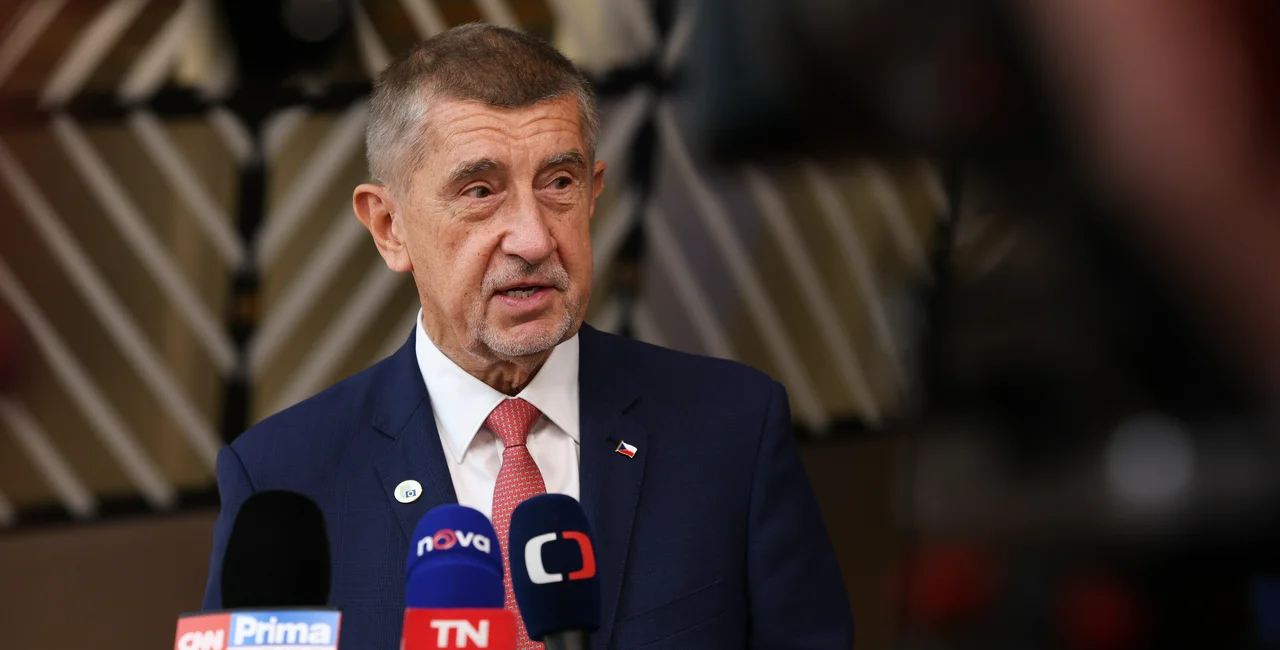

 Summary for: PM Babiš claims future wave of ‘migrants from Western Europe’ could come to Czechia
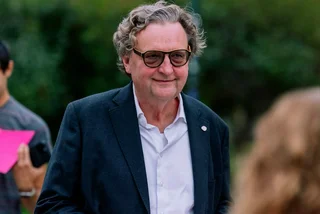
Talking to reporters on the second day of the EU summit in Brussels, Czech Prime Minister Andrej Babiš criticized the immigration policy of Western European countries and described their approach to migration as a potential future security risk for the Czech Republic.
“We may have to defend our border someday to keep migrants from Western countries from coming to us if things continue like this,” Babiš claimed. “And we are of course preparing for that.”
Keeping in line with his past inflammatory rhetoric, the Czech PM had harsh words for the immigration policy of countries like Germany, Sweden and the Netherlands, which he described as too lax and permissive.
He also attacked Spain, saying that the current government in Madrid was prioritizing migrants over the Spanish population in a bid to stay in power.
Asked about whether Czechia would join plans to set up detention centers outside of the EU, Babiš said European countries should send “a clear signal” and “fight against smugglers, lock them up, take money from the non-profit organizations that facilitate it, sink empty ships.”
The second day of the EU summit of heads of state and government kicked off with a slight delay this morning. Top of the agenda are the war in Ukraine and Russia’s hybrid attacks against EU and NATO states, migration, defense and the situation in the Middle East.
President Volodymyr Zelensky is also attending the EU summit in person against the backdrop of worsening relations between Ukraine and the United States – and hopes that European countries can fill the gap should Washington decide to roll back support for Kyiv.

Babiš’s comments on Friday echoed controversial statements he made less than a week ago with his right-hand man and Trade and Industry Minister Karel Havlíček.
Flaunting a German newspaper article accusing the German Left of being complacent with “terrorists”, he asked rhetorically: “Karel, what does that mean? That in the future we will need to have an army on our border with Germany. Because if they [migrants] find out that things are better here [in Czechia], and that will happen, then they might try to come to us, and we will not allow them to do so.”
Taking another swing at some Western and Northern European countries, he continued: “I am convinced that it is too late for some of these countries.”
On a related migration topic, the Czech government confirmed just a few days ago that it was planning to increase the legal quotas for foreign guest workers from selected countries – including from the Philippines – to address growing labor shortages within key sectors of the economy.