




 Reading time: 4 minutes

 Summary for: SUVs and combustion engines: What expats should know about Czechia’s car market
Many expats quickly discover that buying a car in the Czech Republic works a bit differently than in other European countries. Local preferences guide what fills showrooms and resale listings, from the engine types to the features they expect, and these patterns remain strong even as the global market shifts toward electric and digital technologies.
So, what makes Czech drivers choose differently, and how does that shape the automobile market for newcomers? Expats.cz spoke with Marcel Archleb, the Head of Audi at Porsche Czech Republic, to explore why Czech drivers are in a lane of their own, steering the expat car-buying experience in new directions.
Czech driver preferences shape expat choices
Many foreigners expect Czechia to uphold the same love of compact cars found across Europe, but local preferences say otherwise. “SUVs with extensive optional equipment are still the top choice, unlike in Germany or France, where drivers choose smaller engines and simpler configurations,” Archleb explains.
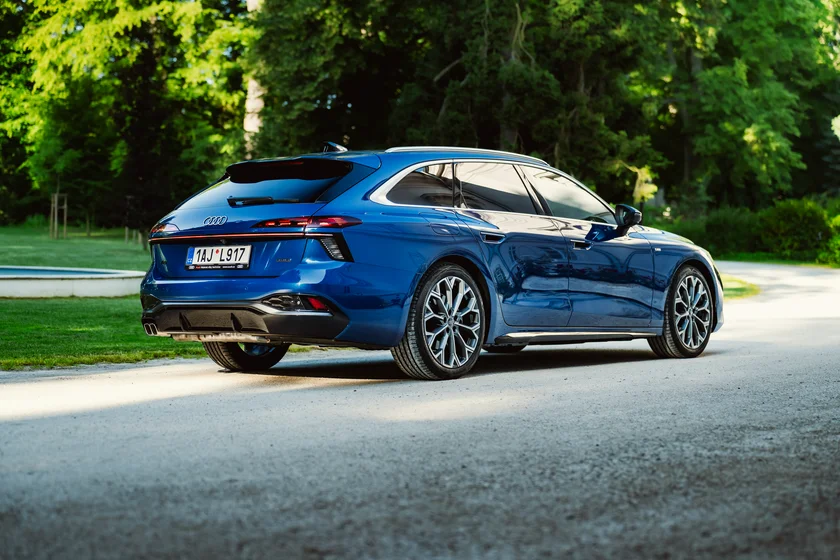

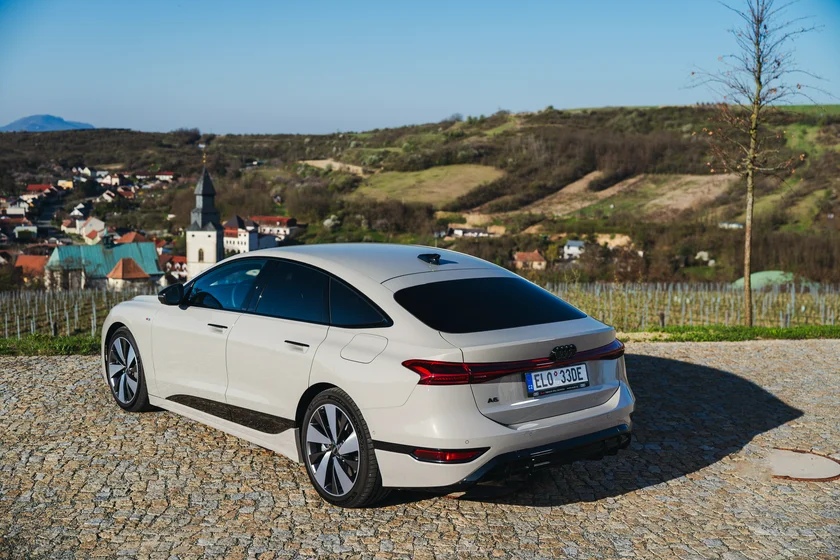
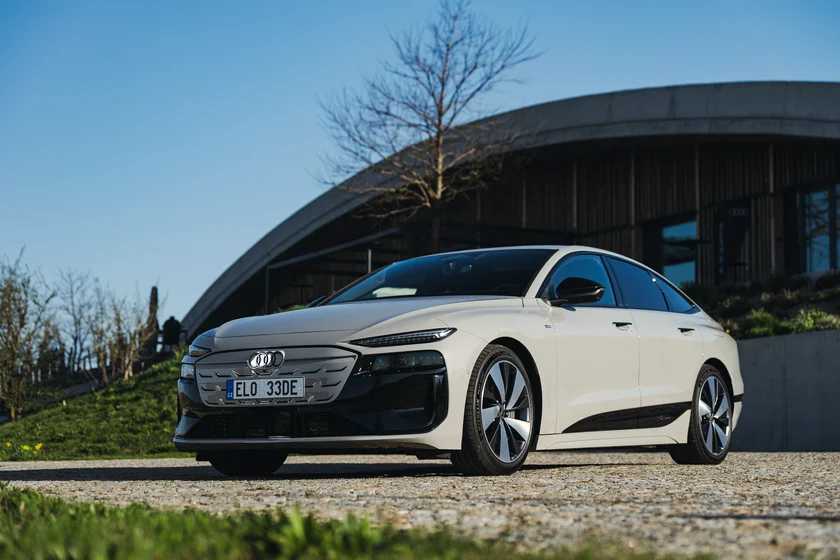
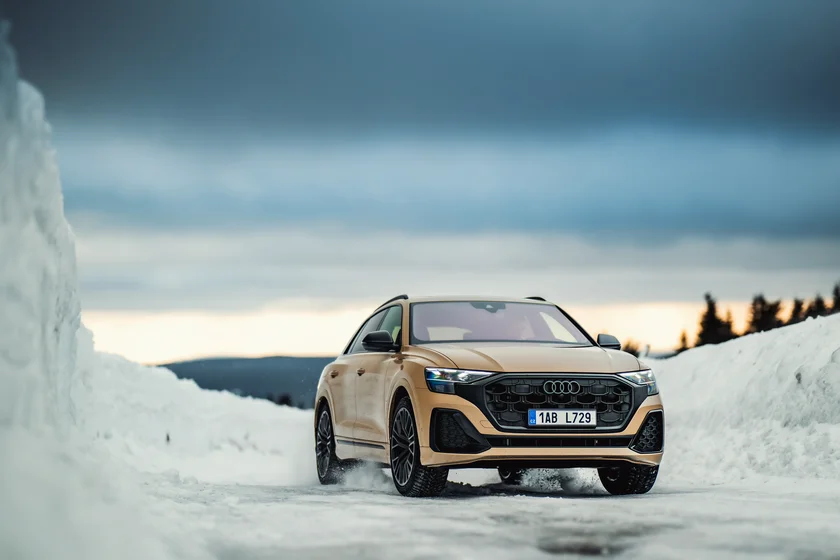
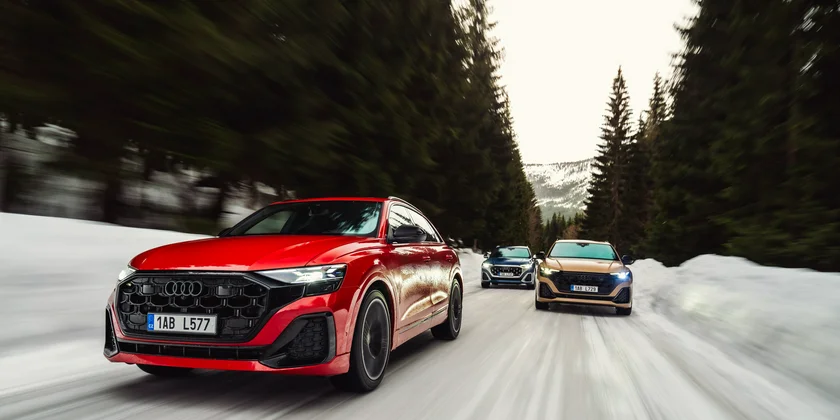
This preference also aligns with how people in Czechia travel. Families often rely on their cars for weekend trips, cross-country drives, and holiday travel, which makes cargo space and interior comfort more important than in markets where short-haul flights or trains are more common.
Practical needs play a major role,” Archleb emphasizes. “Trunk capacity and rear-seat space matter more to Czech customers than limousine-type styling, with wagons and SUVs better suited to their everyday expectations than sedans.”
Expats browsing listings will quickly notice this. SUVs also dominate the second-hand market, with popular extras including tow hitches, heated seats, and driver-assistance systems. For buyers accustomed to minimal-option configurations, the range of available extras may feel surprisingly broad.
Combustion remains king in Czechia
Despite the European Union’s forthcoming ban on the sale of new combustion engine vehicles, petrol and diesel cars remain dominant in the Czech Republic. Czechia recently ranked 19th out of 24 European countries for the uptake of plug-in hybrids and electric vehicles, which accounted for less than 7 percent of new car registrations in 2024. This figure compares poorly with almost 12 percent in Hungary, over 20 percent in Germany, and 24 percent in Austria.
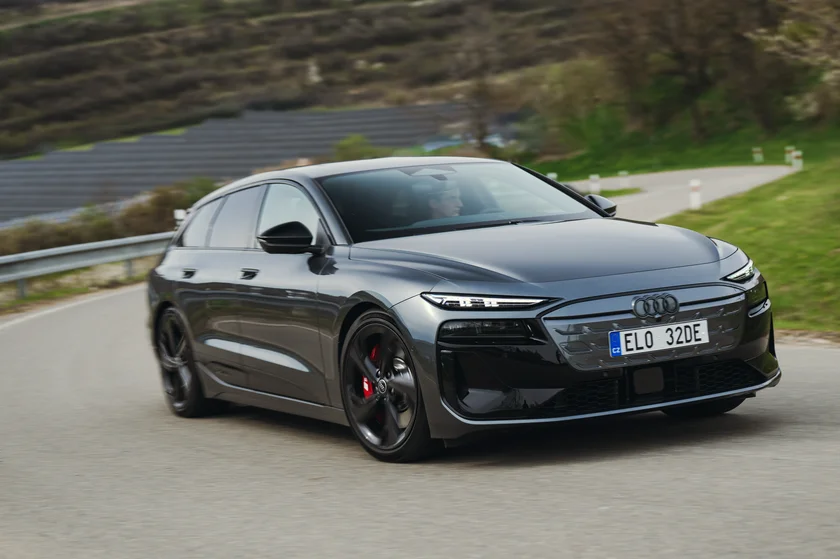
For newcomers used to stronger EV adoption at home, this lower uptake often translates into limited charging options outside major cities and fewer electric models available for test drives or company car programs.
Such an old-fashioned approach seems surprising for an automotive powerhouse of a nation whose people are crazy about cars. Yet Archleb points out a practical root cause of the slow shift to electric. “Czech drivers gravitate toward stronger combustion engines in the premium segment because the market does not offer financial incentives for low-emission models,” he explains.
Such incentives are needed to support both individual motorists and companies, which account for a significant proportion of new car registrations. In Scandinavia, where uptake of electric vehicles is highest, drivers and firms are incentivized to “go electric” through various tax breaks and subsidies, while combustion engine vehicles are heavily disincentivized.
As a result, for expats arriving from countries with these supports, the absence of comparable benefits can make low-emission cars notably costlier.
Czechia’s slow shift toward electromobility
Domestic brands have shaped local buying habits for years. “Škoda holds a unique place in the Czech market, accounting for roughly one-third of total sales,” Archleb says. “This influences how companies structure their car policies, though interest in wider BEV and PHEV options has increased as more manufacturers expand their Czech portfolios.”
Such strong influence from long-established domestic models is unusual compared to other EU markets, Archleb points out.
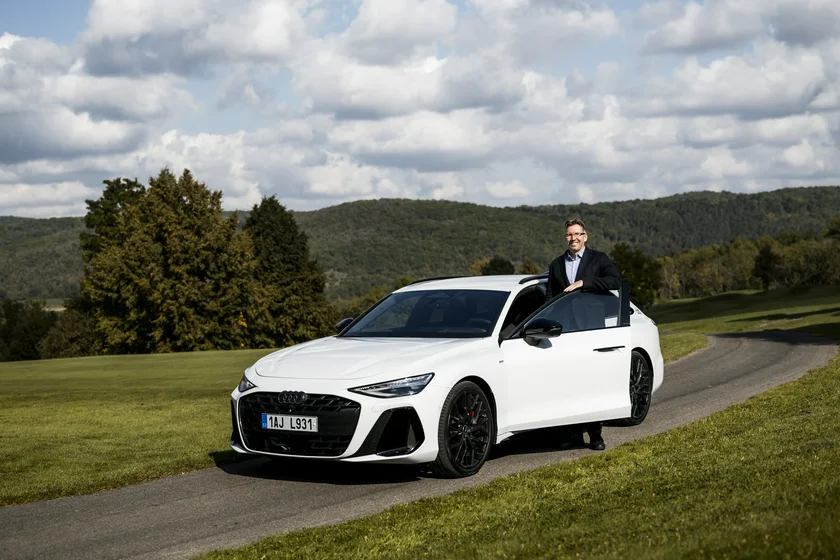
Conservative buying habits may slow the pace of electromobility, even as a broader mix of BEV and PHEV models enters the Czech market. A recent poll found that drivers continue to focus on the potential drawbacks, with only 4 percent interested in having a fully electric vehicle as their next car, compared to an EU average of 13 percent. 60 percent worry about long-range holiday travel, and 29 percent cite higher prices as a deterrent.
BEV and PHEV sales have grown over the past few years, but still sit at around 10 percent of the market, so there is significant room for expansion,” Archleb says. “Czech buyers take a rational approach above all. They want proven technology and clear cost benefits before making the switch to a low-emission powertrain.”
Expats planning frequent cross-border travel often find this especially relevant. Charging options along popular holiday routes can be inconsistent, and long-distance planning requires more attention than in parts of Europe with denser networks.
Navigating change in Czechia
Czechia isn’t exactly in pole position when it comes to the switch to electric, but change is underway. Archleb maintains that “infrastructure remains the key factor” in the switch to electric, with 7,000 public electric car charging stations dotted across Czechia.
“New technologies are developing steadily as their cost-effectiveness improves, and service points are essential, but expanding charging networks will determine how quickly the low-emission segment grows,” he says, noting that Audi adapts its lineup as local demand evolves.
Digitization, meanwhile, is opening up new ways of buying, owning and driving—from the use of online showrooms such as Audi’s for selecting vehicles, to growing trends in car usage, such as carsharing and usage-based models of ownership which “will grow as new vehicle technologies mature,” Archleb predicts.
These tools have become useful for expats navigating the market in English. For expats, infrastructure, cost, and availability remain the main considerations when choosing a car, and understanding these local patterns helps them find a model that suits their daily needs.
To find out more about how car makers such as Audi are driving forward innovation in Czechia, head to their online showroom and book your test drive today.