 Reading time: 2 minutes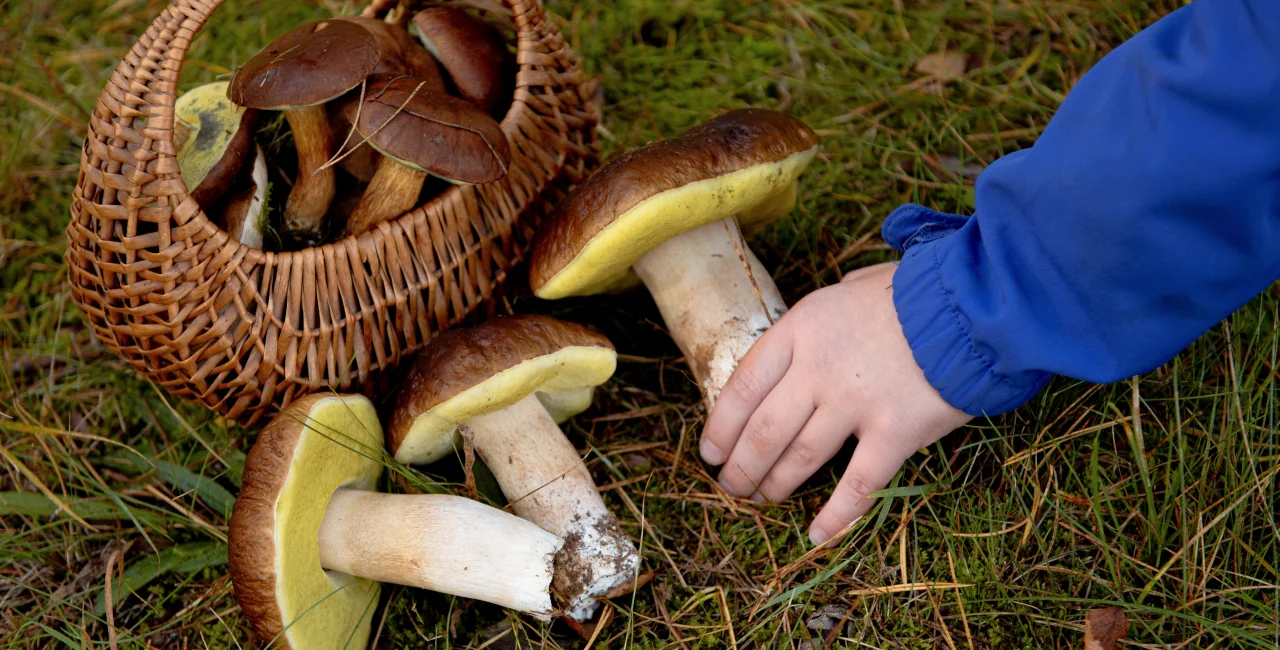

 Summary for: Czech drought dampens mushroom season, but autumn could still bring a revival
Drought has dampened Czechia’s mushroom season, with experts in Vysočina describing this year as their weakest in years and reporting that many fungi normally abundant in autumn are missing from the forests.
The shortage nearly forced Jihlava’s mycological club to cancel its traditional exhibition of fresh mushrooms. Around 10 collectors traveled across a wide area, including toward Tábor in South Bohemia, to assemble specimens of almost 300 species.
Their experience follows warnings about poor conditions elsewhere in Czechia during the summer. The season has nevertheless varied by location, and experts say sufficient rain could still produce a late flush.
Dry forests frustrate collectors
“This was the first exhibition where we hesitated over whether to hold it,” Kateřina Pauzarová of the Jihlava Mycological Club told Czech News Agency. She attributed the difficulty to severe drought, particularly in Vysočina.
The region’s poor season began in spring. A brief appearance of some familiar edible mushrooms around late May and early June quickly ended, she said. Some boletes, slippery jacks and parasol mushrooms can still be found locally, but many typical autumn groups remain scarce.
The problem extends beyond the region. In August, mycologist Jan Borovička of the Czech Mycological Society described the season as one of the worst in recent years, ČT24 reported. Even places that had received more rain offered only limited finds. That assessment concerned summer conditions, rather than a final verdict on the whole year.
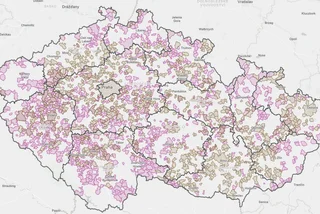
Dry weather has persisted into October. For mushrooms, moisture accumulated over time matters. The Czech Hydrometeorological Institute’s mushroom-growth model combines rainfall over the previous 30 days with recent temperatures and seasonal factors.

The institute says growth generally strengthens around 10 days after substantial rain, followed by warm rather than hot weather. Its map estimates favorable conditions, particularly for fleshy mushrooms associated with tree roots; it does not guarantee a full basket.
The season is not over, but pick carefully
Pauzarová said rain could still encourage growth and that the first light morning frosts need not end the season. Conditions may differ even within one forest, with exposed edges colder than deeper woodland.

She warned against collecting frost-damaged mushrooms, which may look intact while deteriorating inside. Poor storage is another avoidable problem: edible mushrooms can spoil when left in plastic bags.
Scarcity also creates an identification risk. When mushrooms are hard to find, collectors may be tempted to take unfamiliar specimens, Pauzarová said. The Jihlava exhibition includes poisonous species alongside edible ones to help visitors recognize the differences.
Drought has made this year's mushroom season one of the worst in recent years in parts of Czechia. Do you go mushroom picking in Czech forests?

For newcomers to Czech mushroom picking, an expert consultation offers a useful introduction. The Muzeum Vysočiny Jihlava exhibition runs through Oct. 10 with a free identification service. The region also advertises a Monday mushroom consultation at the museum from 4 p.m. to 5 p.m. throughout October.
Before heading out, check ČHMÚ’s mushroom-growth map and collect only species you can confidently identify. If poisoning is suspected, contact the Toxicological Information Center immediately at 224 919 293 or 224 915 402 for instructions.