Reading time: 2 minutes

 Summary for: Beyond beer: Plzeň’s spirits factory expands as German production moves in
Plzeň may be best known internationally for its beer, but its largest spirits factory is taking on a bigger role in supplying European drinkers.
Stock Plzeň–Božkov produced 37.8 million liters of drinks in the fiscal year ending in September, up 24 percent year over year following the transfer of seven products from a sister facility in Hamburg.
The expansion brought 48 new jobs and helped exports account for half of production, primarily destined for Slovakia and Germany. It comes as the company adapts to a Czech market where consumers are drinking less alcohol and showing greater interest in lower-strength drinks.
More production, rather than more Czech drinking
The increase does not reflect a sudden surge in domestic demand. Without the German production transfer, which took place between February and August, output would have remained unchanged, production director Josef Bergl said.

For the current fiscal year, Stock expects production to rise by approximately another quarter to 47.5 million liters, with exports exceeding half of output. The Plzeň facility has an annual capacity of around 70 million liters.
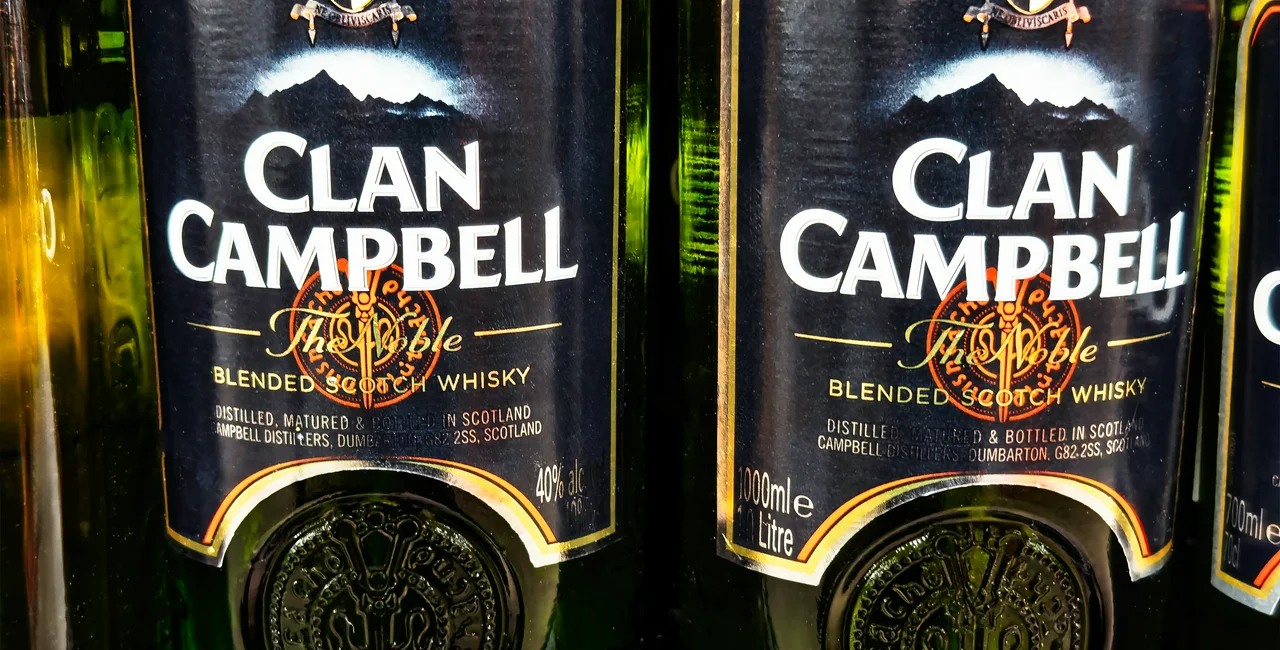
Božkov remained the strongest-selling product range, at approximately 11 million liters, followed by Clan Campbell whisky at nearly 10 million liters. Herbal liqueurs and vodka also attracted demand.
The transfer required additional staff: 35 of the 48 new employees joined production, with the remainder taking office roles. Human resources director Kateřina Řezňáková said head count increased by almost 30 percent over 12 months.

Main production lines operate continuously for nine months of the year, with the plant using three- and four-shift schedules.
Canned cocktails reflect changing tastes
Alongside the expansion, Stock is investing in ready-to-drink products: premixed drinks sold in cans, including versions with 4.5 percent alcohol.
The company reported production of approximately 2.4 million liters in the completed year and expects that to reach 2.7 million liters in the current one. It has invested tens of millions of crowns in expanded capacity and technology.

CEO Romana Jourdren said younger consumers increasingly favor lower-alcohol products, sweeter flavors and higher-quality drinks.
Lower overall alcohol consumption does not mean the market has stopped developing, she said, pointing to interest in new flavors and convenient packaging.

Recent additions include Fernet Lime, mango and raspberry versions of Božkov Republica, and Limoncé Aperitivo, marking the company’s entry into aperitifs. It is also introducing a Božkov product intended for baking.
Jourdren attributed pressure on the Czech spirits market to both changing consumer habits and repeated increases in excise duty.
For the Plzeň factory, expanding production for overseas markets is providing growth even as its established domestic business faces a more restrained drinking culture.