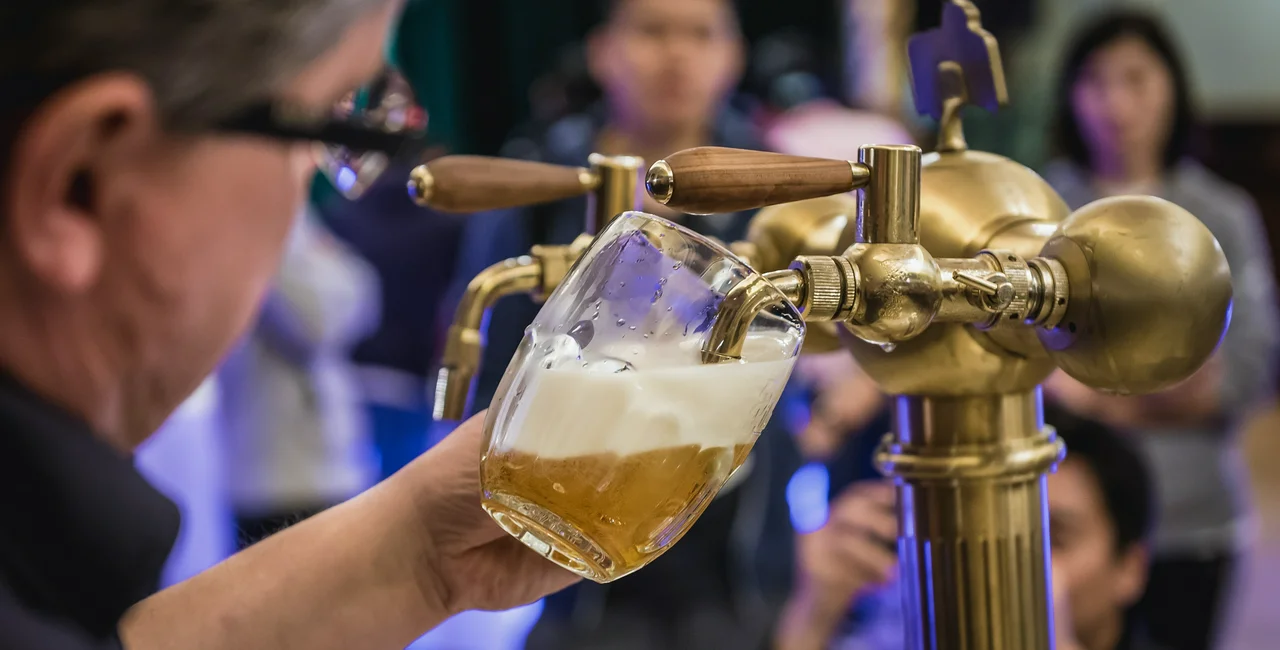
Czech beer may be famous around the world, but the ingredients behind the country's iconic lagers are coming under growing pressure from hot, dry weather.
This year's drought has affected both hops and malting barley, two essential ingredients in Czech beer production. Farmers, malt producers, and brewing researchers are reporting problems with crop quality as breweries begin processing the latest harvest.
While experts insist there is no immediate threat to beer production or quality, another exceptionally hot summer could make the situation more difficult.
A difficult year for Czech hops
An October industry report from Hops Connect confirms that the Saaz variety, central to traditional Czech lagers, was particularly hard hit, with yields approximately 23 percent below the long-term average. The outlook is particularly concerning for hop growers, who have faced one of the poorest harvests in recent years.
According to the Czech Hop Growers Association, this year's harvest is expected to reach approximately 5,300 tonnes, around 20 to 25 percent below the long-term average.
The problem is not limited to quantity. The hops also contain unusually low levels of alpha acids, the compounds responsible for much of beer's characteristic bitterness.
Association chairman Jiří Smetana told Czech Radio that the quality of this year's hops, measured by their alpha-acid content, is among the worst on record.
Breweries are now expected to draw heavily on their existing hop reserves to compensate for the disappointing harvest.
Researchers are also developing new hop varieties better suited to increasingly hot and dry growing conditions.
Barley quality also raises concerns
Malting barley, another key ingredient in beer production, has also been affected by this year's weather.
Michal Šneberger, head of a malt house in Plzeň, explained that the latest harvest contains higher protein levels than brewers would ideally like.
Higher protein content generally means less starch in the grain, reducing the amount of fermentable material that can be extracted during the malting and brewing process.
The challenge comes as the amount of land used to grow barley in Czechia continues to decline.
According to the Czech Agrarian Chamber, barley was cultivated on approximately 288,000 hectares this year, around 40,000 hectares fewer than a decade ago.
Despite the reduction, industry representatives say breweries are not facing an immediate shortage of raw materials.
Will Czech beer taste different?
For beer drinkers, there is some reassuring news.
Tomáš Brányik, director of the Research Institute of Brewing and Malting, says breweries have the technical expertise to adapt their production methods to variations in raw material quality.
These adjustments should allow brewers to maintain the consistency and quality of their products despite this year's challenging harvest.
Tomáš Slunečko, executive director of the Czech Beer and Malt Association, similarly stressed that the country is not facing an immediate shortage of brewing ingredients.
The longer-term outlook is less certain, however.
Drought has affected this year's Czech hop and barley harvests, raising concerns about the future of beer production. Are you worried about climate change affecting Czech beer?
If hot, dry summers become more frequent, growers and breweries could face repeated pressure on both crop yields and quality, making adaptation increasingly important for one of Czechia's most recognizable industries.
For now, Czech beer drinkers can expect their usual pint, but the difficult 2026 harvest offers another reminder of how closely the country's brewing traditions depend on the weather.