 Reading time: 4 minutes

 Summary for: Welcome to Tábor: The overlooked Prague day trip still under the tourist radar
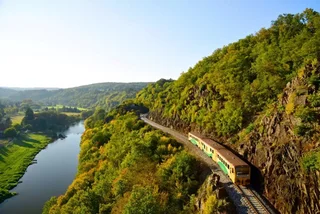
If you're looking for your next weekend getaway, you can do a lot worse than taking the train to Tábor, a city voted the number one place to fall in love with the Czech Republic that remains, to this day, largely undiscovered.
It is possible to see a guided group of senior citizens from Austria, but even that you'll only see on rare weekends, so there’s a good chance that any travelers will virtually have the entire city to enjoy for themselves. If you've seen Kutná Hora, been to Český Krumlov and had a gawk at Karlovy Vary, maybe make the time for Tábor – there really isn’t a better time to visit than now.
One-eyed generals and human-skin drums: The history corner
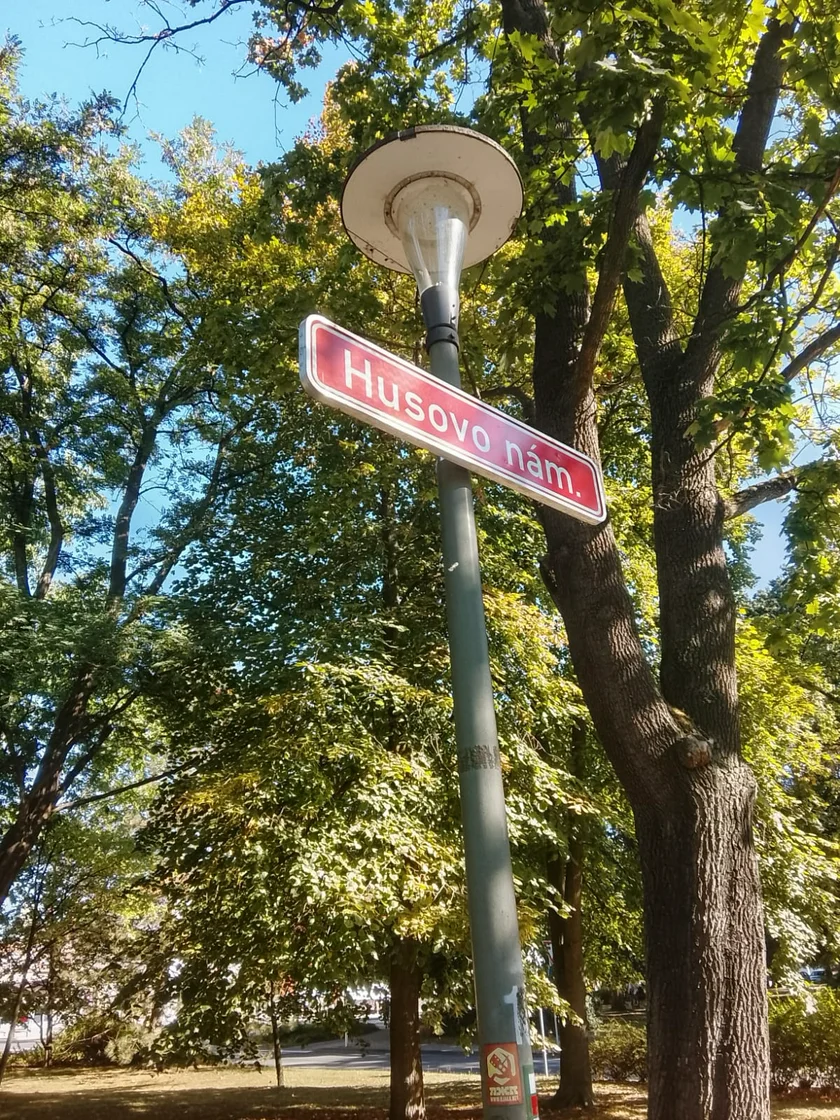
The city was founded by the Hussites (the followers of the teachings of Jan Hus) in 1420 at the outbreak of the Hussite Wars and served as the main base for the Taborites – a radical wing of the Hussite movement who named their new settlement after a holy mountain in Israel. This is where the Czech word "tábor" (“a camp”) comes from.
Especially considering the times, the Taborites were oddballs and eccentrics, to say the least: they celebrated Mass, naked and in the forest, held by unordained priests, and ran an anarcho-communist society where private property was forbidden. Catholics did not take too kindly to such behavior, and a great deal of their crusading against the Hussites was directed against Tábor.
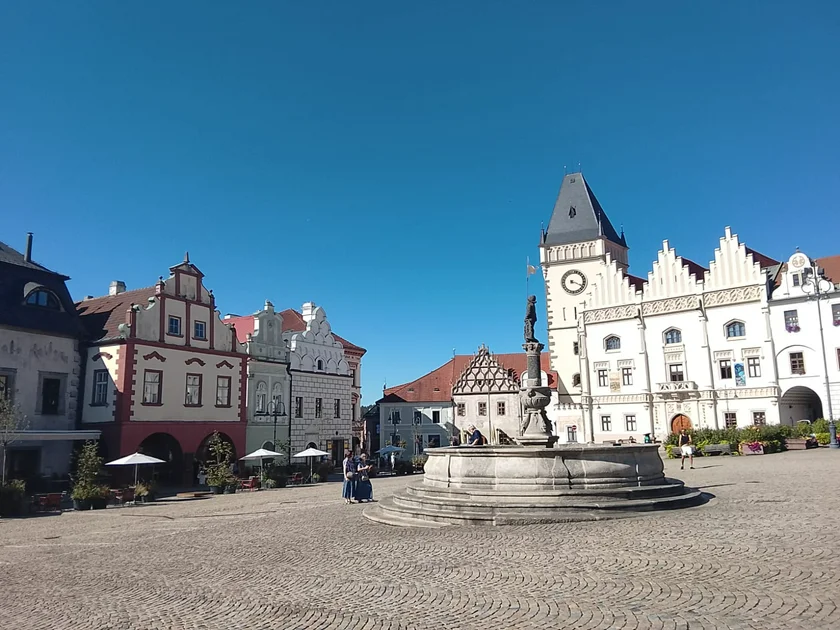
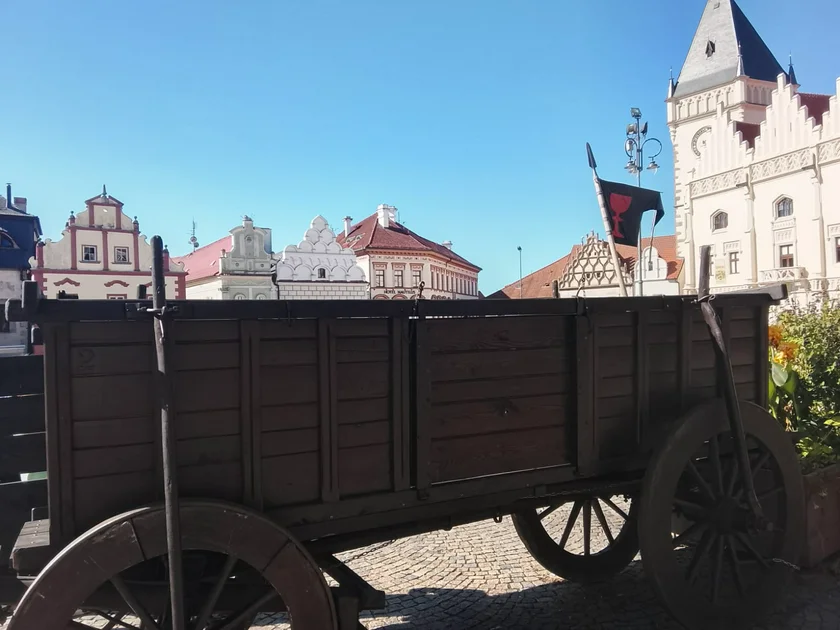
One of the Taborites’ main leaders was none other than one-eyed Jan Žižka who went about the place wielding his "palcát" - a big stick adorned with a spiky iron ball. Now celebrated as one of the greatest military minds in history, it was under his direction that handheld firearms were developed – the English word "pistol" famously comes from Czech. In Tábor, you can also see a replica on the main square of the medieval tank Žižka invented: a wooden fortress filled with men holding guns that moved around the battlefield on wheels.
Swept away by the plague, Žižka’s dying wish was to have his skin removed to make drums – so that he could continue leading his troops, who became known as the Orphans after his death, into battle. Oddballs and eccentrics, yes, but sentimental as well.
Where to eat and drink in Tábor
- Kávová Zastávka: This is a charming little café, where the coffee and cakes speak for themselves. And make sure to visit the bathroom before leaving – it’s the kind you'd expect in a luxury hotel rather than in a provincial Bohemian town café. Address: Žižkova 611/1
- U Dvou Koček: A very nice restaurant with a beautiful garden – ideal to stop for lunch on a sunny day. If the weather proves too rough, the interior is worth it and has an alarming display of Medieval weaponry – all in good spirit, of course. Address: Svatošova 312
- Restaurace Škochův dům: The food here is fantastic - hearty, traditional meals served in a gorgeous historical building. Address: Žižkovo Náměstí 22
- Smíchov 1869: This one is very much a local place where neighbors drop in for a quick beer and a shot of Becherovka. It's incredibly friendly, with delicious daily food offers. Address: Kpt. Jaroše 88
- Divadelní Kavárna: Stop by this theater café for a pleasant afternoon coffee or glass of wine – always very pleasant, well-chilled, perfect for a summer’s day. Address: Palackého 352

Ramparts, tunnels and cobblestones: Tábor from all angles
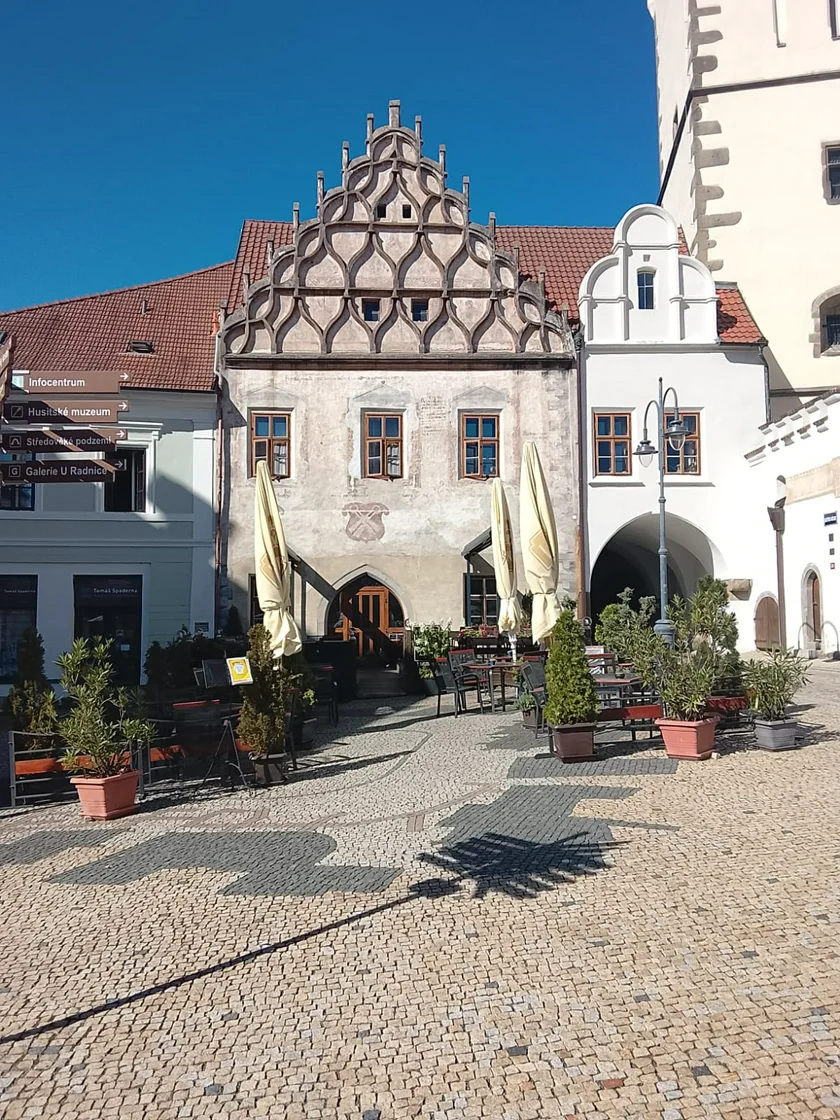
One of the city’s greatest attractions is its fabulous museum located on the main square (Žižka Square, naturally), full of information about the Hussites, as well as weapons and artefacts from the 15th century. Buying a ticket for the museum will also get you a guided tour of Tábor's underground, a truly fascinating part of the city to discover.
During the wars, the Hussites dug tunnels under the city to hide from the invading Catholic forces. Due to the frequency of these invasions, some people lived underground for years at a time, even keeping animals there. Later used as a cold storage space for perishable goods, the tunnels have been beautifully preserved. We highly recommend.
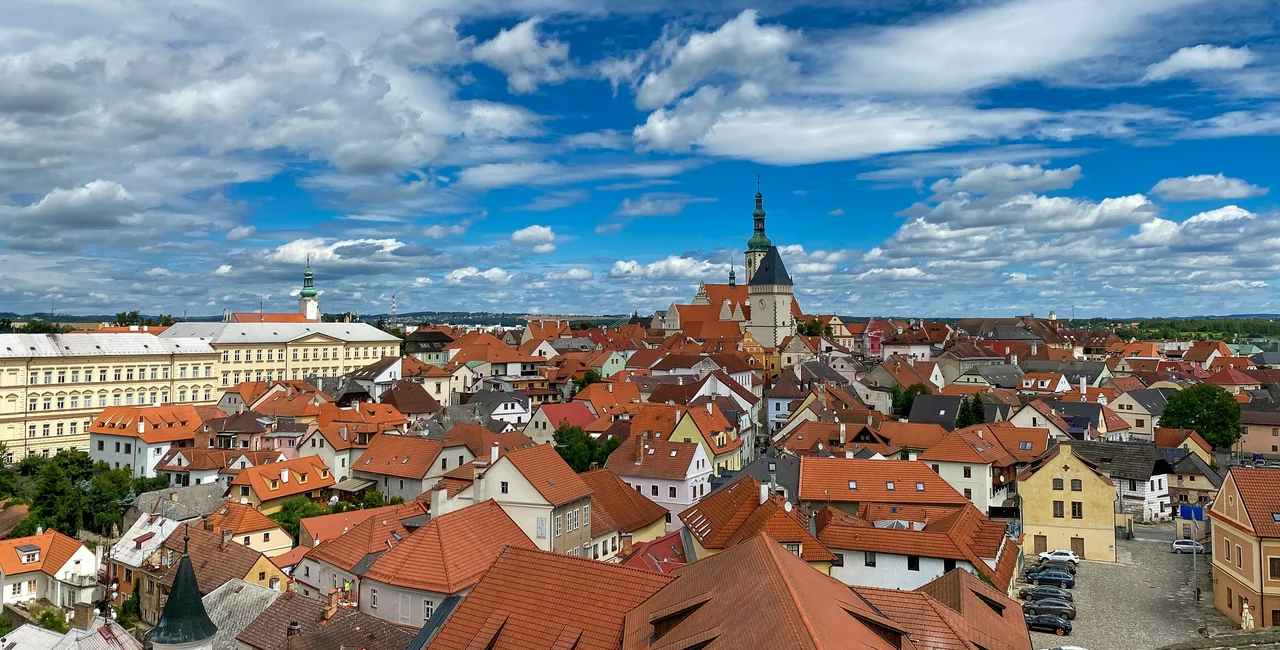
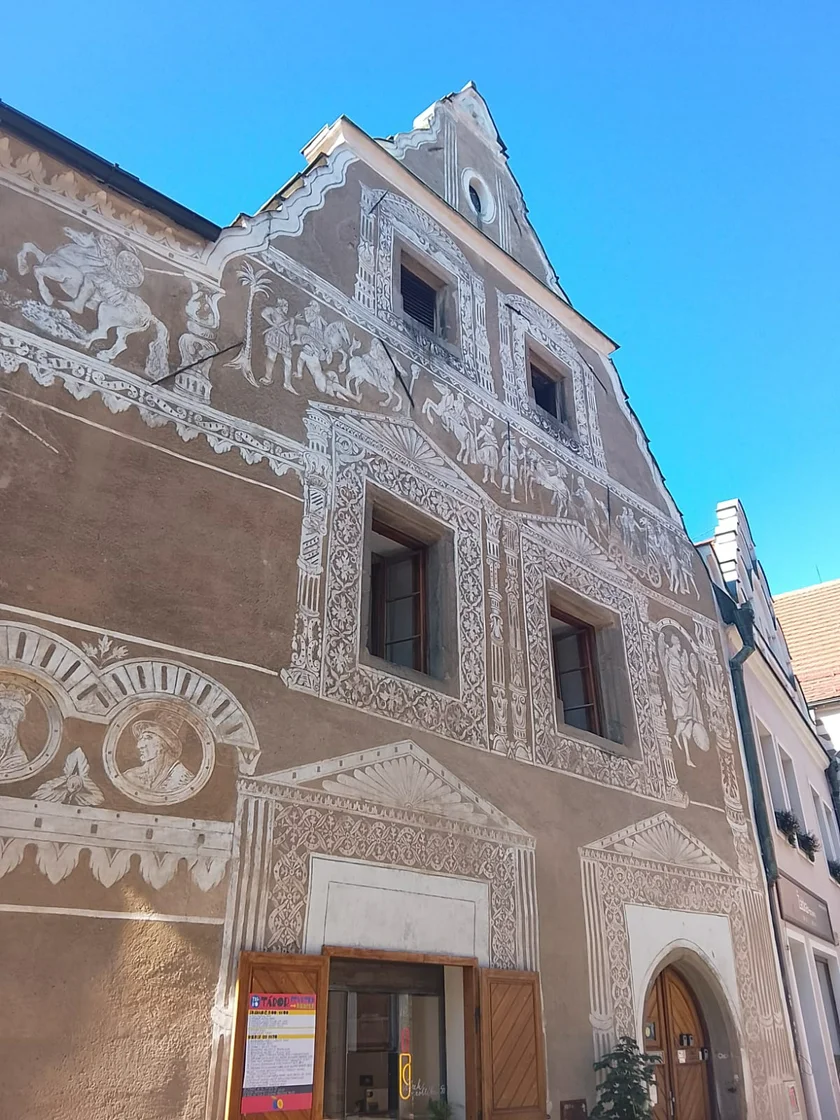
Apart from that museum and the general handsome appearance of the city, the city walls are another must-do. The views from the ramparts, reminiscent of those topsy-turvy maps of Europe from the Reformation period, somehow bring the Middle Ages to life right in front of our eyes.
And then there's the surrounding nature to discover under all weathers and in all seasons – either for a walk in the nearby woods or to visit the Garnet Cliff, where garnets the size of tennis balls were disinterred. Last but not least, both the Botanical Gardens, the second oldest in the Czech Republic, and the Tábor Zoo are worth a visit if time allows.