



 Reading time: 3 minutes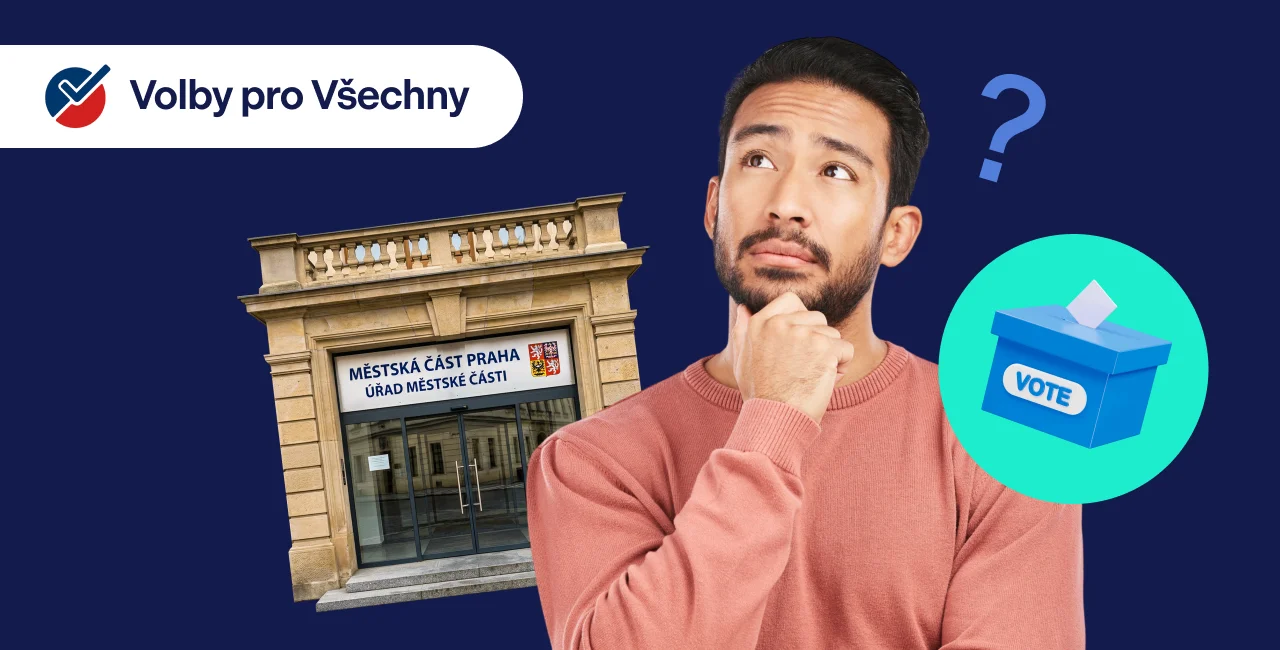

 Summary for: Dog poop, noise, and rent: Local elections can help your 'hood – but who can vote?
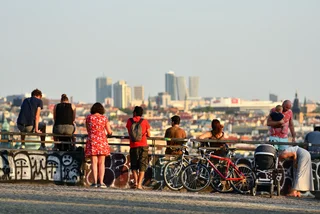
In October, Czech cities and towns will hold municipal elections. For many in Czechia, these races will matter more than any parliamentary vote.
Here's an example: Prague rents are among the highest in Europe relative to local salaries. Who sets housing policy? The city government. Who controls zoning, approves new developments, and decides affordability strategies? The city government. And housing is just one issue.
Just complaining to friends about rent prices over a beer doesn’t change the situation, however. The better solution is to complain to the people with power to change things.
What does Prague’s local government look like?
Prague has a main city hall -- known as the Magistrát -- plus 22 administrative districts, each with its own district-level governance. These districts stretch from Prague 1 (Old Town, Hradčany, and other parts of the historic center) out to Prague 22 (Uhříněves). Brno and Ostrava are organized similarly.
For most day-to-day issues, your district is the one to call. District governments handle:
- Non-arterial streets, sidewalk repairs, lighting, and cleaning
- Primary schools and kindergartens
- Social services: child protection, senior care, home assistance, counseling
- Local parks and playgrounds
- Libraries, community centers, neighborhood festivals
- Vehicle registration, passports, and other ID bureaucracy
- Local construction permits, garbage collection, and city district-owned apartments
The Magistrát handles the bigger picture:
- City budget and infrastructure investment
- Urban planning, zoning, major developments, and housing policy
- Public transport
- Major roads, parking, and traffic
- Climate strategy, waste coordination, and air quality
- City police
- Secondary schools
- Major cultural institutions, including Prague theaters and the Prague City Gallery
Rule of thumb: go to your district first
Though this organizational structure may seem confusing, most Prague residents should go to their local district when they have an issue that needs attention. The Magistrát handles big systems, and few people will deal with them unless it’s about a city-wide issue or some major development.
Useful resources: Portal Pražana (use your browser’s translation functionality) handles resident issues. Metropole Všech is designed specifically for people with a migration background.
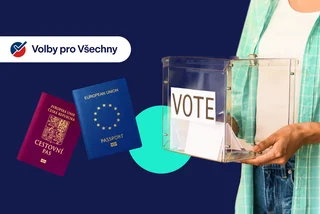
Volby pro Všechny has designed a fun quiz to help you understand “who does what” in local government.
What’s at stake in the October municipal elections?
Voting takes place October 9–10. Residents will choose both district council members and city-wide council members; together, they steer Prague's government through the city assembly, the mayor, and the city council.
What do Prague residents care most about? Housing costs and traffic top the surveys followed by concerns about drug use, homelessness, and the effects of mass tourism on the center.

Beyond daily frustrations, the elections are a chance to shape Prague's longer-term trajectory: How is the city responding to the climate crisis? How will it manage growth? How will it integrate an increasingly diverse population? Candidates and parties answer these questions differently, which means your vote is a direct expression of which answers you want.
There's also a national dimension. These are the first elections since the right-wing coalition government took power. Strong results for the governing parties (ANO, Motoristé, SPD) will be read as a mandate. Gains for the opposition will signal discontent. Municipal elections double as a national report card.
Who can vote?
Czech citizens vote where they have permanent residence, which means many Prague-based Czechs still registered in their hometowns won't be casting ballots here.
But here's what many people don't realize: EU citizens can vote in Prague's municipal elections, as long as they've registered their residence. That makes this one of the only chances for non-Czech residents to have a direct say in Czech politics.
Expats.cz is partnering with Volby pro Všechny, a Prague NGO dedicated to mobilizing voters with a migration background, to cover the elections ahead. Future articles will break down the choices, the issues, and how to register.
In the meantime, visit volbyprovsechny.cz.