 Reading time: 2 minutes

 Summary for: Living longer, running on empty: Most Czechs feel unprepared for old age
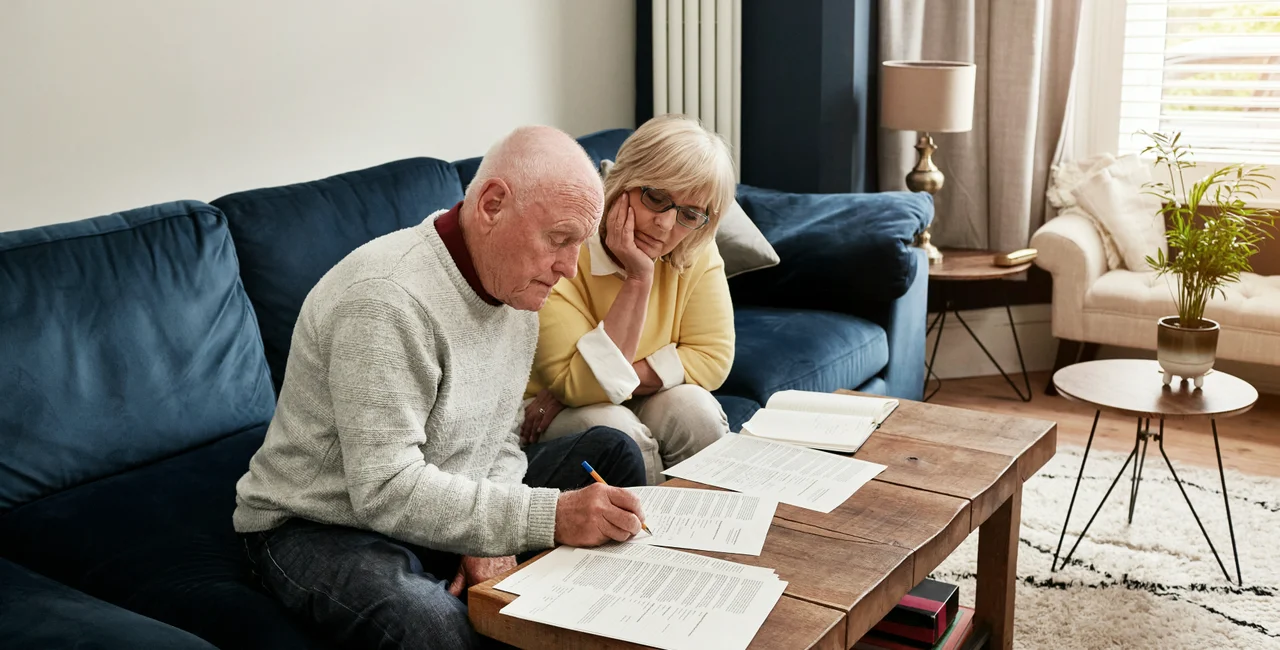
Only 37 percent of Czechs feel prepared for a long life, according to a new survey that highlights widespread exhaustion alongside more positive expectations about retirement.
Six in ten respondents said they frequently finished the day feeling depleted, while almost half struggled to keep pace with modern life. Just 42 percent described their health as good or very good, and fewer than half felt they had sufficient physical energy.
The findings come from research conducted for NN Life Insurance by agency Indiville in cooperation with Hasselt University. They suggest a gap between hopes for an enjoyable later life and how people assess their current health, energy and financial resources.
Retirement brings freedom—but budgets set limits
Despite concerns about preparedness, many people who have already retired reported positive experiences.
Almost two-thirds of Czech pensioners said they enjoyed retirement. For 68 percent, leaving work had not presented a major problem, while nearly half said they had plenty of activities to occupy them. Those still approaching retirement also associated it with greater freedom.
Among respondents older than 45, some 58 percent looked forward to rest, 52 percent expected more time to do what they wanted, and 48 percent viewed retirement as the beginning of a new stage of life.
However, current pensioners’ answers showed how finances can constrain those plans.

Some 52 percent had needed to adjust to a lower income after retiring. A further finding was that 56 percent would do more if their finances allowed it.
The results therefore present a mixed picture: many retirees enjoy life after work, but a substantial share cannot afford all the activities they would like to pursue.
Health and family responsibilities can change plans
Retirement also does not always begin at the moment someone expects. Michal Korejs, product director at NN Life Insurance, said health problems, caring responsibilities or a need to slow down could bring an earlier end to working life than planned.
He highlighted financial reserves as a way to manage such circumstances. According to the survey, 53 percent of Czech respondents could support themselves from savings for at least three months.
That leaves a substantial share without a reserve lasting that long, although the findings provided do not show how much those respondents had saved or what other support they could access.

The survey’s measures of health, energy and preparedness reflect respondents’ own assessments. They are not clinical evaluations or a calculation of whether individuals have enough money to fund retirement.
The online research involved 5,119 people ages 18 to 79 across Czechia, Slovakia, Belgium, Greece and Spain. That figure is the combined international sample, rather than the number surveyed in Czechia alone.