Soaring rental costs, not low wages, are now the primary driver of poverty in Czechia, according to a new analysis by the Platform for Social Housing and PAQ Research. While more residents are renting, fewer families and young people can afford to buy homes, and rent increases are outpacing earnings.
The analysis highlights a growing mismatch between income and housing costs. Experts warn that the trend is deepening financial insecurity for middle-income households.
Nearly half of complete families renting face income poverty, meaning that after paying housing costs, they have less than 60 percent of the national median household income—CZK 16,774 per month for a single-person household in 2023, according to the Czech Statistical Office.
Since 2019, the number of families in income poverty has risen by 190,000, including 90,000 single parents.
A city-centered problem with national implications
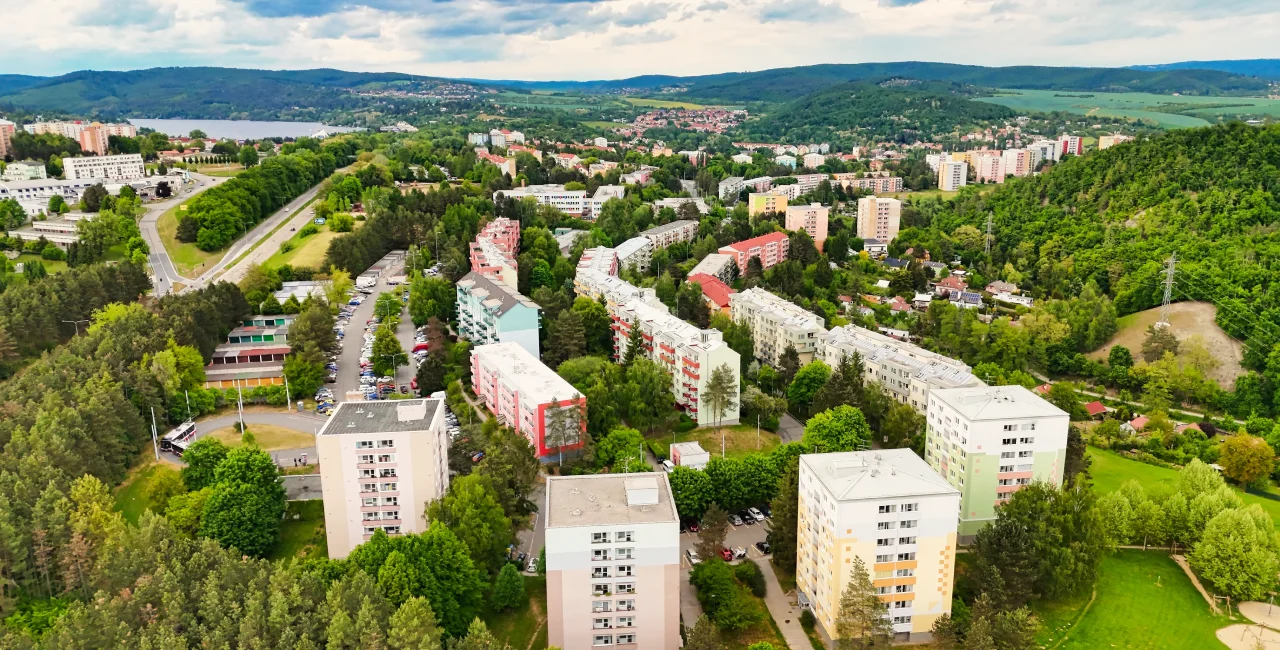
Housing costs are climbing fastest in urban areas where rental demand is highest, notably Prague, Brno, and other large cities. While homeownership remains more common in rural areas, the limited supply of apartments in cities worsens affordability.
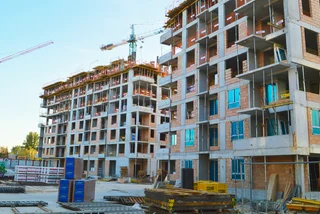
Experts caution that current construction levels—around 11,000 new units annually—are insufficient to meet demand, and rising urban migration is expected to intensify the crisis.
“The crisis does not only affect low-income families,” noted analyst Jan Klusáček, co-author of the report. “It increasingly hits middle-income households and young adults.” Social housing and financial support have not kept pace with market pressures, leaving many families vulnerable.
Solutions target construction and tax reform
The report recommends a multifaceted approach to improve housing availability within four years. Measures include expanding municipal housing, renovating existing but underutilized buildings, and revising financial incentives for property ownership.
Experts argue that tax breaks for mortgage interest disproportionately benefit wealthier households, diverting resources from broader investment in affordable rental housing.
Short-term rental platforms such as Airbnb also contribute to scarcity. Around 8,000 potential rental units are removed from long-term housing due to their use as short-term rentals, often benefiting from lower taxation.
The incoming government has proposed tax incentives for long-term leases, though analysts warn that enforcement against large-scale tax avoidance will be critical.
Strengthening rental security and energy efficiency
The study also recommends stabilizing rental contracts. Frequent short-term leases, sometimes only a few months, leave tenants with little security and expose landlords and renters to legal disputes. A proposed model introduces an initial one-year lease followed by automatic conversion to an open-ended contract, reflecting European best practices.
Energy poverty is another concern, as households face rising utility costs. The analysis suggests combining financial support for energy-efficient renovations with direct subsidies for low-income tenants. Funding could come from the sale of emissions allowances, mitigating the impact of new European Union carbon pricing schemes.
Do you think rental prices in Czechia are too high?
Without structural changes, housing pressures in Czechia are likely to intensify, with rising rent and limited construction continuing to drive families into poverty. Analysts stress that a coordinated strategy—spanning municipal investment, tax reform, social housing, and energy efficiency—is essential to stabilize the rental market.