




 Reading time: 2 minutes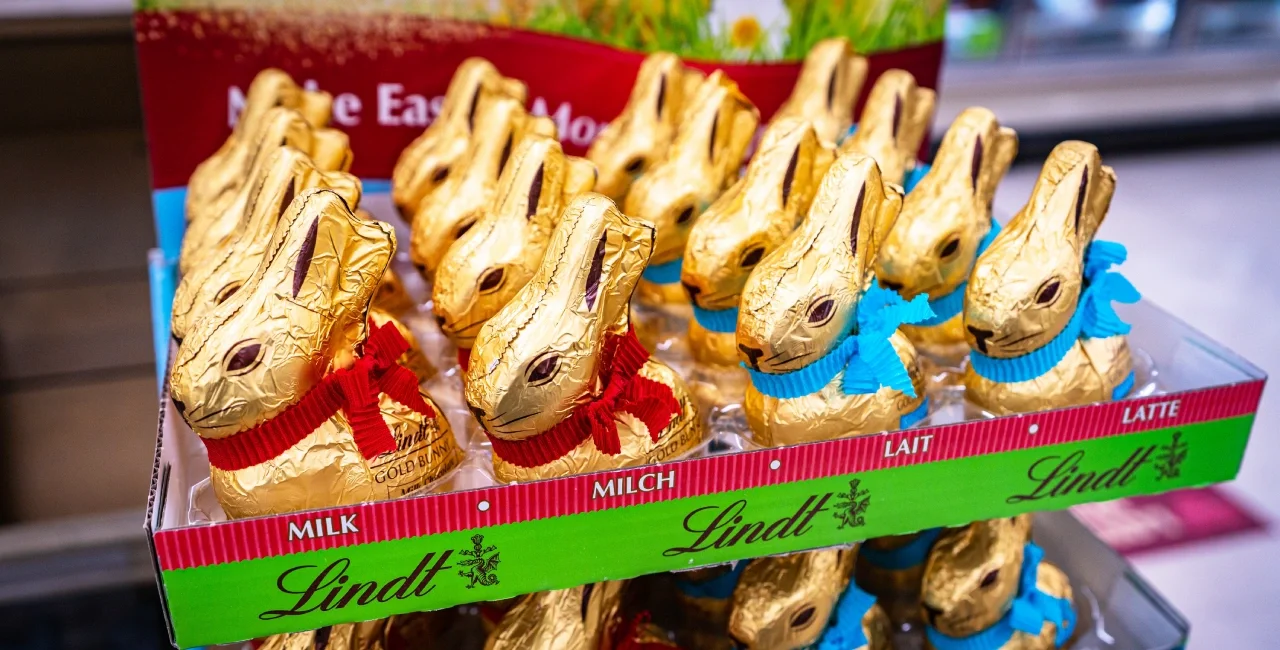

 Summary for: Easter chocolate prices surge in Czech supermarkets ahead of holidays
Easter chocolate treats in Czech supermarkets are becoming noticeably more expensive this year, with prices for chocolate bunnies and eggs rising by up to 29 percent compared with last year.
While global cocoa prices have recently fallen, Czech consumers are still facing higher price tags in stores. In some cases, the cost of a kilogram of branded chocolate now rivals or even exceeds premium beef, raising questions about how pricing strategies are evolving.

The trend reflects a mix of direct price increases, packaging changes, and hidden inflation effects that continue to shape everyday shopping in Czechia.
Rising prices despite cheaper cocoa
Chocolate Easter figures have become significantly more expensive across major brands, according to analysis by iDnes.cz, even as cocoa prices returned in March to roughly the same level as three years ago.
The analysis shows that compared with 2020, discounted retail prices have increased sharply. A 90-gram Milka bunny rose from CZK 29.90 in 2020 to CZK 54.90 in 2026, an increase of 83.6 percent. A 100-gram Lindt Gold bunny increased from CZK 59.90 to CZK 89.90, while the 100-gram Kinder Surprise Maxi rose from CZK 79.90 to CZK 109.90.

In larger packages, the increases are even more visible. A 175-gram package of Milka bunnies that cost CZK 99.90 in 2020 now retails for CZK 169.90.
Some products have seen increases of over 100 percent since 2020, according to retail comparisons. A kilogram of Lindt Easter bunnies costs around CZK 1,600, which is comparable to or higher than premium beef cuts such as sirloin steak.

The analysis also notes that Czech shoppers often pay more than consumers in neighboring Germany. Price differences range from about 10-25 percent depending on the product, with items such as Kinder Surprise Maxi priced at CZK 109.90 in Czechia compared with the equivalent of CZK 94.75 in Germany.
Shrinkflation and hidden changes
Beyond outright price increases, analysis by German consumer organizations highlights the role of shrinkflation, where products become smaller but remain the same price. For example, if a 100-gram chocolate figure is replaced with a 90-gram version at the same price, consumers effectively pay around 11 percent more per unit weight.
Manufacturers also use larger packaging to make products appear bigger, even when the chocolate content is reduced. Some companies are also reported to adjust recipes, replacing cocoa butter with cheaper vegetable fats to maintain margins.
In some cases, packaging design alone can significantly affect pricing. A standard 100-gram chocolate bar may cost around CZK 55, while a seasonal Easter edition of a 200-gram product can reach CZK 135, despite being the same chocolate in different packaging.
The analysis suggests that Easter products are often treated as gifts rather than basic food items, allowing manufacturers to charge premium prices. Consumers are more likely to accept higher costs or decorative packaging during the holiday season, especially when products are marketed as limited editions or festive treats.