




 Reading time: 3 minutes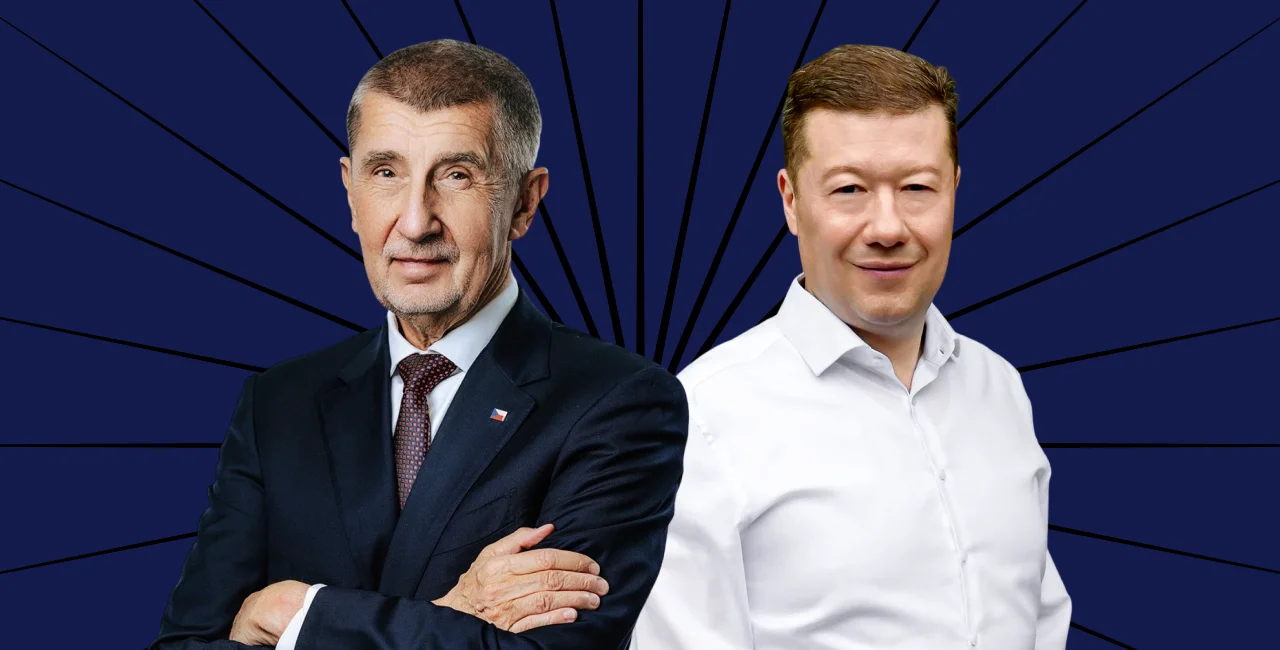

 Summary for: Czechia shifts sharply to the right as new coalition officially announced
Czechia is preparing for a rightward shift in policy after the populist ANO movement reached a coalition deal with the far-right Freedom and Direct Democracy (SPD) party and the right-populist Motorists movement.
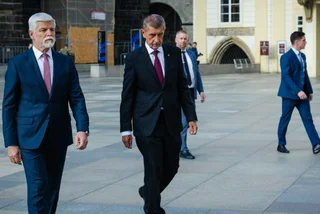
The deal, expected to be signed on Nov. 3 (the same day the new Chamber of Deputies convenes), will give the three parties a combined 108 seats in the 200-member parliament. ANO leader Andrej Babiš, who served as prime minister in 2017-2021, is set to return to the post after being tasked by President Petr Pavel to form a government.
Political analysts say the coalition could tighten immigration rules, slow progress on environmental targets, and reshape parts of Czechia’s relationship with the EU. However, details of the coalition’s joint program have yet to be released.
How much control will each party have?
In Czech politics, the allocation of places in the Chamber of Deputies depends on votes received in the election. ANO has 80, the SPD party 15, and Motorists 13.
Under the coalition structure, ANO will hold the majority of ministries, while the SPD and Motorists are expected to oversee smaller portfolios. While their seat counts are modest, their participation could influence government priorities on migration, EU integration, and environmental regulation.
Some Czech commentators are already questioning how the three parties will bridge their conflicting agendas. As Právo journalist Josef Koukal noted, it will take “an extraordinary effort” to square ANO’s big-spending promises with the Motorists’ calls for a balanced budget, a sign that unity may prove easier to declare than to maintain.
Integrity and credibility questions may test the coalition
While the coalition is set to command a comfortable majority in parliament, its leadership faces ongoing scrutiny that could challenge public trust and EU cooperation.

Babiš continues to face questions over conflict-of-interest issues linked to his Agrofert business group and past EU subsidy cases, though he has denied wrongdoing.
The Motorists movement also brings potential reputational risks. Its honorary president Filip Turek is under police investigation for alleged extremist social media posts and remains a polarizing figure. Party leader Peter Macinka, expected to become environment minister, has drawn criticism for inflammatory remarks about climate activists.
As iRozhlas journalist Apolena Rychlíková points out, the Motorists channel a distinctly Czech form of climate skepticism, turning environmental policy into a culture war between “ordinary drivers” and urban elites. Their message downplays human responsibility for climate change and frames green reforms as an attack on personal freedom.
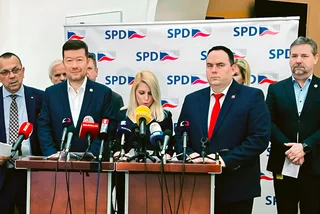
Okamura has faced repeated criticism for anti-migrant rhetoric and past legal disputes over campaign messaging, but remains influential among nationalist voters. Analysts say the coalition’s ability to maintain credibility, both domestically and within the EU, will depend on how Babiš manages these internal tensions and reins in controversial voices.
What is the president's role?
President Petr Pavel, meanwhile, has remained publicly measured but is closely watching how the new coalition takes shape.

Unlike his outspoken predecessor Miloš Zeman, Pavel has so far avoided open confrontation, though Právo commentator Lukáš Jelínek notes that he “wants a clear conscience for pointing out the risks involved” in what many view as a volatile government.
For now, Pavel’s influence lies in tone rather than power, signaling caution to voters and Brussels that the Czech presidency will remain a moderating voice as the country shifts politically to the right.
What could change under the new government
Political analysts say the new coalition is likely to prioritize:
- Immigration: Possible tightening of visa or residence rules, though ANO is expected to moderate SPD’s tougher proposals.
- Economy: Focus on supporting domestic industries, slowing some green transition policies, and increasing energy independence.
- Living costs: Any impact on household bills would depend on future energy and tax decisions; no immediate changes announced.
- Environment & transport: The Motorists movement, known for opposing strict EU environmental targets, may influence infrastructure and city development policy.
Yet Czech commentators warn that the real impact of this coalition could be societal as much as political. “We are in for some interesting parliamentary debates,” Rychlíková writes, “which are likely to deepen the polarisation of society and further spread misinformation.”