Reading time: 2 minutes

 Summary for: Cutting Ukraine aid would embolden Russia, Pavel warns in Berlin
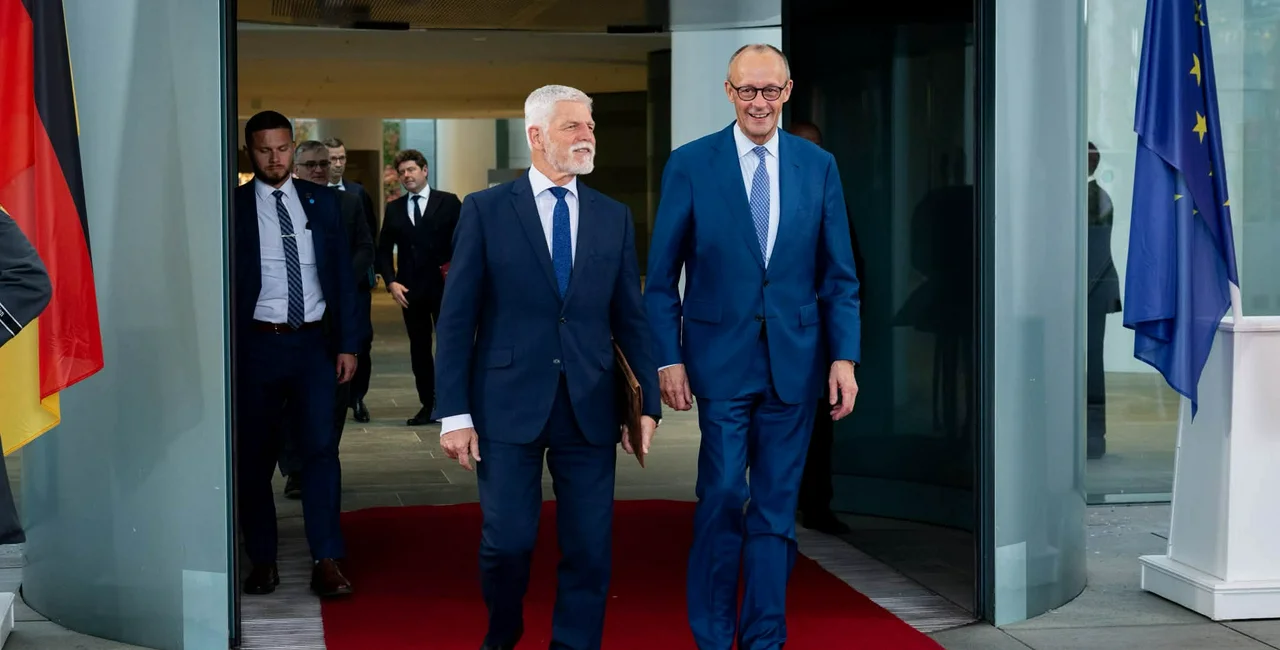
Ending support for Ukraine would encourage Russia rather than ease tensions in Europe, Czech President Petr Pavel said Wednesday after meeting German Chancellor Friedrich Merz in Berlin.
Pavel rejected the argument that withdrawing assistance could reduce Russian hybrid attacks or help calm relations. He said continued support was necessary to avoid greater security problems.
Ukraine was a central topic during the meeting, part of Pavel’s two-day working visit to Germany. The leaders also discussed closer security cooperation, shared air defenses and progress on the planned high-speed railway between Prague and Dresden.
Support for Ukraine remains a security priority
Germany is Europe’s largest supporter of Ukraine, which has been resisting Russia’s full-scale invasion since February 2022. Pavel said Berlin remained firmly committed to continuing that assistance.
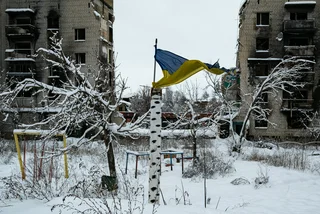
“Germany is a strong advocate of the idea that support for Ukraine must continue if we do not want to face even greater problems than we do today,” he said.
Some European countries believe ending support could lower tensions and reduce hybrid attacks, Pavel said, without naming them.
He took the opposite view: “I think it would lead to the reverse, because it would encourage Russia.”

His comments framed assistance to Ukraine as part of Europe’s own security, rather than an issue separate from the threats facing other countries.
The Berlin talks also covered ways to deepen Czech-German cooperation beyond conventional defense. Pavel said the discussion included internal security, reliable supplies, access to raw materials and food security.
Shared defenses and a faster route to Germany
On air defense, Pavel argued for coordination between European countries rather than each government independently buying every type of system.
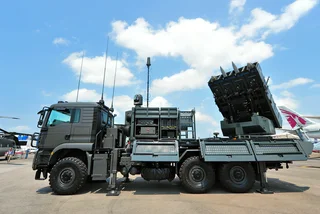
The two leaders agreed that it “definitely makes no sense for every European country to acquire all types of this defense,” he said. Countries should instead consider sharing capabilities.
Pavel also welcomed progress on infrastructure projects, including the planned Prague–Dresden high-speed railway, which would include a tunnel beneath the Ore Mountains.

The cross-border connection was among the examples he cited of practical cooperation between Czechia and Germany. His remarks did not include a new construction deadline or agreement on financing.
Further meetings between the two countries’ leaders are planned in the coming months.
German President Frank-Walter Steinmeier is scheduled to visit Prague on Dec. 1, Pavel said. Merz is expected to travel to Czechia early next year, in what would be his first visit as chancellor since taking office in 2025.