 Reading time: 2 minutes

 Summary for: Corporate tax cuts, V4 restoration: New Czech government's policy plan revealed
The incoming Czech coalition of ANO, SPD, and the Motorists has pledged not to raise taxes and to cut the corporate tax rate from 21 to 19 percent, according to a draft policy statement sent to President Petr Pavel on Friday. The document outlines the coalition’s priorities, including air defense, social benefits, and fiscal stability.
The plan could have widespread implications for households and businesses. Lower taxes may reduce corporate costs, while commitments to social programs, healthcare support, and pension adjustments could influence public services and the cost of living. Analysts say these measures will define the government’s approach over its four-year term.

New Czech economic and social priorities
The coalition’s draft policy confirms the reintroduction of the electronic sales reporting system (EET) from 2027, aimed at curbing tax evasion. The system will exempt small trades and casual earnings and include concessions such as direct tax rebates, lower VAT on catering, and zero VAT on prescription drugs.

The parties also plan to abolish leisure benefit caps for employees, stop automatic property tax indexation, and reduce agricultural subsidies for inactive farms. Analysts have noted that these fiscal measures largely reflect ANO’s pre-election platform, although SPD and the Motorists secured some of their policy goals.
Social insurance contributions for self-employed workers are set to remain at 35 percent of the average wage. The coalition promises increased parental allowances, child benefits, and tax reliefs for families, as well as adjustments to the pension system.
A new law on social services is planned, including targeted support for the elderly and disabled, and measures to prevent misuse of welfare programs. The policy also emphasizes promoting healthy lifestyles through sport, physical activity, and preventative healthcare initiatives.
Healthcare access, public services, and benefits could be directly affected, potentially improving support for families, pensioners, and caregivers. The policy statement also outlines initiatives to enhance transparency in public funding, including reforms to the National Sports Agency.

Foreign policy and defense goals
The coalition aims to strengthen relations with Visegrad Group (V4) countries while maintaining Czech sovereignty in EU and NATO matters. The policy rejects a national referendum on EU or NATO membership and proposes abolishing the post of Minister for European Affairs, consolidating European matters under the prime minister’s office.

The document emphasizes defending Czech national interests abroad, promoting economic diplomacy, and maintaining stable relations with strategic partners such as the United States and Israel.
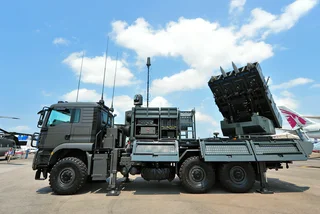
Strengthening air defense and modernizing the Czech armed forces are central priorities for the new coalition. The policy calls for advanced drone protection systems, expanded air defense capabilities, and integration into a multi-layered European system. Plans also include raising starting salaries for soldiers to CZK 50,000 per month and improving voluntary military training programs.
Do you agree with the incoming coalition's policy plans?
Analysts warn that while ambitious, the defense plans may face implementation challenges, particularly regarding staffing shortages and complex procurement processes. J&T Investment analyst Stepan Hajek noted, “The army will be short of hundreds of soldiers in the coming years. Implementation will be key to translating strategy into real capability.”

The coalition plans to formally publish its program and sign a coalition agreement on Monday. Experts say the draft largely mirrors ANO’s campaign promises, though some adjustments reflect partner priorities.