 Reading time: 2 minutes

 Summary for: Babiš wishes Israel a ‘strong leader’ as voters head to the polls
Czech Prime Minister Andrej Babiš wished Israel good luck in its parliamentary election Tuesday and said he hoped the country would continue to be led by a strong leader.
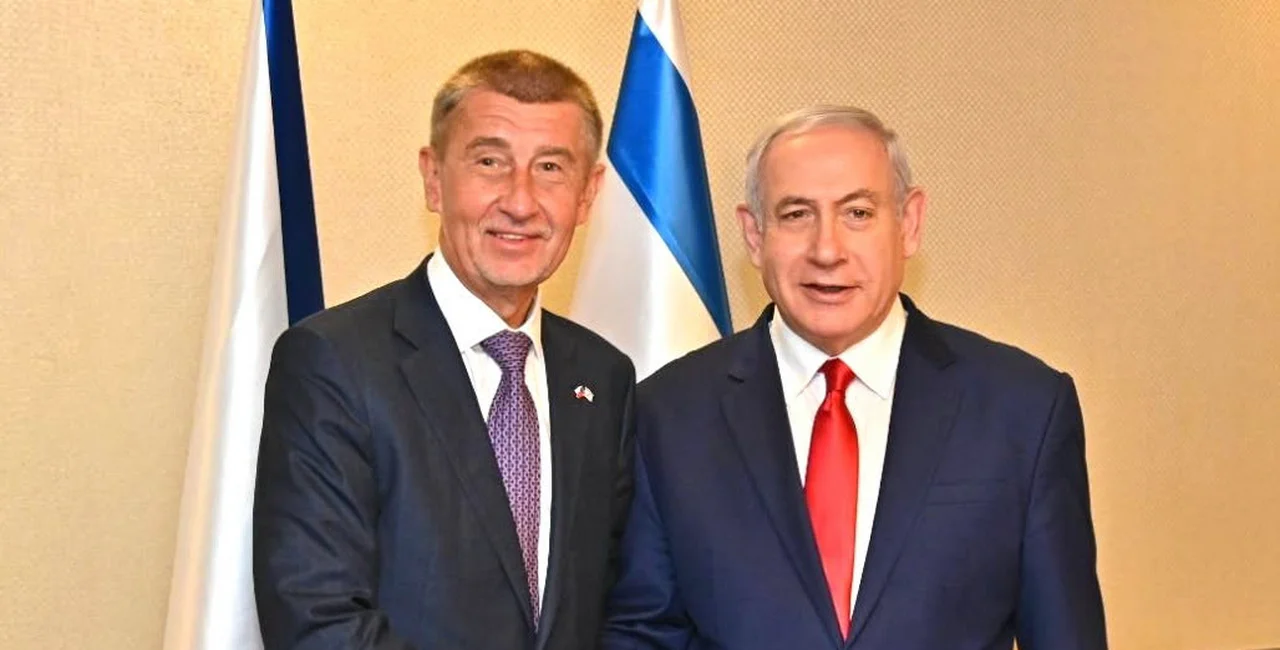
In a message posted on X, Babiš addressed Israeli Prime Minister Benjamin Netanyahu, expressing appreciation for their dialogue and the longstanding friendship between Czechia and Israel.
“I am certain that the friendship between our countries will continue regardless of who happens to be in power,” Babiš wrote.
Czech message emphasizes enduring ties
Babiš’s remarks came as more than 7 million eligible voters decided the composition of Israel’s next parliament in the first national election since the Hamas-led attack of Oct. 7, 2023.
Prime Minister @netanyahu, I value our dialogue and the longstanding friendship between our countries. Czechia and Israel share a close bond, and I sincerely wish peace, security and a better future for the people of Israel. At the same time, I wish Israel the best of luck in the elections, so that it will continue to be led by a strong leader, and I am certain that the friendship between our countries will continue, no matter who is in power.
— Andrej BabiÅ¡ (@AndrejBabis) October 27, 2026
Netanyahu is seeking to retain power against an opposition bloc led by centrist politician and former military chief Gadi Eisenkot. Pre-election polling suggested a narrow advantage for the opposition, although neither bloc appeared assured of the 61 seats needed for a majority in the 120-member Knesset.
Babiš’s message combined personal appreciation for Netanyahu with an assurance that Czech-Israeli relations would continue under whichever government emerges.
Voting is scheduled to end at 9 p.m. Prague time Tuesday, with counting beginning afterward. The eventual government will depend on coalition negotiations, rather than a direct election of the prime minister.

Security failures and accountability shape the vote
The election gives Israelis their first national opportunity to judge the government’s handling of the Oct. 7 attack and the wars that followed.
Netanyahu has faced criticism over the failure to prevent the attack, alongside his corruption trial and controversial efforts to overhaul the judiciary. International criticism has also focused on civilian deaths during Israel’s campaign in Gaza and the expansion of settlements in occupied Palestinian territory.
The prime minister argues that his government has substantially weakened Hamas, Lebanon’s Hezbollah and Iran. During the campaign, he pledged to continue confronting Iran if returned to office.

Eisenkot and other opposition leaders have promised to reunite the country and establish an independent commission to investigate the failures surrounding the Oct. 7 attack. Their campaign also emphasizes security and economic issues.
The close contest could leave smaller parties playing a decisive role. Arab parties oppose cooperation with Netanyahu, but divisions over potential alliances could also complicate the opposition’s path to a governing majority.

As The Associated Press reported, Israelis vote for parties rather than a prime minister, and coalition negotiations could take weeks or months.