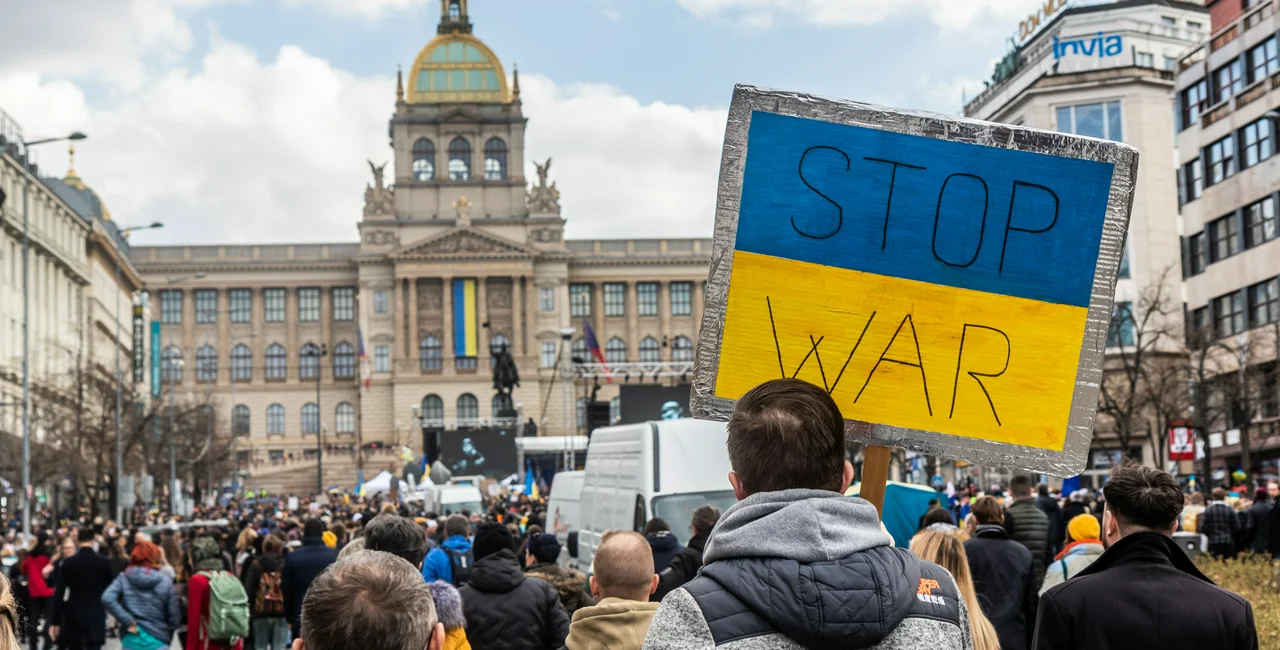
Four years after Russia invaded Ukraine, the Czech Republic’s position toward the conflict shows signs of rhetorical change under the current government. The coalition of ANO, SPD, and Motorist representatives has signaled a more cautious tone in public statements about supporting Ukraine.
Experts warn that such tonal shifts could affect the Czech Republic’s diplomatic standing in Europe, even as the country's material assistance to Ukraine remains largely unchanged.
For Ukrainians living in Czechia, the war’s human impact continues to shape daily life. More than 55,000 Ukrainian refugee children are currently enrolled in Czech schools, and healthcare provision for refugees has consistently outweighed costs, reflecting both the scale of migration and the country’s commitment to integration.
Rhetoric versus reality
Since taking office, the current government has made several moves interpreted by experts as marking a rhetorical change. Minister of Defense Jaromír Zůna publicly declined an invitation to visit Ukraine, while the government rejected joining European loan guarantees for Ukraine and ruled out selling L-159 fighter jets.
Tomáš Kučera, a security studies expert at Charles University, tells Czech News Agency that while such actions signal a shift, they do not amount to a major material loss for Ukraine.
“The Czech Republic played a crucial role in the early stages of the war, providing T-72 tanks and munitions that helped stabilize Ukraine’s defense,” he said. With supplies now dwindling, Czech support has increasingly taken political and organizational forms, such as coordinating a munitions initiative for artillery shells.
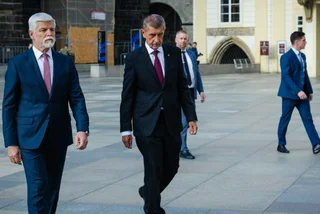
Jan Ludvík, also from Charles University, said the long-term approach remains unclear. “We need to see how informal relationships and responsibilities within the coalition settle before drawing firm conclusions,” he explained. Still, he notes, rhetoric prioritizing SPD voters’ preferences appears likely to endure, with Prime Minister Andrej Babiš having no competing alternative within the coalition.
The experts warn that a shift in tone could erode Czechia’s reputation as a reliable European partner. “Diplomatic capital built over the past years may diminish quickly,” Kučera said. This could influence future involvement in post-war reconstruction efforts, despite the fact that direct military and financial support continues.
The previous government reported that the Czech Republic provided CZK 17.4 billion in military aid to Ukraine over the past four years. President Petr Pavel highlighted that Czech-led initiatives supplied around 4.4 million rounds of heavy ammunition, with last year’s target of 1.8 million shells successfully delivered.
Integration of Ukrainian refugees
Meanwhile, the country’s humanitarian commitments to refugees show a different story. Data from the General Health Insurance Company (VZP) reveals that insurance contributions from Ukrainian refugees exceeded healthcare costs by CZK 5.3 billion in 2025. At the end of January, 334,000 Ukrainians were registered with VZP.
Ukrainian children now make up roughly 3 percent of all pupils in Czech kindergartens, primary, and secondary schools. While the number of refugee children in primary schools has slightly declined, secondary schools have seen a 30 percent year-on-year increase in Ukrainian students, now totaling about 9,400.
“The data confirms the successful integration of asylum seekers into regular classes,” the Education Ministry noted in a report. In Prague, the proportion of Ukrainian children in kindergartens is the highest nationwide, around 3.8 percent, reflecting the capital’s central role in housing refugee families.
As the war in Ukraine reaches its fourth anniversary, Czechia faces a balancing act between shifting political rhetoric and ongoing humanitarian obligations. Experts emphasize that while material support may continue at similar levels, changes in public messaging could affect diplomatic relationships and influence the country’s role in European reconstruction efforts.
For the Ukrainians who have made their lives in the Czech Republic, the realities of schooling, healthcare, and social integration continue to unfold regardless of political debates.