



 Reading time: 2 minutes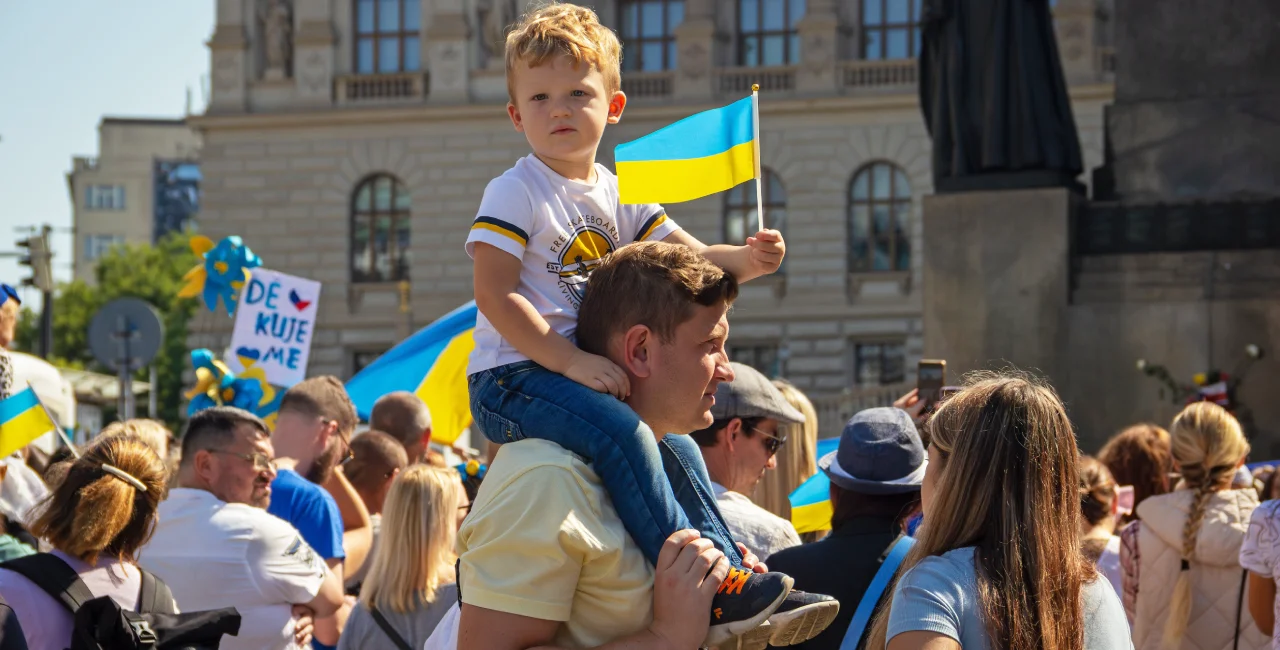

 Summary for: Number of Ukrainians seeking protection in Czechia surges in recent months
The number of Ukrainians applying for temporary protection in Czechia has more than doubled since late August, following a new Ukrainian government decision allowing men aged 18–22 to leave the country. Czech authorities report that weekly approvals jumped from an average of 1,500 before September to 3,100 in September and early October.
“This increase was practically immediate,” said Hana Malá, spokesperson for the Interior Ministry. “The policy change affects young men who previously could not leave Ukraine freely due to military service restrictions.”

As of late October, nearly 400,000 Ukrainians have registered for temporary protection in Czechia. Of these, around 122,000 are men aged 18–65, highlighting the impact of the policy change on younger male refugees.
Government response and administrative adjustments
To manage the surge, the Interior Ministry has increased staffing and resources, with additional application centers and extended hours. Minister Vít Rakušan has informed EU counterparts about the situation, emphasizing that cooperation between member states will be necessary if the upward trend continues.
“The priority is to process applications efficiently while ensuring that protection is granted to those fleeing the war,” Rakušan said. “We are prepared to adjust our administrative procedures if numbers continue to rise.”
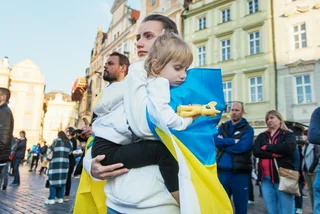
Authorities note that while temporary protection allows Ukrainians to live and work in Czechia, access to social benefits is limited. They may receive a humanitarian allowance if they lack income, though isolated cases of misuse have been reported. Still, overall state spending on refugees remains lower than the contributions these individuals make through work.
The rise in Ukrainian arrivals coincides with discussions about a potential new coalition government led by ANO, SPD, and the Motorists’ Party, which could take a stricter stance on refugee policies.

SPD leader Tomio Okamura said the party will consider reviewing residence permits and restricting social benefits. “We want to ensure that aid goes primarily to our citizens and that the system is not misused,” he said.
Meanwhile, Karel Havlíček, first deputy chairman of ANO, emphasized support for refugees who fled war zones. “We have always supported Ukrainians contributing to construction, manufacturing, and services,” he told Novinky.cz. “Our focus is to prevent abuse of benefits, but vulnerable groups—mothers with children, elderly people—must be protected.”
Comparisons and broader European context
Czechia’s increase in applications mirrors trends in neighboring Germany following the lifting of temporary travel restrictions for young men. Weekly protection requests for this age group in Germany has jumped from about 100 to roughly 1,000.
The European Union has extended temporary protection for Ukrainians until March 2027, giving host countries additional time to adapt policies, resources, and integration programs.
Authorities are closely monitoring the situation. If current trends persist, adjustments to protection criteria, administrative capacity, and integration support may be necessary. Employers and communities that rely on Ukrainian labor are likely to remain involved in discussions about policy updates.
“As always, our focus is to balance humanitarian support with administrative efficiency and fairness to Czech citizens,” said Rakušan. “We are working to ensure both goals are met as this dynamic situation develops.”