




 Reading time: 2 minutes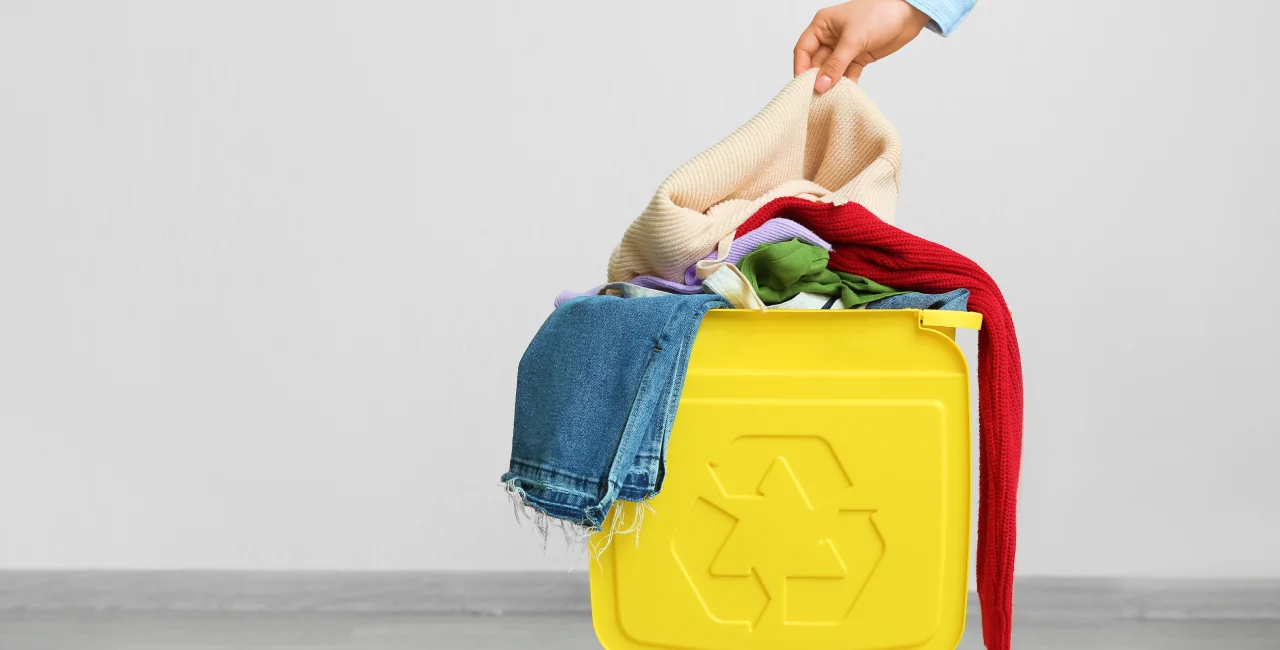

 Summary for: Why your used clothes may not be getting recycled in Czechia
Separate textile collection bins have been mandatory across the Czech Republic since the beginning of 2025, but the infrastructure needed to process what people put into them is still struggling to keep up, according to an analysis by the “Europe in Data” project.
The issue reflects a wider challenge in Czech waste management: collection points are expanding, but the systems needed to reuse and recycle discarded products remain limited.

The Czech Republic produced 538 kilograms of municipal waste per person in 2023, 27 kilograms above the European Union average, ranking ninth among EU member states, according to the analysis. The figure represents a modest improvement compared with previous years, with the country producing 549 kilograms per person in 2022 and 570 kilograms in 2021, based on Eurostat data.

At the same time, the country has made progress in the circular use of materials. The share of recycled materials returning to the economy has increased by nearly one-tenth over the past decade, reaching 14.8 percent. However, the analysis points to continuing obstacles, including insufficient infrastructure, limited processing capacity and low public awareness.
Textile collection is a prime example
A survey by Mendel University in Brno, conducted at the end of 2023 and beginning of 2024 in cooperation with Charles University, found that 37 percent of Czechs buy new clothes at least once a month.
Separate textile bins became mandatory in 2025 following rising clothing consumption.
But the existence of collection bins does not automatically mean that textiles can be recycled.





According to Olga Dočkalová of the Association of Towns and Villages of the Czech Republic, people often place torn or damaged clothing into collection points; material that requires recycling rather than reuse. The problem is that recycling capacity for textiles remains limited.
The same gap between collection and processing can be seen in other areas, particularly with larger household items.
Only 8 percent of furniture returned to circulation
A three-month pilot project called “Furniture in Circulation,” which allowed people to donate used furniture in 2025, collected more than 5,000 pieces. Around one-fifth of the items were assessed as still usable, but only 8 percent were successfully returned to circulation.
The challenge was not a lack of interest from residents, but the practical steps required afterward: transporting, storing and repairing bulky items before they could be reused.
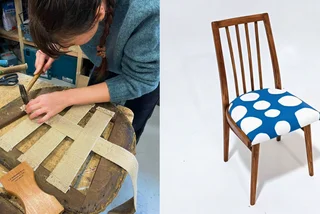

Despite these limitations, reuse initiatives are expanding. According to the first comprehensive report by the Reuse Federation, which brings together reuse centres, furniture banks, charity shops and swap initiatives, the number of items handed over for reuse increased from 222,000 in 2022 to more than 540,000 in 2025.
The figures suggest that public participation is growing, but experts say collection systems need to develop alongside it.
For textiles and other products, the path from disposal to reuse or recycling depends not only on where items are dropped off, but also on whether there is enough capacity to process them afterward.