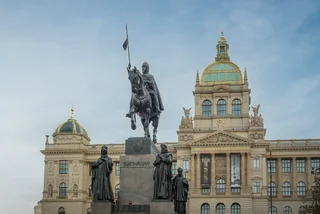
A square in Prague's Nové Město bears his name, and so does a bridge crossing the Vltava. The National Museum, a temple for Czech culture, owes part of its existence to him.
Now, on the 150th anniversary of his death, the museum is opening an exhibition dedicated to intellectual and archivist František Palacký (1798–1876), known as the "father of the nation."
The exhibit opens on April 1 in the museum's historical building and runs through August. English translations will be available throughout.
Palacký as a personality for the ages
While most associate the names of revered authors, painters, and musicians with the 19th-century national revival, it was Palacký's multi-volume history of the Czech nation, first written in German and then in Czech, that served as the foundation for the movement.
The exhibition displays a more human side to Palacký's life, showing him as not just an archivist of the time but a thinker whose ideas remain relevant today.
The exhibition is the first in this year's series of exhibitions focused on history and personalities, said Michal Lukeš, general director of the National Museum.
"It shows Palacký in a way that is understandable and attractive to today's visitors. Not as an iconic monument, but as a person who thought about Europe, society and individual responsibility," he added.
Predicted Russian influence
The exhibit is sure to resonate from a political and historical perspective, particularly when it comes to Central Europe's vulnerability to Russia.
In 1848, when invited to the Frankfurt Assembly to help create a unified German state, Palacký declined. He argued that destroying the Habsburg empire would make Central Europe vulnerable to Russian control.
“If the Austrian empire had not existed for ages,” he wrote, “it would have been in the interest of Europe and humanity to try to create it as soon as possible.” History suggests he was not wrong.
A legacy brought to life via comics, mobile chats
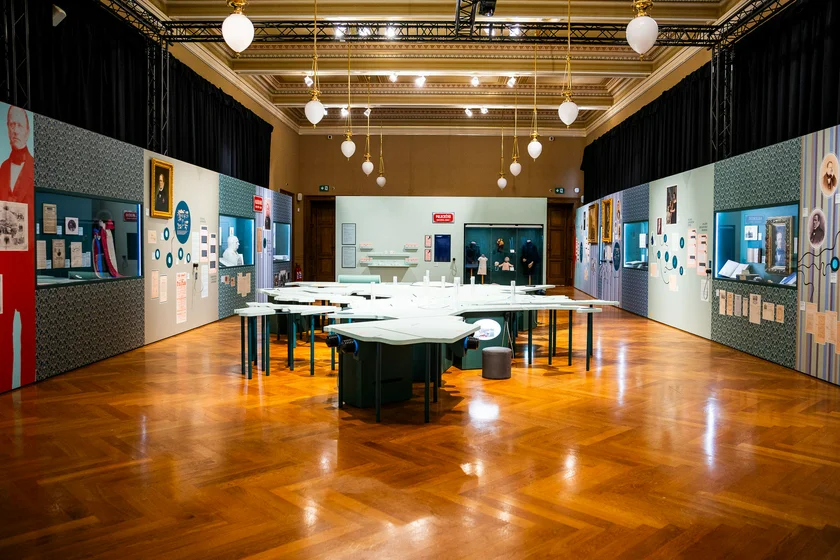
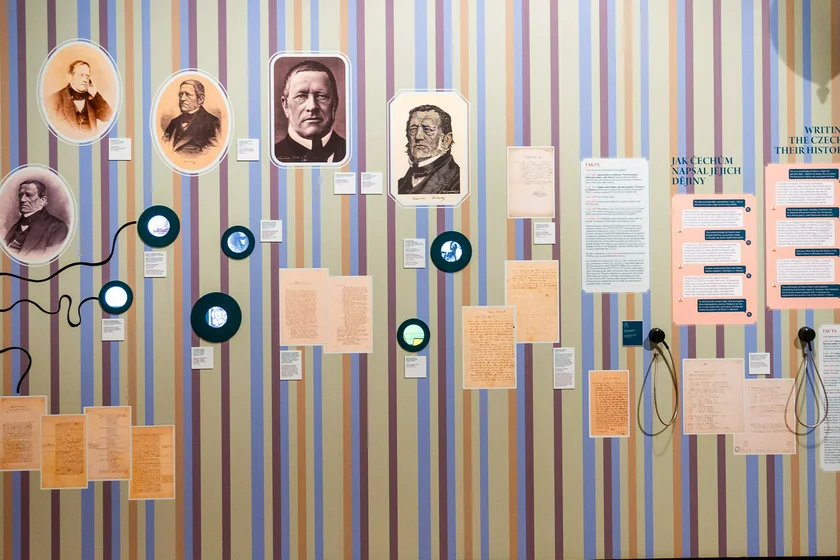
Visitors enter Palacký's world through eight imagined conversations between the scholar and a person from 2026, styled like modern mobile chats. These conversations explore questions about Europe, society, and personal responsibility.
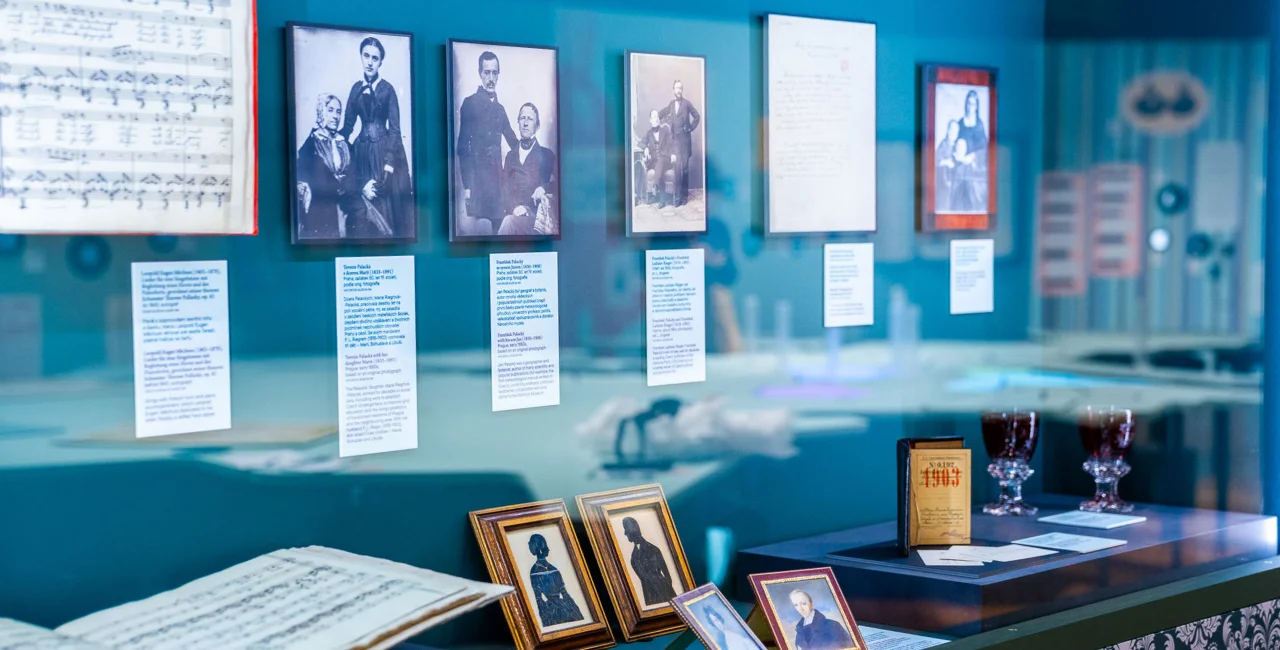
A comic book adaptation, audio recordings of his writings, and personal letters provide new ways to hear his voice.
A large map of Europe traces his travels and the changing borders of his time, while rotating cylinders display period newspapers, offering a glimpse into 19th-century media. Interactive elements demonstrate how Palacký gathered and analyzed information without modern technology.
Among the most personal items are 1,000 volumes from his library, the suitcase he brought to Prague in 1823, glasses, a walking stick, a hat, and a barometer. A reproduction of Max Švabinský's famous portrait completes the display.
For those seeking to understand more about the magnitude of Palacký's contributions to Czech society, he is buried at Vyšehrad, alongside Dvořák, Smetana, Mucha, Neruda, and Němcová, the cultural giants of a national revival his work helped make possible.
František Palacký (1798–1876), National Museum, opens April 1 and runs through August.