



 Reading time: 4 minutes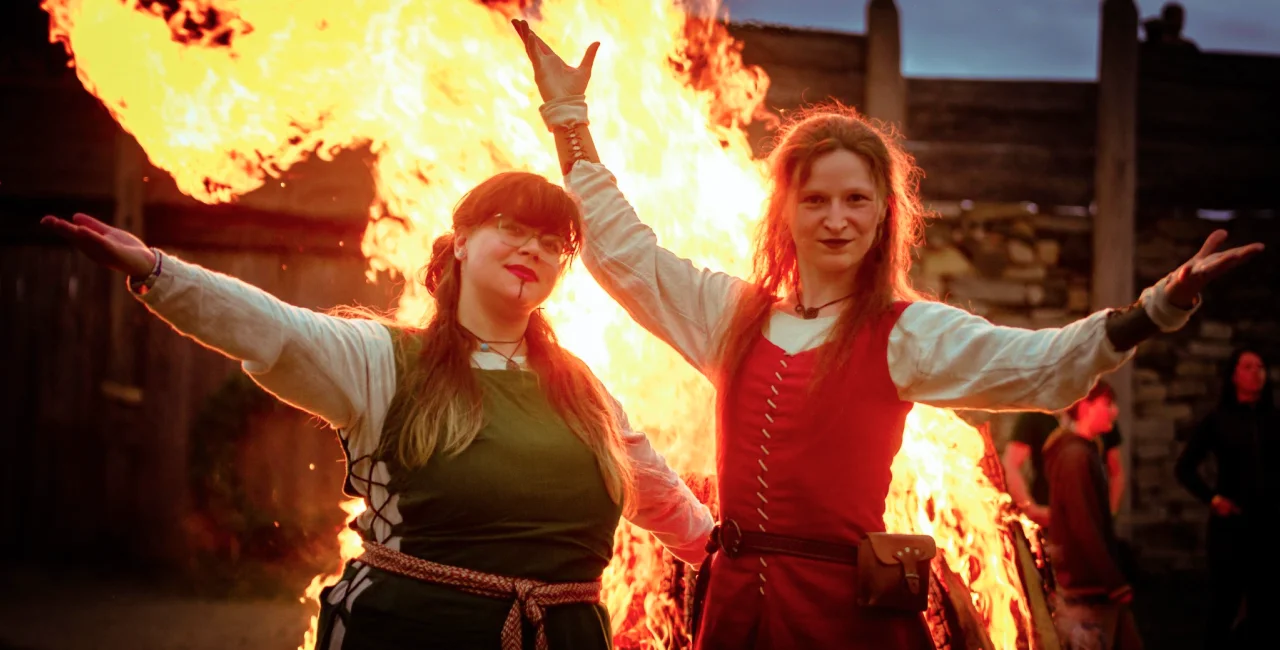

 Summary for: Witches’ Night in Czechia brings bonfires, fantasy balls, and a fiery Celtic festival
April 30 is pálení čarodějnic (Witches' Night) and across Czechia, communities will light bonfires, roast sausages, and burn an effigy or two to mark the end of winter. It's one of the country's most genuinely popular folk traditions, surviving into the present largely intact.
Beyond neighborhood bonfires in city parks, there's more to this holiday, a rite of spring also known as Walpurgis Night or Beltane. This year, dedicated lovers of druids can also visit a pagan spring festival at the country's largest open-air Celtic museum or attend a theatrical "witchcraft gala" in a baroque palace.
Here's where to celebrate the transition from winter to spring, depending on "witch" version appeals to you.
The folk tradition: fire, food, and family
At its core, pálení čarodějnic is a centuries-old spring ritual marking the end of winter. Historically, communities lit large fires to symbolically burn away evil, often represented by a witch effigy. While the original beliefs have largely faded, the tradition itself remains deeply embedded in Czech culture.
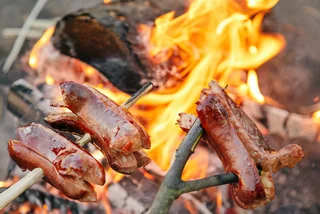
Across Prague and other cities, parks and open spaces observe the occassion with bonfires on April 30 where sausages (Špekáčky) are roasted over open flames with the ceremonial burning of the witch at dusk.
Where to burn witches in Prague
- April 30: The Witches of Lesser Town brings a traditional witch-burning celebration to Kampa Park, featuring a parade from Malostranské Square, children’s activities, live entertainment, bonfires, and a festive evening programme in the heart of Prague’s historic center.
- April 30: Witch Festival at Ladronka Park celebrates Walpurgis Night with bonfires, children’s activities, theatre performances, themed contests, and international food stalls.
- April 30: Břevnov Spring Fair combines a traditional witch-burning bonfire ceremony with a craft and food market, children’s activities, competitions, and live music in the grounds of Břevnov Monastery.
- April 30: Walpurgis Night at Žluté lázně marks the opening of the season with family-friendly outdoor festivities, including children’s competitions, performances, a witch trail, fairground attractions, and an evening bonfire lighting.
In recent years weather has put a damper on the festivities, with winds cause for cancellation but the current forecast point to mostly dry weather across Czechia, with no significant rainfall expected on April 30.

Temperatures are expected to remain unseasonably low, with evening readings dropping toward 10°C and while persistent drought conditions across much of the country mean that fire risk remains elevated according to the Czech Hydrometeorological Institute, fires should take place as scheduled.
A reconstructed past: ČaroBeltine at Země Keltů
For those looking for something more immersive (or who missed Thursday's festivities), the ČaroBeltine festival at Země Keltů near Nižbor on Saturday offers a very different take on the same seasonal turning point.
Rather than focusing on the symbolic destruction of a witch, the event draws on the Celtic festival of Beltane, celebrating fertility, renewal, and the arrival of the lighter half of the year.
Organizers describe it as a creative adaptation of ancient pagan traditions, blending historical inspiration with modern experiential elements.
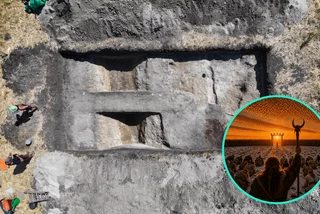
Visitors can explore what is billed as Europe’s largest Celtic open-air museum, spanning nearly three hectares and featuring reconstructions of homes, farm buildings, and shrines based on archaeological findings from across Central Europe.

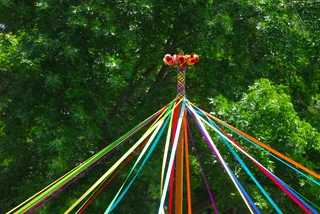
The day includes craft workshops, themed markets, and interactive experiences such as a “Fairy Tea House.” Central to the festival is the raising of the Maypole and a Beltane ritual, culminating in an evening bonfire and live music performances by bands such as Ořešák, Lichočar, and Kalsarikännit.
A torchlit procession adds to the atmosphere, alongside symbolic ceremonies like a “trial handfasting,” presented as a stylized, non-binding ritual performance.
According to organizer Kristýna Prokůpková, Beltane is one of the most important dates in the Celtic “Wheel of the Year,” and its connection to Walpurgis Night runs deeper than it may first appear.
Both traditions centre on fire as a force of purification and transition, whether burning away winter or welcoming new life.
“The ancient Celts lit massive bonfires and used them to cleanse and protect,” she explains. “In Czech tradition, the burning of the witch similarly symbolizes the end of winter, evil, and death.”

The name ČaroBeltine itself reflects this fusion: combining čarodějnice (witch) with Beltane, and drawing on the Czech root čarovat, meaning “to cast spells” or “to make magic.”
Fantasy and spectacle: Mystic Star Ball
At the other end of the spectrum is the Mystic Star Ball, set to take place at Prague's Ornate Martinický palác. Framed as a “Witchcraft Gala,” the event transforms the seasonal theme into an immersive nightlife experience.
Guests are encouraged to arrive in elaborate costumes as witches, goddesses, or other archetypal figures blending fantasy aesthetics with music, dance, and theatrical atmosphere. Here, the ritual elements of the season are reinterpreted as performance and self-expression.
Organizer Markéta Gorolová describes the event as a response to changing audience expectations.
“People today are looking for something deeper than traditional entertainment,” she says. “They want emotion, story, and a shift in perspective.”

She adds that events like this also reflect a growing demand for shared experiences.
“People don’t just want to attend something; they want to feel it and remember it. Fantasy and themed gala events allow them to become someone else or more themselves.”