Turnov’s museum has rejected suggestions that it sells gemstones or minerals of unclear origin, responding to a dispute that has cost the Bohemian Paradise Geopark its UNESCO designation.
The geopark will lose the label at the end of this year after failing to convince the UNESCO Global Geoparks Council that such trading does not take place within its territory.
Museum director Jan Prostředník said Wednesday that its shop buys minerals and rocks only from dealers certified in Czechia. He defended the sales as part of the Turnov region’s longstanding gemstone-cutting and jewelry-making tradition.
Museum cites centuries of local craftsmanship
Prostředník said gemstone extraction and trading have been associated with the region since at least the 16th century.
By the 18th century, local craftspeople were buying and processing stones from around the world, with imported material becoming more significant than locally sourced minerals, he said.
That international trade continues today. Prostředník cited a diamond-cutting workshop operating in Rovensko pod Troskami for more than a century, alongside craftspeople working with stones from Asia, Africa and the Americas.
Turnov’s specialist school for gemstone cutting and jewelry-making was founded 142 years ago, he added.
The museum’s shop supports that continuing craft tradition by selling work made by local stonecutters and jewelers, whose work also appears in its exhibitions.
“Turnov’s museum promotes and supports local gemstone cutters and jewelers,” Prostředník said.
He argued that questions about the legal provenance of traded minerals should be addressed through Czech legislation, rather than treating the museum’s activities differently from those of other businesses and educational institutions using the same materials.
A partnership ended over the sales dispute
The museum ended its cooperation with the geopark in 2019 and voluntarily relinquished its position as a founding institution.
Prostředník said geopark representatives had repeatedly asked it to stop selling geological and mineralogical material.
“We were faced with a choice: end the sale of rocks and minerals, or end cooperation with the geopark,” he said. The museum chose to retain the sales in recognition of local traditions.
That separation did not resolve the issue for the UNESCO Global Geoparks Council.
Geopark director Jana Lebedová told ČTK on Tuesday that ending the partnership had been insufficient. In her account, the council would have preferred the geopark to ensure that the museum stopped selling the material.
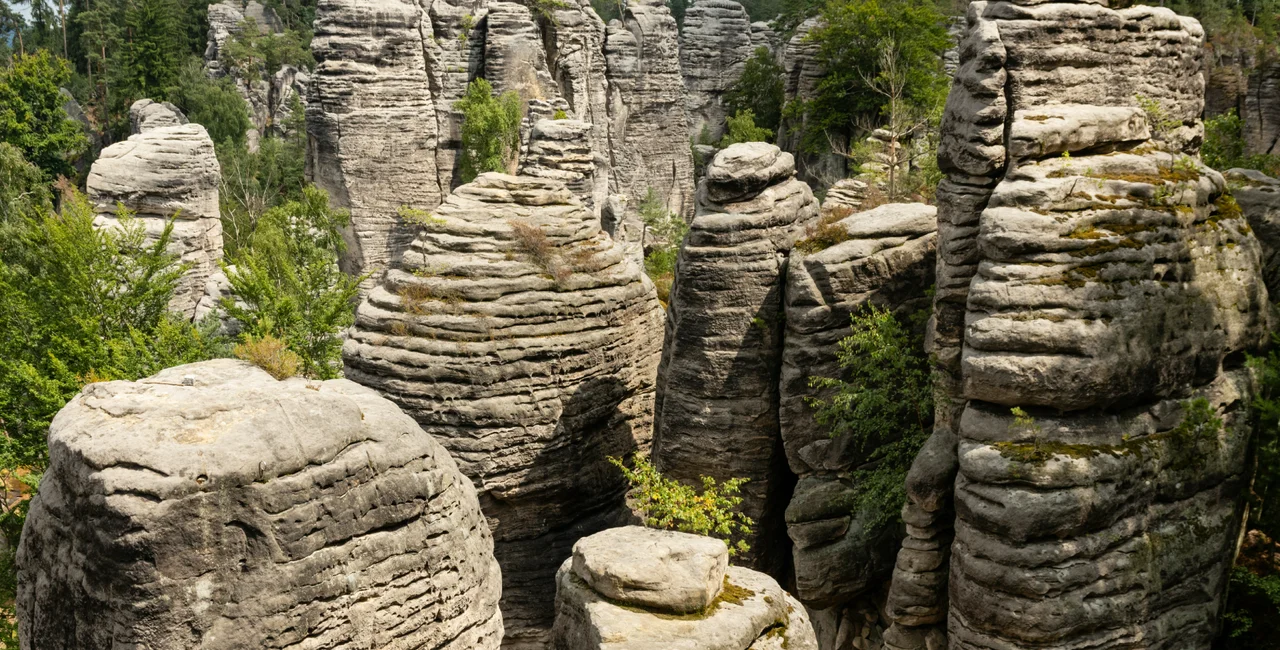
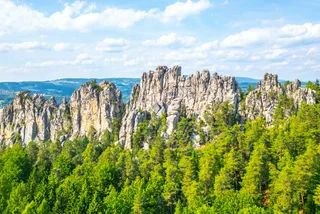
The geopark has held the UNESCO designation since 2015. Its forthcoming loss concerns that specific status, rather than the disappearance of the Bohemian Paradise landscape or its visitor attractions.
The dispute leaves the museum defending the legitimacy and cultural role of its shop, while the geopark faces the consequences of requirements it could not persuade the council had been met.