Reading time: 2 minutes
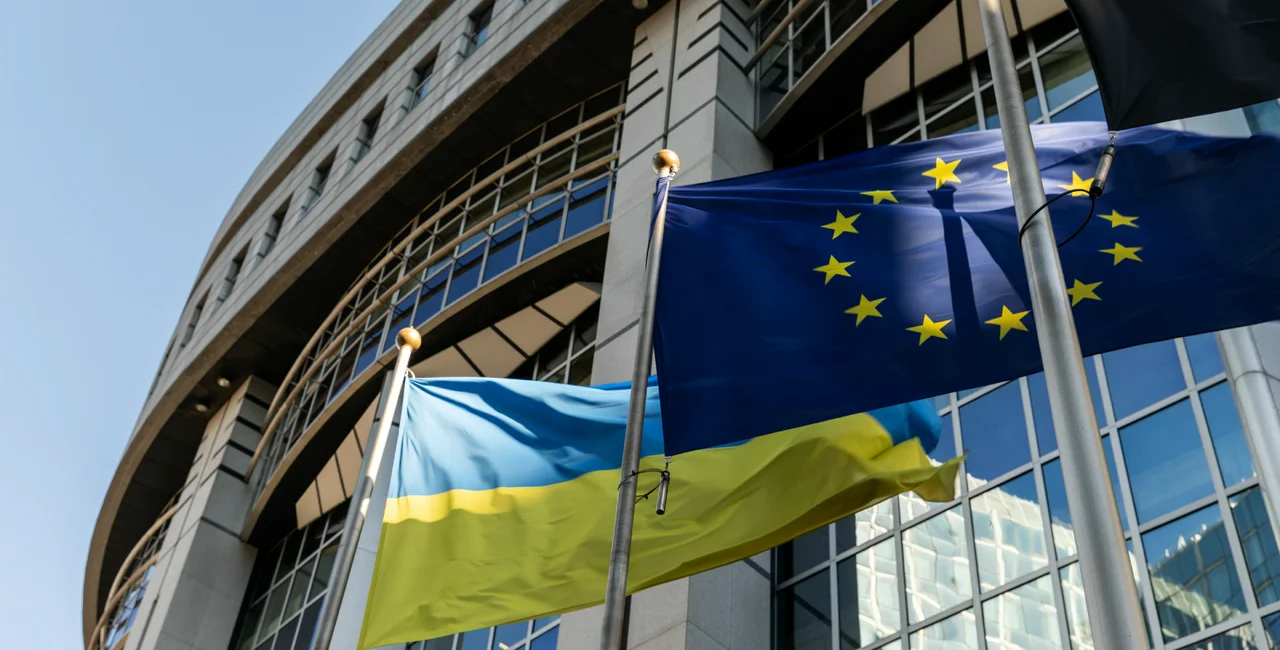

 Summary for: Czechia’s Ukraine loan opt-out could complicate EU budget talks
Czechia and Slovakia have signaled that they do not want to participate in a proposed €45 billion EU loan for Ukraine, according to Politico—a position that could complicate negotiations over the bloc’s next long-term budget.
EU countries aim to agree on the new financing by the end of the year. A loan backed by the current EU budget is emerging as the most likely option for helping Ukraine cover its financial needs in 2027, ČTK reported, citing Politico’s diplomatic sources.
PARTNER ARTICLE

The talks are also exposing a broader disagreement: some of Ukraine’s biggest supporters are questioning why they should back requests for more EU development funding from countries unwilling to share responsibility for financing Kyiv.
Another loan, another Czech opt-out
The proposed €45 billion package, worth approximately CZK 1.1 trillion, would cover roughly two-thirds of the additional €70 billion Ukraine says it needs for its defense next year.
European Commission President Ursula von der Leyen acknowledged that funding gap after October’s EU summit. The bloc is seeking contributions from partners including Britain and Canada, while some member states have again raised the possibility of using frozen Russian assets. Belgium, where most of those assets are held, remains opposed.
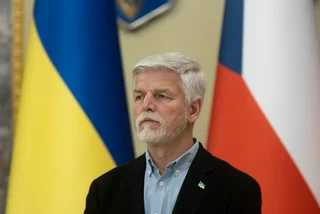
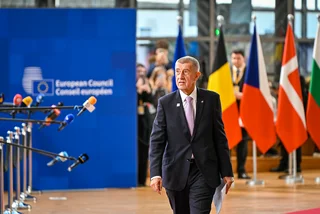
According to Politico, Czech and Slovak representatives indicated at the October summit that they would not participate in the new loan. Two diplomats told the outlet that Hungary would likely take the same position.
That would repeat the approach taken to the €90 billion Ukraine loan agreed by EU leaders last December. Czechia, Slovakia and Hungary declined to participate in its guarantees.
The new proposal remains under negotiation. EU leaders are expected to discuss financing options at an extraordinary summit in Brussels on Nov. 26–27, with the European Commission preparing a document setting out possible approaches.
Ukraine aid becomes an EU budget bargaining point
The negotiations coincide with talks over the EU’s 2028–2034 budget, creating potential consequences beyond the Ukraine package itself.
According to Politico, major supporters of Kyiv have warned that they could be less willing to support demands from the “Friends of Cohesion” group for increased agricultural and cohesion funding if some countries fail to show solidarity with Ukraine.
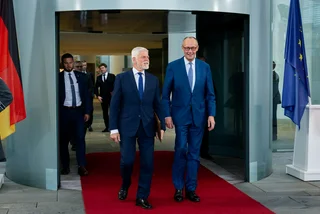
Cohesion funding supports development and seeks to reduce economic differences between EU regions. The reported warnings concern support for future budget demands; they do not amount to an agreed cut in Czech funding.
One German diplomat questioned whether taxpayers would accept sending more money to cohesion funds for countries refusing to contribute to Europe’s collective security.

Another diplomatic source cautioned against treating the two priorities as competing demands. Finding money for Ukraine while making substantial cuts to policies benefiting Europeans would be politically difficult to explain, the source said.
For Czechia, the coming negotiations could therefore involve more than whether to help guarantee another loan. Its position on Ukraine financing may also influence how receptive other governments are to its priorities in the next EU budget.