 Reading time: 5 minutes

 Summary for: Burnout abroad: How work, isolation and culture shock can add up in Czechia
For international residents in Czechia, many seemingly small moments can feel isolating. Sometimes it hits when the lunchtime conversation with coworkers slides into Czech, when time-zone differences complicate remote work, or you’re trying to figure out how to wrangle a stroller up the steps of a tram.
Burnout is a long-term physical and emotional exhaustion, typically caused by workplace stress. The condition is growing in Czechia, and if you haven’t yet mastered the language or your support system is limited, it’s easy to feel it.
Originally from the U.S., Aaron Gil moved from California to Czechia in 2020 during the pandemic. The aim was to be closer to his Czech fiancee, but he wasn’t exempt from the toll the culture shock took on his mental wellbeing. He’s now a therapist at Unicare Medical Center’s PSYMED clinic, where his experiences help support the rising international community.
Aaron Gil Therapist, PSYMED, Unicare Medical Center"Being an expat in a blended family myself, I often find I can relate to expat patients here on a more personal level."
For those struggling to tell the difference between a difficult period and burnout, finding support in English can present another challenge. Unicare plans to expand its PSYMED department in early 2027, increasing access to mental health services for international patients. Here’s how to recognize the signs of burnout, and when everyday stress may require professional support.
What does burnout look like?
“Burnout is sneaky,” says Gil. “It is subtle in its early stages and increases in severity gradually, so people frequently dismiss the early signs as ‘just a difficult project’ or ‘a rough patch’.”
Feeling exhausted rather than tired, experiencing a spike of anxiety when a phone call or an email notification comes in and dreading going into work each morning, are all concrete signs according to Gil. If work-related stress begins affecting someone’s personal or professional life, he says it may be time to seek support.
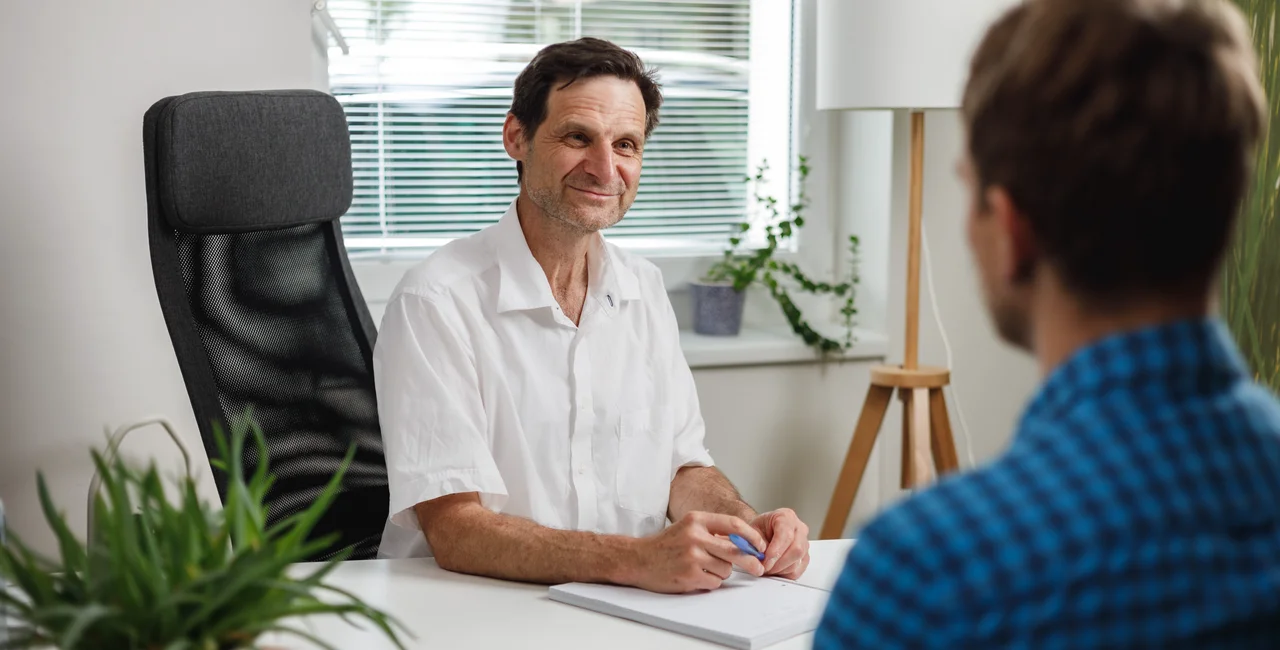
Ondřej Masner, MD, a general practitioner specializing in psychosomatic medicine at Unicare, also has experience building a life as a foreigner. Originally from Czechia, he studied medicine in Switzerland and worked with German, English and French speakers.
Ondřej Masner, MD General practitioner specializing in psychosomatics, PSYMED, Unicare Medical Center“I have a reasonable idea of what it is like to try to explain what is wrong with you in a healthcare system that is not the one you grew up in."
Masner, one of a very small number of doctors in Czechia holding certification in psychosomatic medicine, points to the mind-body connection in that process and how it can confuse those suffering symptoms, as diagnostic tests come back negative.
“Psychosomatic does not mean the symptoms are in your head, or made up,” he explains. “They are real, true physical symptoms, but rooted in the psychosocial context rather than the biological one.”
“Those symptoms can take many forms,” Masner says, “but they most often include headaches, back pain, abdominal pain, breathing problems, heart palpitations, digestive issues and skin conditions.”
Why can living abroad make it harder to recognize?
According to EU-OSHA's OSH Pulse 2025 survey, 29 percent of workers in the EU report stress, depression or anxiety, while 37 percent mention overall fatigue. More than 40 percent cite severe time pressure, and close to 30 percent report poor communication or cooperation at work. All these numbers stress what a serious issue burnout is.
For international residents, work pressure may be compounded by the practical and emotional demands of living abroad. The language barrier is just one pressure international residents may carry into their daily routine. Visa appointments, unfamiliar healthcare systems, distance from family and the effort of building a life in another country can leave people, as Gil puts it, “already below 100 percent before the working day has even started.”
Remote work can deepen the problem. “In the work-from-home world we now live in, many expats respond by retreating into their flat altogether. This makes social isolation worse rather than better,” Gil explains.
“Although burnout is usually tied to the workplace, similar patterns of exhaustion can occur outside employment,” Masner says. “A mother at home with a newborn can suffer something that looks and feels very much like burnout, even though it is not tied to a job.”
“In an expat context that matters,” he emphasizes, “because the accompanying partner who gave up their own career to move here and now spends the day alone with a small child in a country whose language they don’t speak, is in exactly that position.”

What support is available?
As with any growing medical condition, the sooner treatment is sought, the easier it is to address. Both specialists also stress that there’s often no single, magic pill for burnout relief, but rather it’s a multi-faceted process that can include a range of treatments.
“Therapy is always a good place to start,” says Gil, “and depending on the severity of symptoms, psychiatric support may be recommended.”
In extreme cases, a temporary leave of absence might be appropriate. But in many cases, adjustments at the workplace can do much to help. “Some people benefit a great deal from coming into the office only a few days a week, for example,” he notes.
Addressing burnout can take time, particularly as people learn to set and maintain limits inside and outside the workplace.
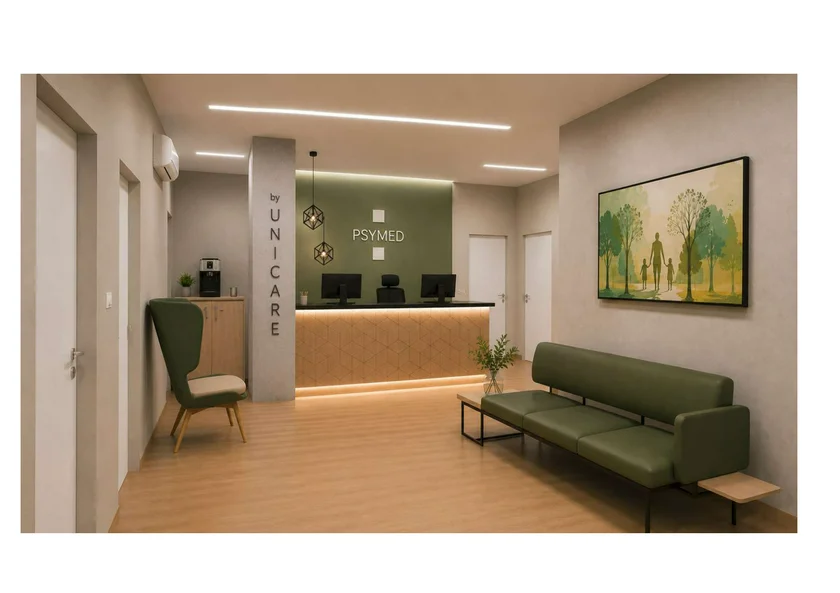
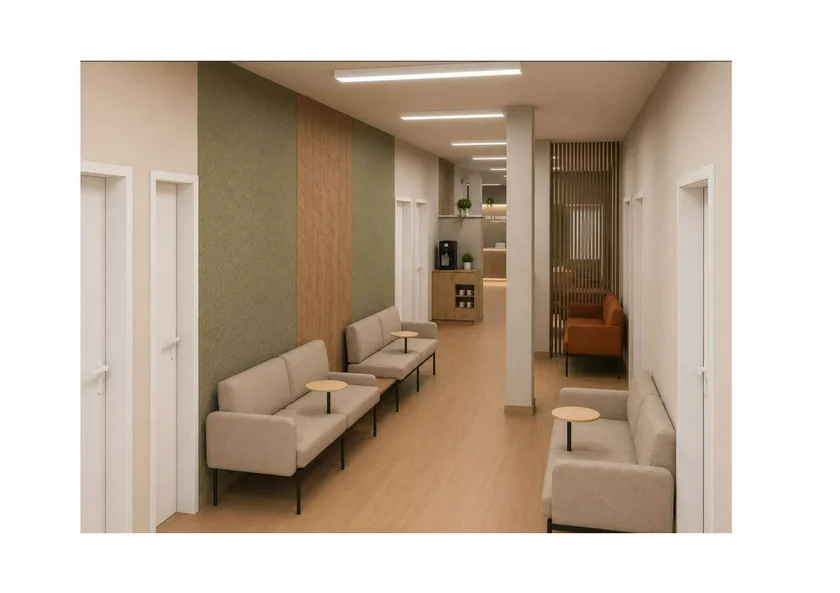
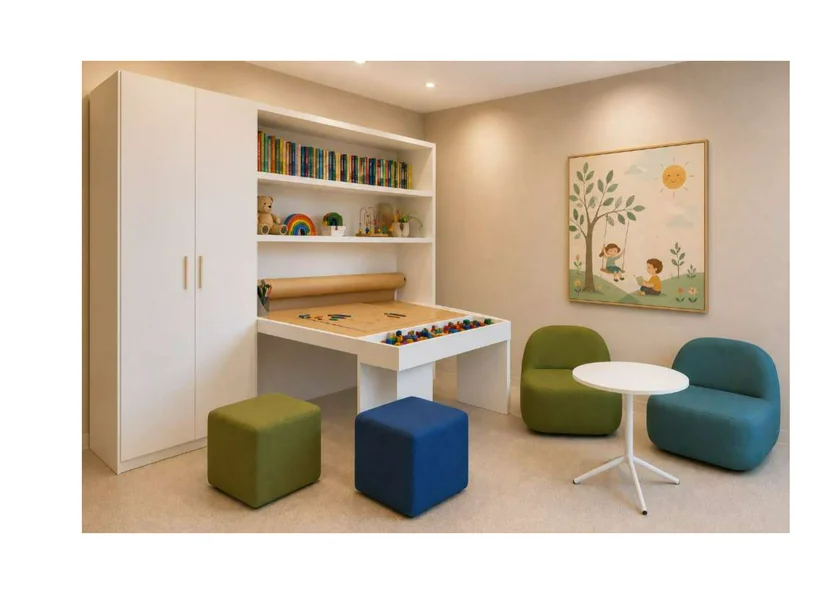
In early 2027, PSYMED plans to move into newly built premises within Unicare’s existing Prague 6 location. The expansion will increase its capacity from six to 10 consulting rooms and broaden the complexity of care, in particular strengthening psychodiagnostics, providing child psychiatric care and offering group therapy for people facing difficult life situations.
With Unicare, patients can access therapists, psychiatrists, psychologists and other medical specialists at the same location. “For a patient, having all of that in one place is a real advantage,” Gil emphasizes, “particularly if you have spent the past two years being sent from one specialist to another in a language you are still learning.”
A new PSYMED care coordinator will manage patient onboarding, initial triage and specialist matching. At a first appointment, a specialist will assess the patient’s condition, discuss their expectations and recommend a treatment plan.
While the unique challenges of living and working abroad can easily lead to burnout and isolation, early recognition and accessible support make a crucial difference. With integrated, English-speaking care and expanded mental health services at Unicare's PSYMED clinic, international residents in Czechia have a reliable pathway to restore balance and well-being.
Patients can book an appointment the following ways:
- Fill in the Booking Form on their website and the PSYMED team will contact you as soon as possible.
- Call +420 235 316 360 and make an appointment over the phone.
- Send an e-mail to reception@psymed.cz and they will reply with the nearest available dates.