

Czechia still bars single women from IVF: Here's who qualifies and what may finally change

A collapsing birth rate could change access to fertility treatments. What you need to know about costs, coverage, and what comes next.

Julie O'Shea

Written by Julie O'Shea Published on 18.05.2026 15:51:00 (updated on 18.05.2026) Reading time: 4 minutes

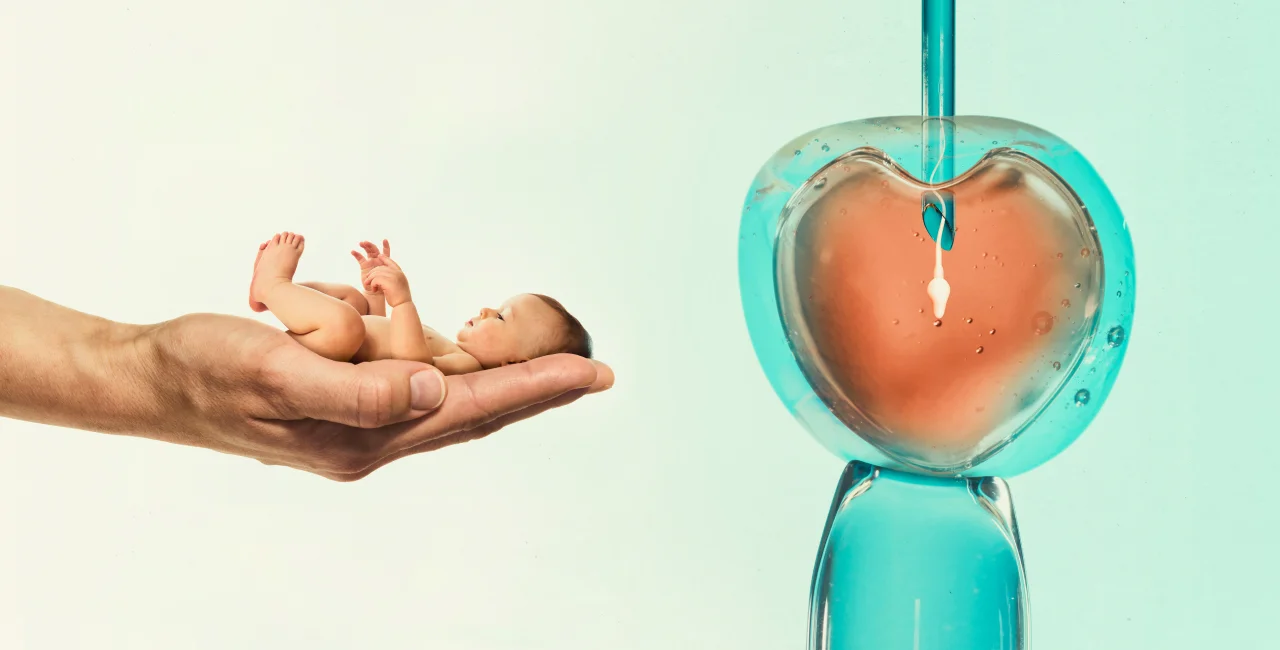
Czechia has become one of Europe's biggest fertility destinations. Women travel here from Germany, Austria, and the UK for fertility treatment that is often cheaper, faster, and less restrictive than at home. Nearly one in 10 babies born in the country is now conceived through assisted reproduction.

But the healthcare system still excludes entire groups of people. Single women and same-sex couples cannot legally access in vitro fertilization (IVF) and artificial insemination under Czech law, which defines assisted reproduction as care for a heterosexual couple only.

Last year, only 77,600 children were born in Czechia, the lowest number recorded since 1806, according to preliminary data from the Czech Statistical Office. That demographic crisis is now pushing politicians to act.

At a recent government conference, doctors, ministers, and Prime Minister Andrej Babiš openly discussed loosening IVF rules for single women, after years of political silence on the issue.

Babiš has repeatedly warned that the falling birth rate threatens the future workforce and pension system. The debate, however, carries significant political baggage: his Hartenberg investment group owns dozens of fertility clinics across Europe.

Here's where the law stands now, and what may be coming next.

Every business has a story. Let's make yours heard. Click here