The next parliamentary reading of the government’s controversial plan to abolish Czech television and radio license fees could take place in January, a coalition minister said Thursday.
Boris Šťastný, minister for sport and head of the Motorists’ parliamentary group, outlined the possible timetable ahead of a meeting of the Chamber of Deputies’ media and culture committee. The committee is expected to suspend its discussion of the bill and return to it later.
PARTNER ARTICLE
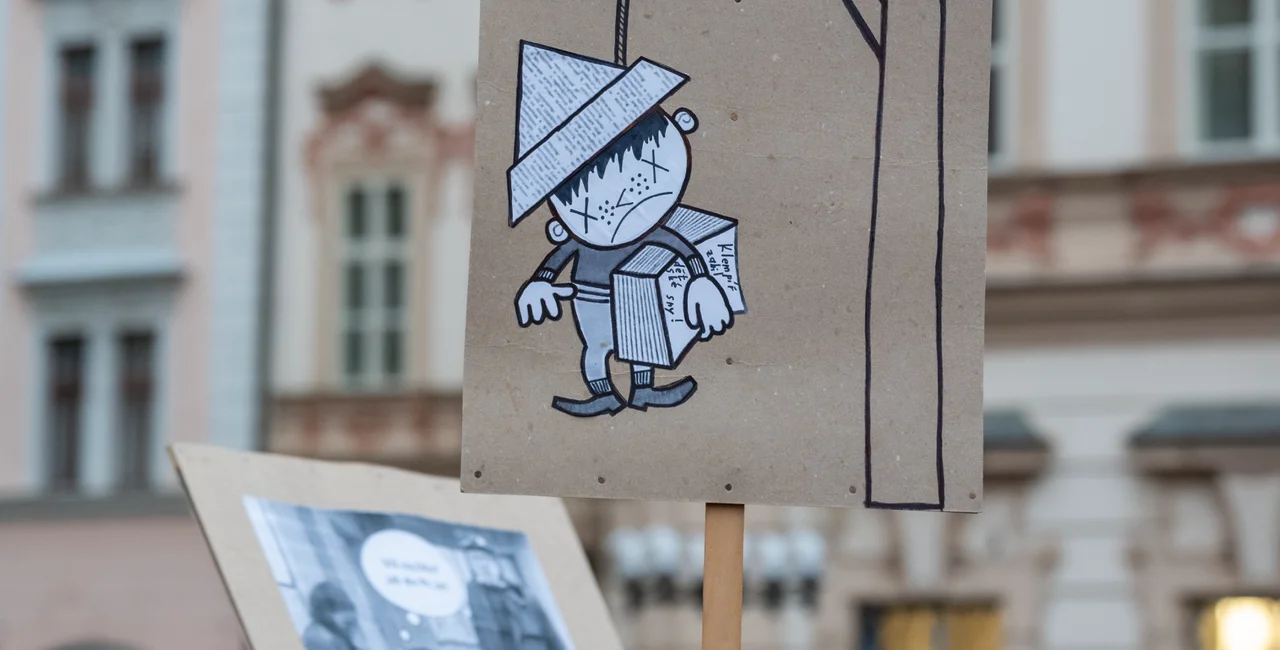
The prospect of further talks follows an accelerated first reading early Saturday that triggered demonstrations and strike announcements. Neither a January debate nor the committee’s expected adjournment constitutes a withdrawal of the proposal.
Coalition minister promises time for hearings
Public interest prompted Thursday’s committee meeting to move into the Chamber’s main debating hall. Committee chairman František Talíř expected proceedings to continue into the evening.
Šťastný said both supporters and opponents should have an opportunity to present their arguments. He envisaged roundtables, seminars and public hearings over the coming months.
“For the Motorists, I want to say that I will certainly support giving the bill enough time in the second reading—even a whole week—so everyone can speak and submit amendments,” he told reporters.
He suggested that the second reading could take place in January if proceedings remained calm. That was a possible timetable, rather than an announced parliamentary date.
Foreign Minister and Motorists leader Petr Macinka also attended. He said the party was not considering an alternative to abolishing the fees, pointing to the commitment in the government’s policy statement.
Funding cuts remain at the center of the dispute
The proposal would replace license fees with state-budget financing for Czech Television and Czech Radio.
Under the current draft, Czech Television would receive CZK 5.74 billion next year, approximately CZK 1 billion less than its expected fee collections this year. Czech Radio would receive CZK 2.065 billion, around CZK 400 million less.
The allocations would return funding to levels preceding the fee increases and expansion of the payer base introduced under former Prime Minister Petr Fiala’s government.
The governing coalition advanced the bill through its first reading at 4:36 a.m. Saturday. Its unexpected addition to the agenda and restrictions on debate intensified opposition to the changes.
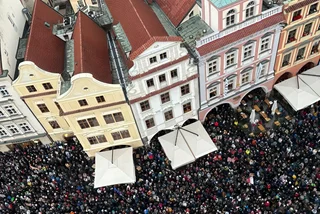
Thousands demonstrated in Czech cities on Wednesday’s national holiday. A student platform announced a Nov. 3 strike, coinciding with the all-day action planned by employees of both broadcasters.
Thursday’s committee agenda also includes the State Audiovisual Fund, changes to cultural grant conditions and expert commissions, and cultural budgets. Culture Minister Oto Klempíř attended, while his predecessor Martin Baxa described developments at the ministry as “destruction.”
The bill remains under consideration. Television and radio license fees have not yet been abolished.