



 Reading time: 2 minutes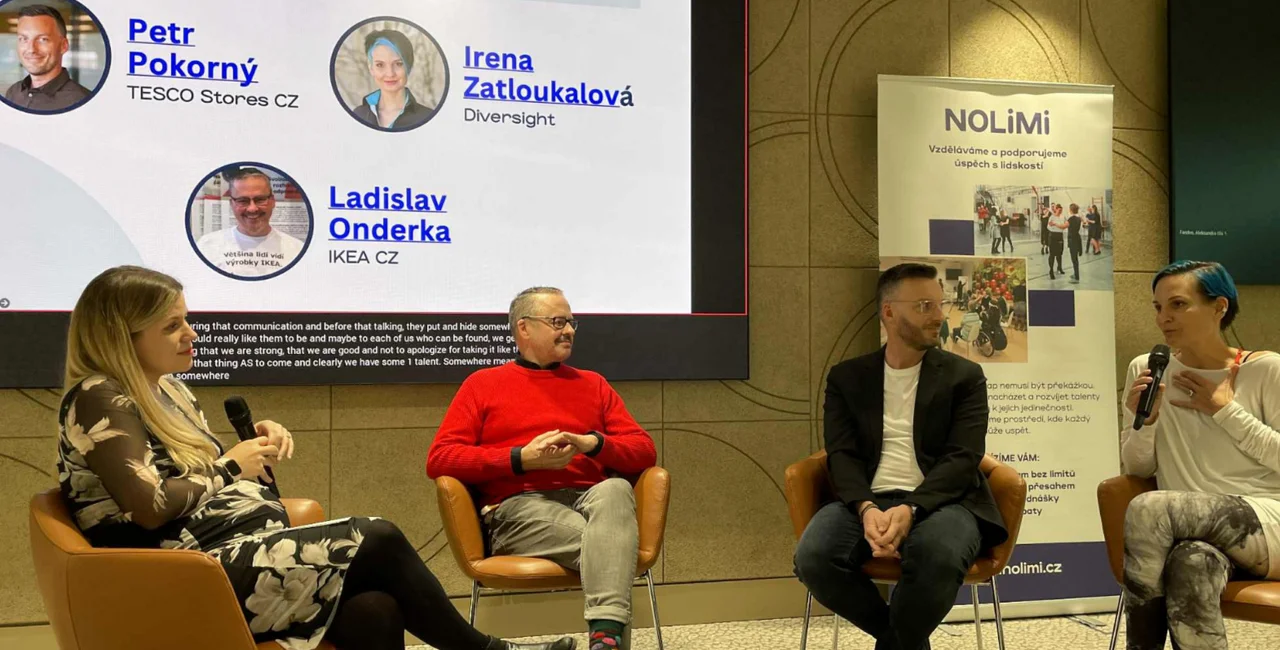

 Summary for: Prague speakers address disability and employment: ‘It's worth it for all. Let's not be afraid of it.'
What does inclusive work look like in everyday practice, and how can workplaces respond when employees’ needs change over time? These questions shaped SpoluPráce bez limitů, an event held in Prague on Dec. 10 that focused on employment and disability in Czech workplaces.
Under changes to Czech law that took effect on Jan. 1, 2025, employers with more than 25 staff are required to ensure that people with disabilities make up four percent of their workforce. Yet despite this update, many still feel the changes haven’t addressed larger issues in the system.
Employing people with disabilities is like a relay race, where we pass the baton with schools, the Labour Office or employers,” Lucie Kroftová, organizer of the event, mentioned in her LinkedIn post recapping the event. “Handover is key!”
The discussion was grounded in lived experience rather than policy alone. Eleven speakers participated, including individuals with disabilities, employers, nonprofits, universities, and public institutions. Many work closely with international teams, making the conversation especially relevant for expats employed in Czech companies or managing diverse workplaces.
Communication and connection as a starting point
A recurring theme that came up was communication. Speakers stressed that setting job expectations, working conditions, and support needs clearly from the outset reduces uncertainty for both employees and employers. Several noted that most people who acquire a disability during their lives want to return to work, and in many cases, barriers come from inflexible systems rather than from a lack of skills or motivation.
The connection between employers and candidates was another focus. Moving from interest to employment was described as the most difficult step, as Kroftová noted: “It is important to understand the motivations of people with congenital or acquired disabilities and their approach to work.”
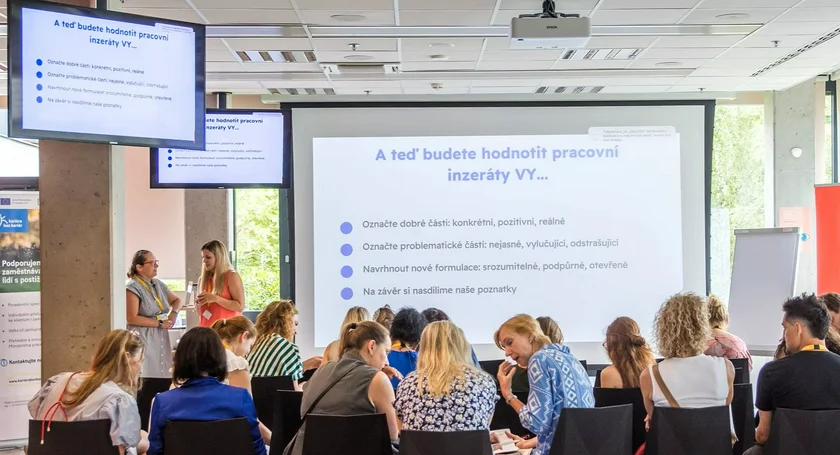
Universities, the Labor Office, and nonprofit organizations were highlighted as key partners that can help guide both sides through this process. For expats navigating Czech institutions or unfamiliar employment regulations, these intermediaries often play a crucial role.
Changing attitudes in the workplace
Speakers also addressed broader social attitudes. Stigma and assumptions still influence hiring decisions, creating challenges for people with disabilities and for employers who want to hire inclusively. Several participants said that once practical adjustments are discussed openly, fear and hesitation tend to decrease. Individual differences were treated as normal. Everyone brings different strengths, and workplaces function better when those differences are recognized and accommodated.

Organizers said there is growing interest in continuing the discussion, with plans to involve more people with disabilities as speakers to better reflect real workplace needs and lived experience.
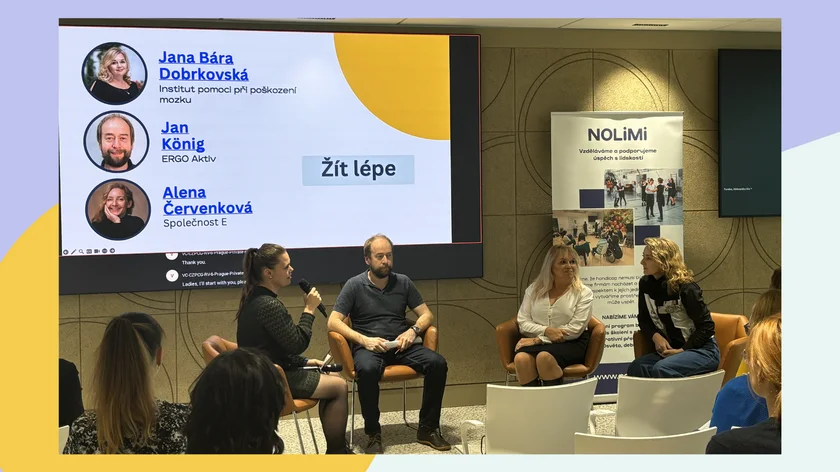
"The vast majority of people with acquired disabilities want to work again,” Kroftová stated. “Let's take the employment of people with disabilities as an opportunity, for individuals, for employers, for society. It's worth it for all of us, so let's not be afraid of it.”
The event was supported by MSD, which provided the space and assistance that made the discussion possible.