



 Reading time: 2 minutes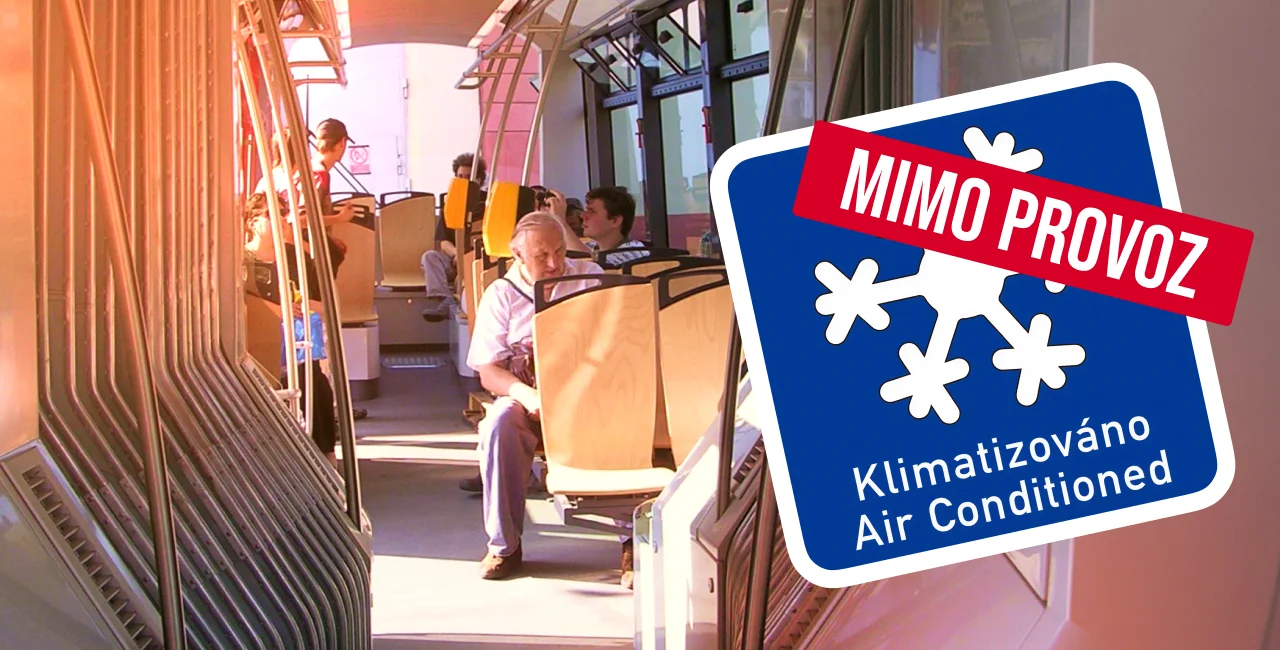

 Summary for: Prague commuters face sweltering trams as drivers warn of broken AC
Prague tram drivers who posted handwritten warnings about broken air conditioning have been told to stop using unofficial signs, as passengers continue to struggle with overheated vehicles during the city’s heatwave.
Some drivers of newer Škoda 15T facelift trams began placing notices in their cabins explaining that the cooling systems were not working, after facing repeated complaints and angry demands from passengers to switch on the air conditioning.
The issue is not limited to one part of Prague. Drivers who spoke to iDNES.cz said they had encountered problems with 15T facelift trams from several depots, including Motol, Vokovice, Žižkov, and Pankrác.
“Air conditioning does not work, cannot be turned on”
The signs included messages such as “Air conditioning does not work, cannot be turned on” or explained that cooling was unavailable in one section of the tram but working in another.
The Prague Public Transit Company (DPP) said passenger communication must follow official procedures and that drivers should not create their own notices. However, the issue has renewed debate over how clearly passengers are informed when climate systems fail.
DPP spokesperson Daniel Šabík said tram air conditioning faces difficult conditions during summer operations. Vehicles can run for up to 14 hours a day and stop about every 500 metres, with doors repeatedly opening and allowing hot air inside.
Why Prague trams struggle with AC
- Which trams are affected? The issue concerns Škoda 15T facelift trams, with drivers reporting problems across several depots, including Motol, Vokovice, Žižkov, and Pankrác.
- Drivers’ view: Some drivers say certain trams have been running with faulty cooling systems for weeks despite problems being reported internally. They point to repair delays and possible spare parts issues.
- DPP’s explanation: The Prague Public Transit Company says many failures during extreme heat are temporary shutdowns caused by overheating protection systems.
- Why does AC struggle? Cooling units sit on tram roofs in direct sunlight and must work at maximum capacity during long shifts. Trams can run up to 14 hours a day, stopping frequently and repeatedly letting hot air inside.
- What happens when AC fails? Drivers are required to report faults to dispatch, which decides whether a tram should be replaced depending on operational conditions.

“When the doors open, hot air flows in and the air conditioning has to cool the interior again,” Šabík said.
DPP says most AC problems are temporary failures caused by overheating units. Some drivers and maintenance workers, however, say certain problems can last longer.
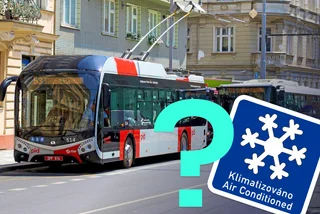
Transport supporters have suggested a compromise: standardized official notices informing passengers when cooling is unavailable and allowing windows to be opened where possible.