Reading time: 2 minutes
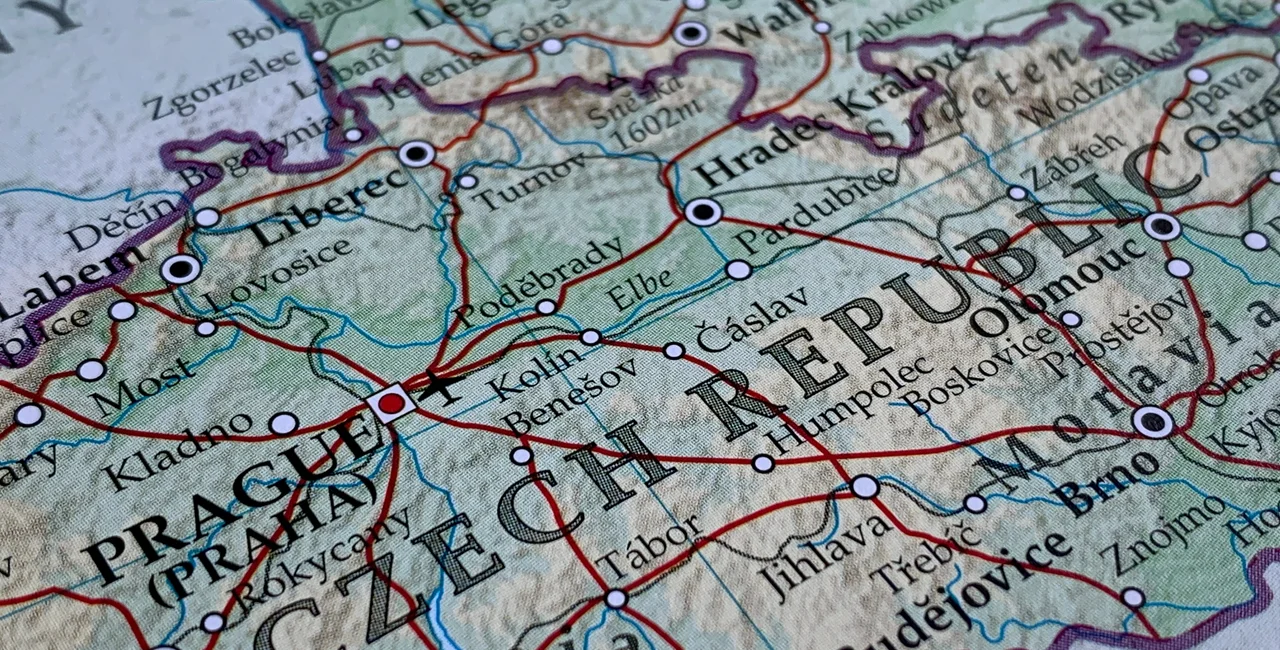

 Summary for: Czechia is at risk of migration pressure, according to new EU assessment
Czechia could request a full or partial reduction in its contributions to the EU’s migration solidarity mechanism after the European Commission recognized the cumulative impact of migration on the country, particularly its reception of Ukrainian refugees.
In its second annual migration assessment, released Nov. 6, the commission also newly classified Czechia as a country at risk of migration pressure. That designation gives it priority access to EU support tools.
PARTNER ARTICLE

The two classifications serve different purposes. Neither amounts to an automatic exemption from solidarity contributions or an immediate award of funding.
Ukrainian refugee arrivals underpin potential relief
The EU’s solidarity mechanism is part of the migration and asylum pact. It is designed to help member states facing a disproportionate migration burden, with other countries able to contribute through asylum-seeker relocations, financial assistance or other measures.
Member states can choose the form of their contributions.

According to the commission’s assessment, Czechia is among six countries facing a “significant migratory situation” because of migration’s cumulative impact over the past five years. The others are Austria, Bulgaria, Croatia, Estonia and Poland.
For Czechia, the assessment particularly reflects the large number of people granted temporary protection after fleeing Russia’s invasion of Ukraine.

Countries in this category can ask the Council of the EU to approve a full or partial reduction in their solidarity contributions for the coming year. Czechia’s classification therefore opens the way to a request; it does not mean a reduction has already been granted.
The size and form of national contributions will now be negotiated by member states. Detailed proposed contributions are contained in a nonpublic document accompanying the report, with an agreement expected most likely at December’s meeting of EU interior ministers.

New risk designation brings priority access to support
Czechia is also among 15 countries the commission considers at risk of migration pressure.
That forward-looking category considers factors including irregular arrivals, unauthorized movements between member states, asylum applications and the number of people receiving temporary protection.
It gives countries priority access to EU tools for managing migration and means the commission will monitor their situation. It does not automatically provide funding or reduce solidarity contributions.

Separately, the commission identified Greece, Cyprus, Italy and Spain as currently facing migration pressure, making them eligible for solidarity support provided they continue meeting their own responsibilities under EU asylum rules.
The report also described an improving overall EU migration situation. The commission said irregular crossings of the bloc’s external borders had fallen by more than half over the past two years, while asylum applications declined by 19 percent in 2025.
EU Home Affairs Commissioner Magnus Brunner attributed the changes to stronger border protection, migration diplomacy and changes to the legal framework.