



 Reading time: 2 minutes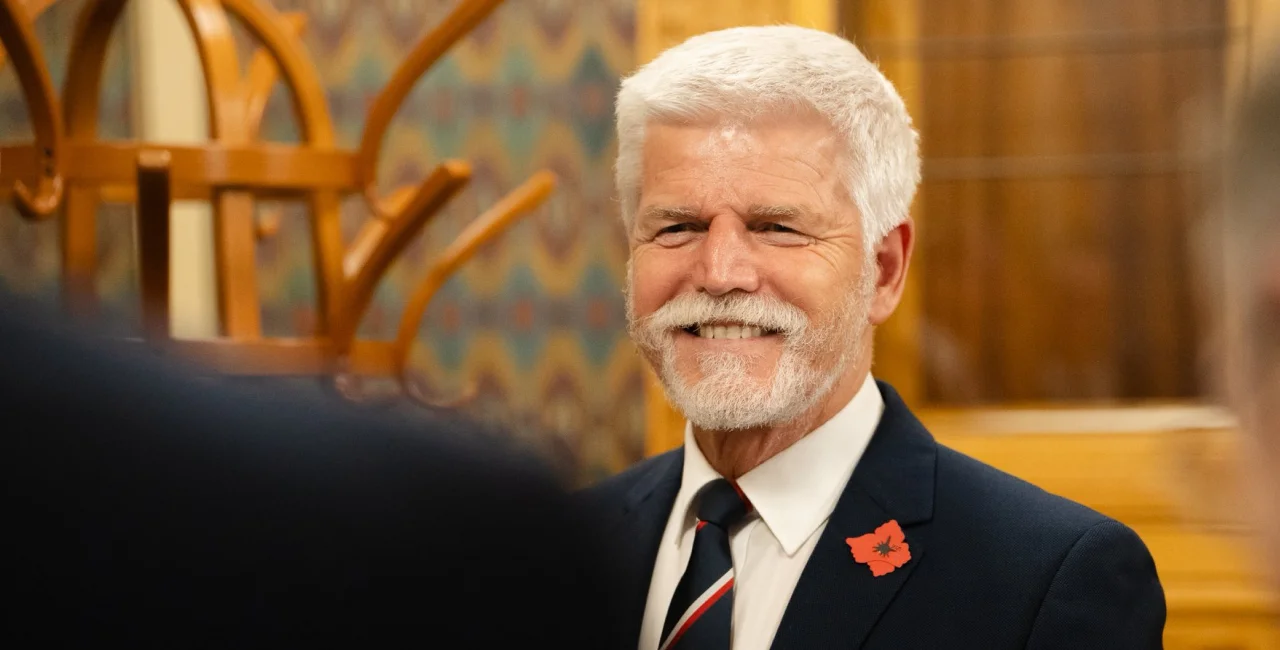

 Summary for: Poll: Most people in Czechia want four more years of President Petr Pavel
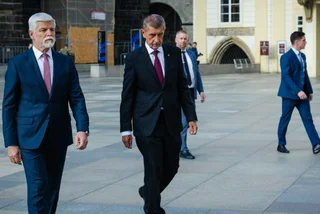
Czech President Petr Pavel appears headed for a second term at Prague Castle, with almost two-thirds of respondents in an October poll leaning toward the incumbent over a slate of other well-known figures, including likely next Prime Minister Andrej Babiš, a new STEM/MARK poll has revealed. Czechia’s next presidential election is scheduled for 2028.
In office since 2023, former head of the NATO Military Committee and staunch supporter of Ukraine Pavel was favored highly by 37 percent of respondents, with another 21 percent saying they may vote for him in 2028.

Babiš, leader of the ANO populist party and a right-wing businessman who lost to Pavel in the 2023 presidential election, came in third, trailing television moderator and musician Marek Eben, according to the survey of 1,000 people. However, as the ANO leader is poised to become the country’s next prime minister following the party’s October election victory, the likelihood of him running is slim.
Next president must be neutral, rational
The poll suggests voters are looking for an independent, Western-leaning head of state who transcends the political battles that have often obstructed parliament. Pavel, whose duties include appointing the next premier, is rated the second-best post-communist president, behind Václav Havel, according to the poll.
“The vast majority of respondents agreed that the president should not use vulgar language, should regularly visit people in the regions, and present his views," said STEM/MARK’s Jan Burianec.
The ideal future president, according to Czechs, should be right-minded, well-educated, and have a pristine public image. Respondents expect him to have practical political experience, though those polled said they would prefer if he ran as a non-partisan independent, free from any previous political ties and lobbyists.
Female candidates have chance
Since 2019, there has been an increased call for more female representatives in political leadership roles, and voters do not rule out a woman as president if she fits the preferred criteria.

If so, the potential female candidate could perform competitively and have the power to draw more passive voters who usually participate only sporadically or not at all, according to the survey.
Most know what the president does
The poll also found that about one-eighth of those able to vote are unfamiliar with the president’s duties, while one-seventh are well-informed. The Czech president’s responsibilities include appointing and recalling the government, assembling the Chamber of Deputies, representing the state abroad, sending bills back to parliament, and signing laws. Other responsibilities include serving as commander-in-chief of the armed forces.
The poll’s authors emphasized that the results of the next presidential election are still uncertain because new potential candidates may also run for the position, and voters' viewpoints will most likely evolve.