Prague residents could see changes to street surveillance, late-night alcohol sales, and public safety measures depending on the outcome of this week's municipal elections.
Ahead of voting on Oct. 9–10, candidates competing to lead the Czech capital have outlined competing approaches to making Prague safer, from artificial intelligence-powered cameras to restrictions on alcohol purchases after 10 p.m.
The proposals emerged during a pre-election debate hosted by Novinky.cz, where candidates broadly agreed that the city needs more municipal police officers, even as they disagreed over other measures.
AI cameras and restrictions on late-night alcohol sales
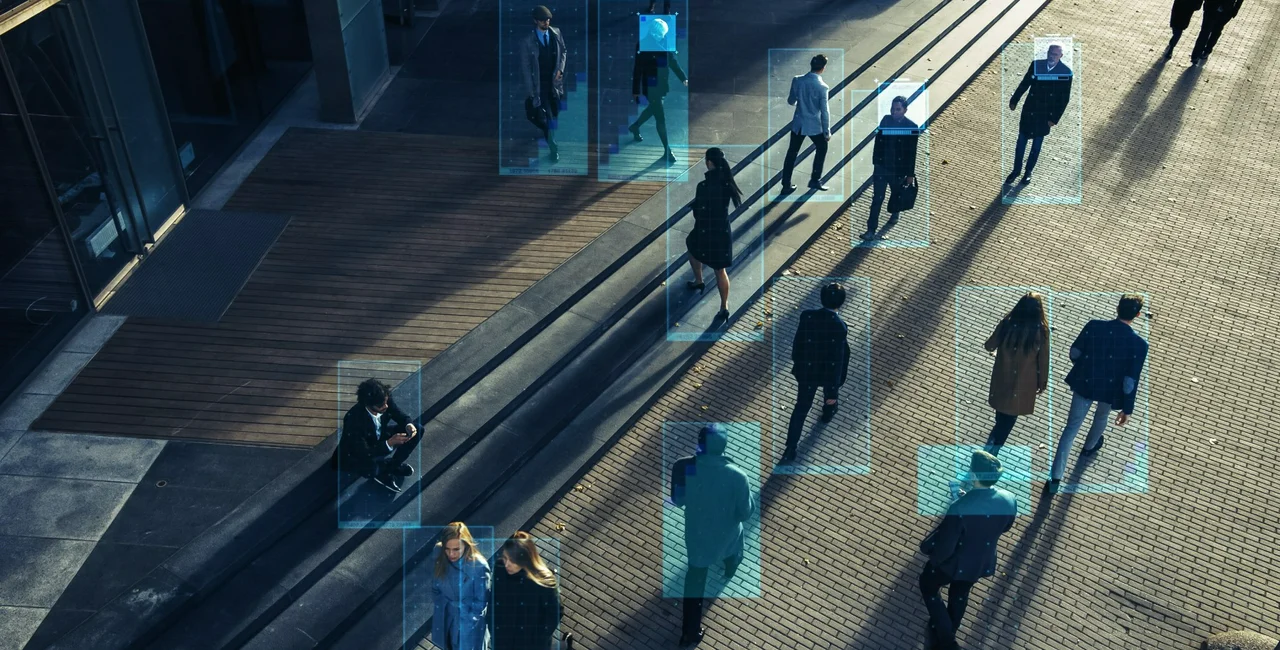
Tomáš Portlík, the mayoral candidate for the SPOLU coalition led by the Civic Democrats (ODS), has proposed introducing smart cameras equipped with artificial intelligence on Prague's streets.
The proposal forms part of his approach to improving public safety, although questions remain about how such surveillance would operate, including its scope and potential privacy implications.
Meanwhile, Jan Hušbauer, the candidate for the ANO movement, wants to restrict alcohol sales in convenience stores after 10 p.m.
The measure would target late-night takeaway purchases rather than alcohol served in restaurants, pubs, or bars. Hušbauer argues that limiting these sales could help reduce disturbances, vandalism, and public drinking.
The proposal has already prompted political disagreement. Boris Šťastný, a minister representing the Motorists party, has criticized the restriction as an unnecessary interference with personal freedom, arguing that authorities should instead enforce existing public-order rules.
More police, homelessness and the election
The debate also exposed disagreements over how Prague should respond to homelessness and drug use in public spaces.
Milan Urban, representing the Freedom and Direct Democracy (SPD) party, proposed accommodating homeless people and those struggling with addiction in supervised hostels with social workers. He criticized existing housing programs, while Pirate candidate Tereza Nislerová defended the city's approach.
Nislerová also supported exploring AI-assisted cameras, while STAN candidate Petr Hlaváček emphasized preparations for emergencies, including potential disruptions to energy supplies.
Despite their differences, the candidates agreed on the need for more municipal police officers and addiction treatment services.
Full-Time English Elementary Teacher
English
Prague • CZK 65,000
EMEA Event Manager
English
Prague

Event & Nightlife Promoter (Clubs, Bars & Events)
English
Prague • CZK 30,000 - 60,000

The debate comes against a complicated statistical backdrop. Although candidates raised concerns about deteriorating public safety, police figures cited by Novinky indicate that crime in Prague has been declining over the longer term. Municipal police also recorded fewer public-drinking violations in 2025 than in 2024.
Prague's municipal elections take place Friday, Oct. 9, from 2 p.m. to 10 p.m., and Saturday, Oct. 10, from 8 a.m. to 2 p.m. Voters will elect 65 city assembly members.
For residents, the outcome could shape future rules on late-night shopping, surveillance and public safety. However, the measures discussed remain campaign proposals, and their introduction would depend on the next city administration and the relevant approval processes.