
 Reading time: 2 minutes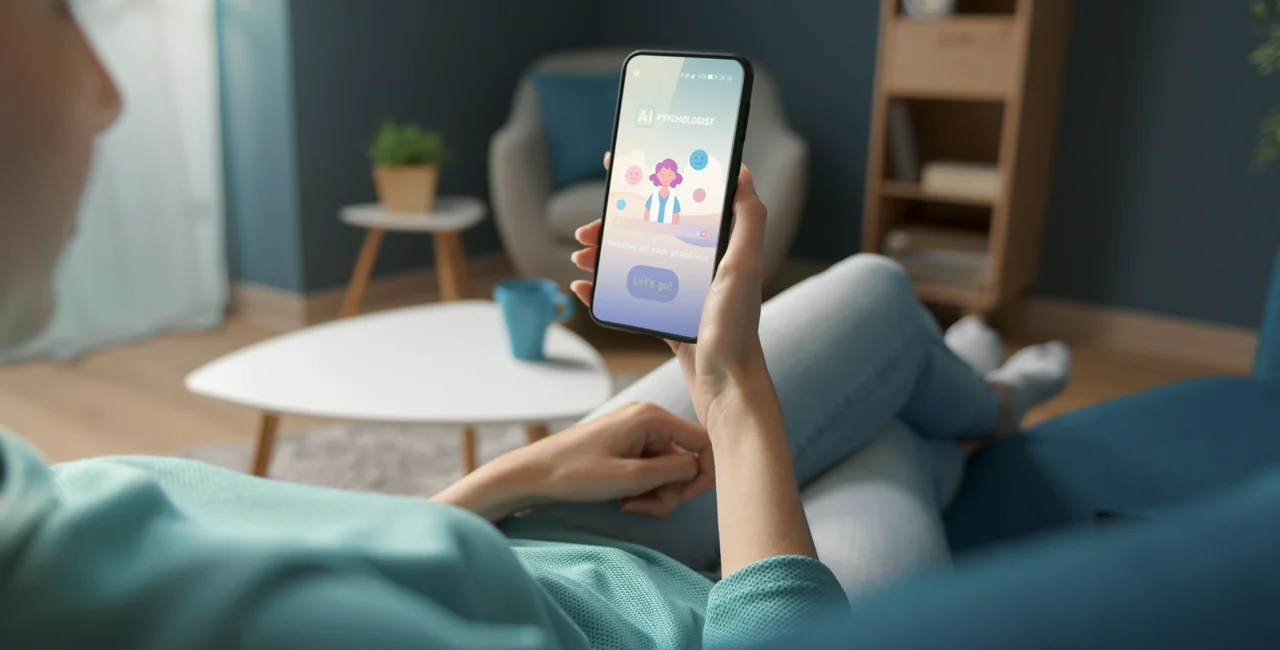

 Summary for: One-third of Czech adults turn to AI for mental health support, survey finds
One-third of adults surveyed in Czechia used artificial intelligence to discuss their mental health in the previous month, rising to more than half among young respondents, officials said Tuesday.
The findings come from a PAQ Research survey of more than 1,700 people conducted in June. Participants most commonly used AI to manage stress, find information and better understand their psychological difficulties, according to the Czech Health Ministry.
The ministry plans to develop recommendations for the public and professionals through a project running until 2028. Officials said AI should complement professional care, while highlighting concerns about unreliable advice and privacy.
Some respondents delayed care or changed medication use
Health Minister Adam Vojtěch said people increasingly treated AI as a conversational partner with whom they could share personal problems.

However, the survey also recorded potentially consequential decisions. According to the ministry’s account, 13 percent of respondents postponed seeking professional help because of AI, 10 percent received advice differing from that of their doctor or therapist, and 8 percent changed their medication use following AI recommendations.
“It should not replace professional care. In that respect, it can be very risky,” Vojtěch said.
He added that clinicians should recognize that patients may already be consulting AI and ask about those conversations during appointments.

Prime Minister Andrej Babiš, speaking at the opening of a conference on AI and mental health, emphasized the need for reliable responses and protection of personal information.
Guidance will evolve alongside the technology
Government mental health commissioner Dita Protopopová said AI’s appeal was not explained solely by shortages of specialists, particularly those treating children. Users also found the interaction more anonymous and comfortable, she said.
For children, the digital world was already part of everyday life, making it important to provide support in environments they use.
Former National Institute of Mental Health Director Petr Winkler said recommendations would need to change alongside technology and experience. Experts were also seeking to engage with companies operating generative AI platforms.
He described the aim as helping people use AI safely and critically, rather than restricting its use.

The discussion comes amid increased demand for mental health care. Psychiatric Society Chairman Tomáš Kašpárek said the number of children and adolescents receiving outpatient psychiatric treatment rose by more than 60 percent between 2010 and 2024.
Acute psychiatric hospitalizations among those younger than 20 more than doubled over the past decade, he said.
The officials' central message is that AI can provide an additional source of information and conversation, but should support rather than replace qualified care. The reported medication changes and delayed appointments underscore why they want professionals involved in assessing how patients use these tools.