 Reading time: 2 minutes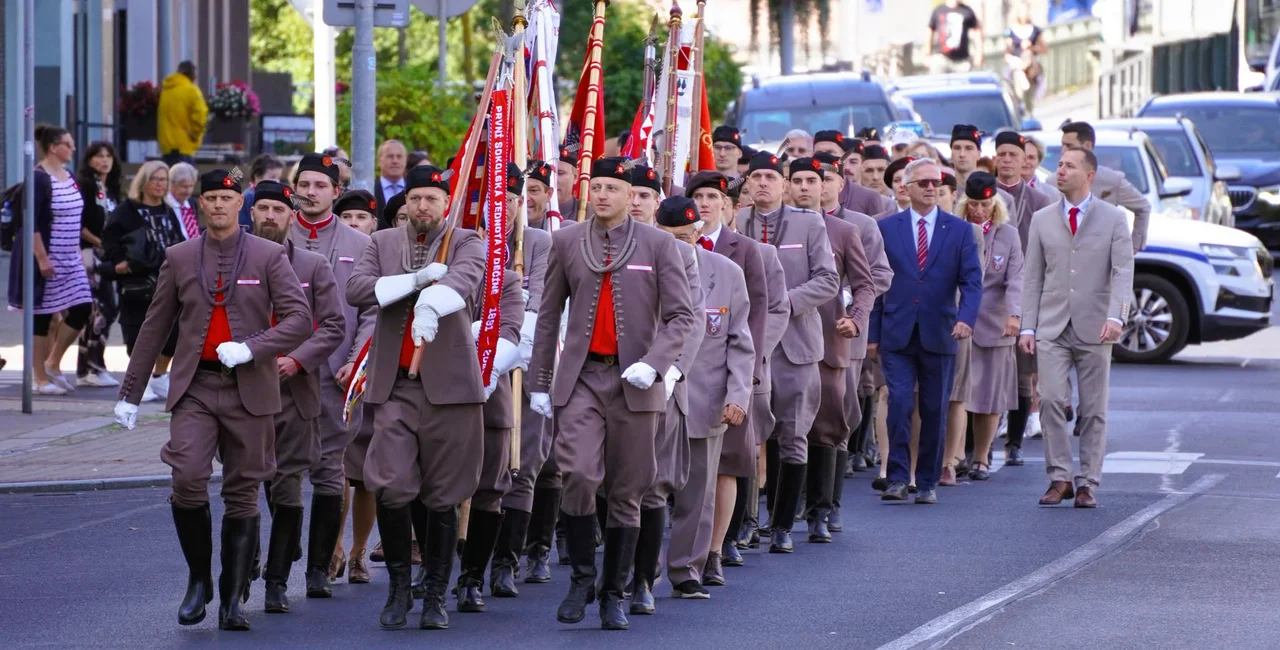

 Summary for: Czech Sokol movement seeks heritage status, with UNESCO recognition next
The Czech Sokol movement is preparing an application for inclusion on Czechia’s national list of intangible cultural heritage, with a UNESCO nomination planned as a subsequent step.
The organization has broadened its original proposal, which focused on the všesokolský slet, its large collective gymnastics gatherings. Following discussions with the Culture Ministry, it now intends to seek recognition for the wider Sokol tradition, spokeswoman Johana Homolová told ČTK.
The application is still being finalized. Neither national heritage status nor UNESCO recognition has yet been granted.
What is Sokol?
Sokol, Czech for “falcon,” is a sporting and civic movement founded in Prague in February 1862 by Miroslav Tyrš and Jindřich Fügner.
It combined physical exercise with education, community life and a belief in the importance of Czech cultural identity. Its founders saw organized physical training as a way to strengthen people both physically and mentally and bring broader sections of society into the national movement.
For international residents, a local sokolovna, a Sokol gymnasium or community hall, is often the most visible expression of that tradition. The movement’s activities extend beyond gymnastics, connecting sport with cultural and social life.
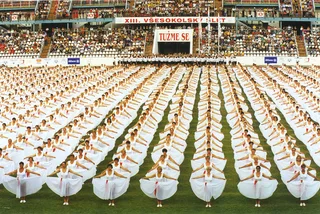
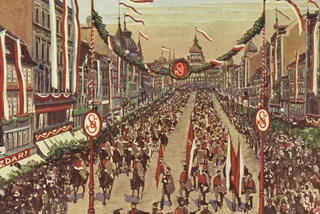
Its best-known public events are the slety: gatherings featuring large groups performing coordinated exercise routines. The first took place in 1882. In recent years, the events have brought together tens of thousands of participants and more than 100,000 visitors from Czechia and abroad, according to ČTK.

The movement also spread internationally. Organizations such as American Sokol continue its sporting and educational traditions overseas.
Sokol was banned three times during its history, most recently under the communist regime in the 1950s. The organization resumed its activities after 1989 and now has approximately 160,000 members.
Heritage bid expands beyond the mass gatherings
Sokol collected petition signatures last autumn in support of UNESCO recognition for the slet. Its revised approach instead seeks to recognize the practices and traditions of the movement as a whole.
Homolová said the broader nomination was considered more significant than the original proposal.
If successful, she said, UNESCO recognition would acknowledge the work of generations of members who established, developed and continue to sustain the organization.

The immediate step is completing the national application in accordance with Culture Ministry guidance. A proposal for UNESCO inscription would follow afterward.
Intangible cultural heritage concerns living traditions, skills and practices rather than simply protecting historic buildings. For Sokol, that places the emphasis on the culture passed between generations—not only its halls or the spectacle of a major gathering.
Czech traditions already recognized by UNESCO include Slovácko’s verbuňk dance, puppetry, blueprint textile printing, timber rafting and handmade glass production. Sokol hopes its combination of exercise, voluntary association and community identity will eventually join them.