




 Reading time: 2 minutes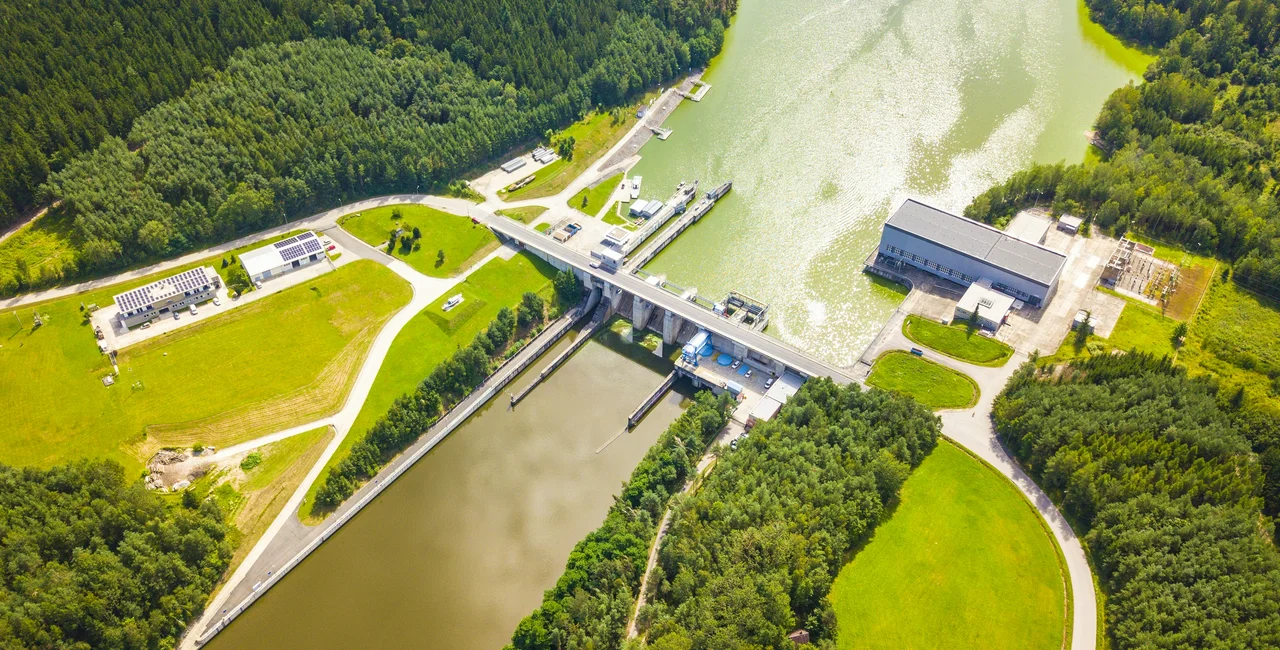

 Summary for: Drought cuts Vltava hydropower output to less than half its usual level
Hydroelectric plants along the Vltava are currently producing just 40 to 50 percent of their long-term average output because of drought and low river flows, energy company ČEZ said Oct. 9.
All of the company’s Vltava hydropower plants remain operational, but limited water supplies have significantly reduced generation. They can no longer guarantee electricity deliveries during periods of peak demand, spokesman Martin Schreier told ČTK.
ČEZ is replacing the reduced supply with other sources, particularly the Dalešice pumped-storage power station near Třebíč. The announcement concerns constrained hydropower production rather than a planned interruption to household electricity supplies.
Low flows limit electricity generation
At Vrané, the downstream end of the Vltava cascade feeding water toward Prague, the current discharge is approximately 28 cubic meters per second. The power station’s two generating units can together handle up to 180 cubic meters per second.
At Orlík, the available flow is approximately 15 cubic meters per second. Schreier said the plant can use only that volume, reducing its production to less than half its previous level.
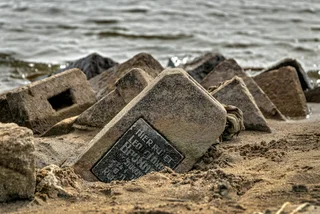
Other southern Bohemian plants, including Lipno I, Lipno II, Hněvkovice and Kořensko, are using only the water needed to maintain minimum downstream flows. Their output is lower by tens of percent compared with normal conditions.
The reservoirs are gradually losing water as drought persists and stored supplies are released to support river flows. Authorities are now adjusting those releases to slow the decline in reservoir levels.

Regions authorize lower releases to conserve water
Central Bohemia’s drought commission declared a water-shortage status for the Vltava and Elbe on Oct. 7.
The decision permits the minimum discharge at Vrané to fall from 35 to as little as 20 cubic meters per second until April 30, 2027, ČT24 reports. The temporary measure is intended to slow falling water levels at Slapy and, potentially, Orlík.
South Bohemia declared a drought status across the region on Oct. 6. That enables faster decisions on reservoir releases: Rather than waiting several days for consultation with relevant institutions, the river basin authority can coordinate adjustments immediately with the region.
For residents, the immediate changes concern river management and electricity generation. The measures described in the announcement do not themselves establish a blanket ban on household water use; any local restrictions would need to be checked separately with the municipality or water supplier.