 Reading time: 2 minutes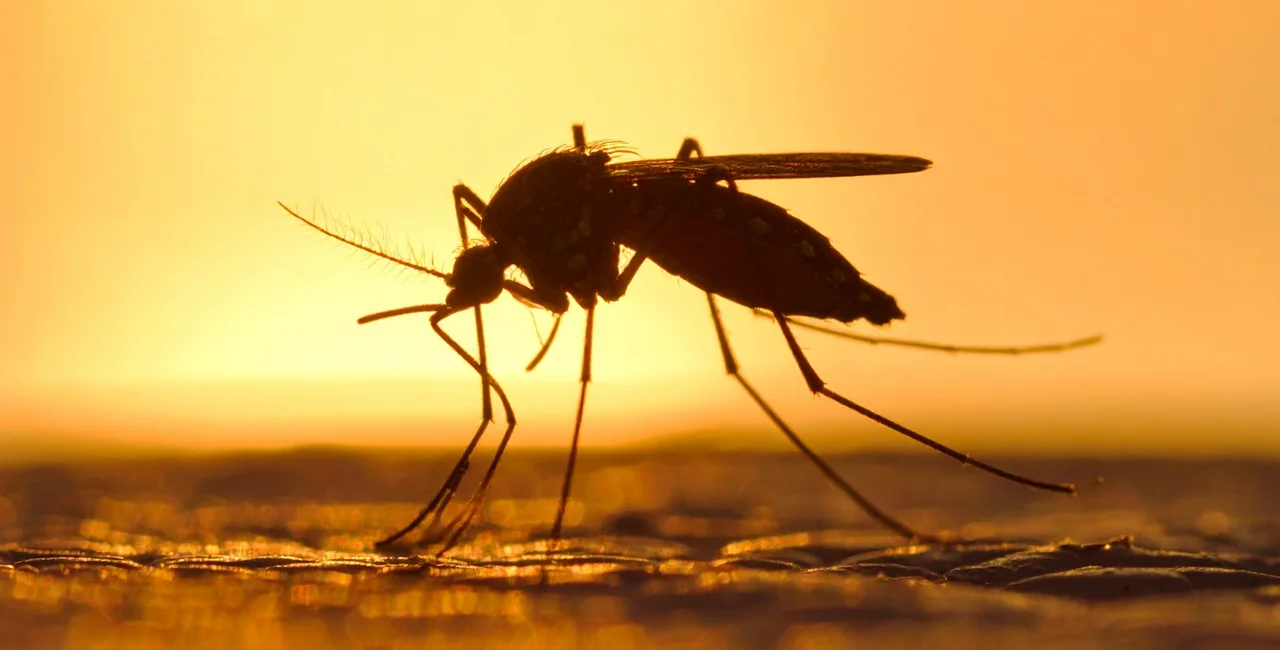

 Summary for: Exotic mosquito diseases are moving closer to Czechia: How to stay safe
More than 110 people in Czechia have contracted diseases carried by exotic mosquito species this year, as health authorities warn travelers that potentially infectious mosquitoes are increasingly present closer to home.
Cases have risen slightly compared with last year, according to data from the Czech National Institute of Public Health (SZÚ). Dengue fever accounts for a large share, with 77 cases detected through the end of July compared with 70 during the same period last year.
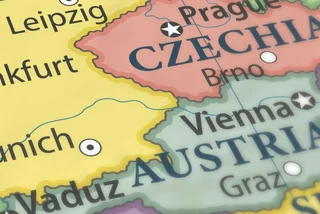
Almost all Czech dengue infections have been associated with travel abroad. But health officials say the geography of the risk is changing: mosquitoes capable of transmitting dengue and chikungunya have become established in parts of southern Europe, with locally acquired infections reported in countries including France and Italy.
"A mosquito in southern Europe may no longer be just an annoying insect; it can also transmit infectious diseases," acting Chief Public Health Officer Matyáš Fošum said.
Mosquito risk no longer limited to the tropics
Travelers heading to southern and southeastern Europe, as well as Asia, are being urged to take particular precautions.
One concern is the Asian tiger mosquito, Aedes albopictus, an invasive species capable of transmitting viruses including dengue and chikungunya. Unlike many mosquitoes familiar to Europeans, it is also active during daylight hours. That means travelers cannot rely solely on protecting themselves around dusk or while sleeping.
West Nile virus presents another concern. Nearly 900 infections have been recorded across the EU this year, according to Czech health officials. Czechia has not reported a case in 2026, though two were recorded last year.

Most people infected with West Nile virus experience no symptoms. Those who do may develop fever, headaches and muscle pain resembling other viral infections. Older people and those with chronic illnesses face a greater risk of serious complications.
Experts have also warned that warming temperatures and the spread of invasive mosquito species are making parts of Europe increasingly suitable for diseases once associated primarily with tropical and subtropical destinations.
That does not mean widespread transmission is currently occurring in Czechia. For Czech travelers, the more immediate risk remains becoming infected while abroad and returning home with the illness.
How to protect yourself while traveling
The Czech Health Ministry recommends using repellents containing DEET or icaridin on exposed skin and following the manufacturer's instructions. In areas with tiger mosquitoes, protection should be used during the day as well as in the evening.
Long sleeves and trousers, preferably in lighter colors, can offer additional protection, particularly around dawn and dusk when Culex mosquitoes, which can transmit West Nile virus, are most active.
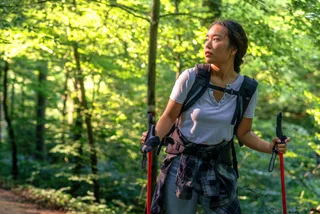

Travelers should also use window screens, mosquito nets or electric insect repellents where appropriate and check current disease information for their destination before leaving.
Officials caution against assuming the risk disappears with the end of summer. While mosquito activity declines as autumn arrives in Czechia, insects can remain active considerably longer in southern Europe and other warmer destinations.
For anyone returning from a trip with unexplained fever, severe headache, muscle or joint pain, recent travel history can be important information to share with a doctor, especially after visiting an area where mosquito-borne infections are circulating.