 Reading time: 4 minutes

 Summary for: The story behind Prague’s metro tiles is fascinating. These gifts bring the design home
Spend enough time waiting for a train on Prague’s line A and you’ll probably develop a favorite station wall. But behind the jewel-like repeating circles is a story rooted in over 100 years of Czech design, which continues to find a place in peoples' hearts beyond the platforms.
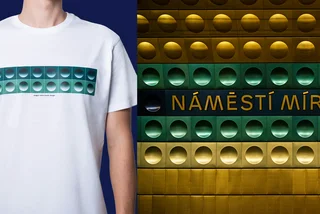
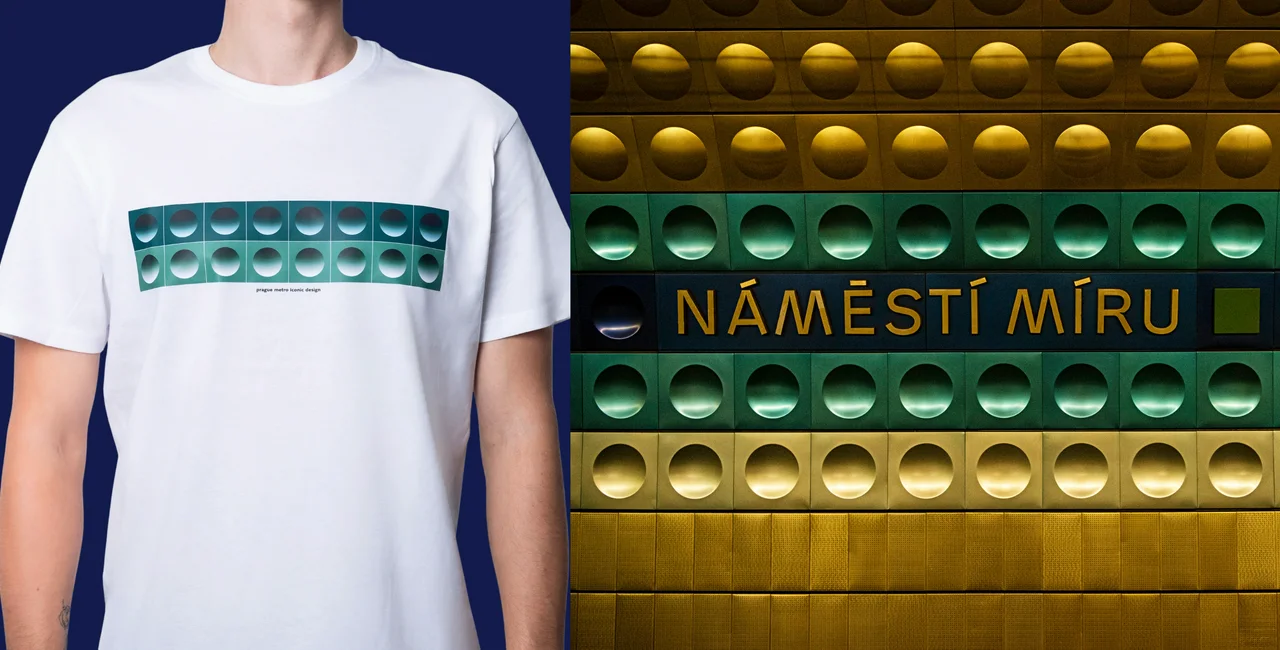
Nov. 11, 2026, marks 110 years since the birth of Jaroslav Otruba, the architect behind the metro’s distinctive aluminum tiles, from the deep blue walls at Náměstí Míru, the shades of green at Malostranská and more. The effect is often compared with op art, which uses shape and repetition to create optical illusions.
“The Prague Metro is unique in the world with its architectural and design elements, and its stations are some of the most photogenic in Europe,” says Jana Adamcová, vice chairwoman of the board of directors of Prague City Tourism.
Otruba’s work continues to inspire visitors and residents with a Czech-made souvenir collection that offers a particularly local answer to the annual Christmas gift dilemma. Here is a closer look at the architect, his iconic design, and how his legacy lives on today.
The architect behind your commute
Born in Olomouc in 1916, Otruba moved to Prague with his family as a child and studied architecture at the Czech Technical University in Prague. The Nazi closure of Czechoslovak universities interrupted his education, but he managed to complete his final state examination in 1945.
After graduating, he stayed at the university as an assistant, researching hospital design and earning a doctorate in 1953. But political pressure under the communist regime interrupted his academic career, and in 1960, he chose to leave the university as faculty members faced demands to conform politically.
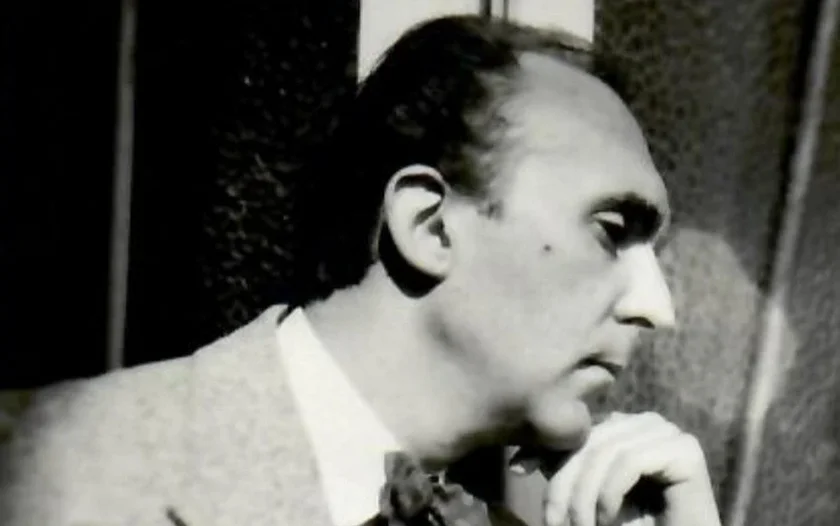
He moved into transport architecture as a lead designer at the State Institute of Transport Planning, work that eventually led him to the Prague metro. By the early 1970s, he had become chief architect of the underground system.
Working with other architects on stations along lines A and C, he helped shape spaces that would become familiar to generations of passengers. His best-known contribution remains the pressed aluminum cladding on line A, with its alternating concave and convex forms giving the walls a depth that changes with the light and the viewer’s position.
The metallic finish comes from anodizing, a treatment used to color the aluminum. Variations in the process give individual tiles subtly different hues, adding to the effect across an entire platform.
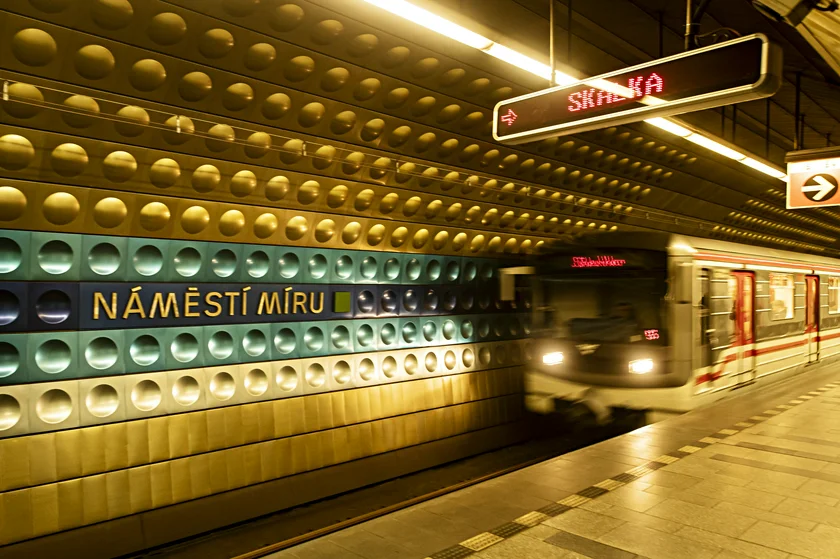
It’s not just for show, either. The colors served a practical purpose, helping passengers tell otherwise similar station tunnels apart. Otruba connected the colorschemes to reference the city above. Next time you admire Malostranská’s green, remember its nearby gardens. If you’re a fan of Hradčanská’s gold, it’s a subtle nod to Prague Castle and its association with Bohemian kings.
A metro panel for your own wall
Prague Metro swag is a real thing. In 2024, six original panels removed during the renovation of Jiřího z Poděbrad station went up for charity auction alongside an illuminated station sign. Together, they raised CZK 423,200 for Asistence, an organization supporting people with disabilities.
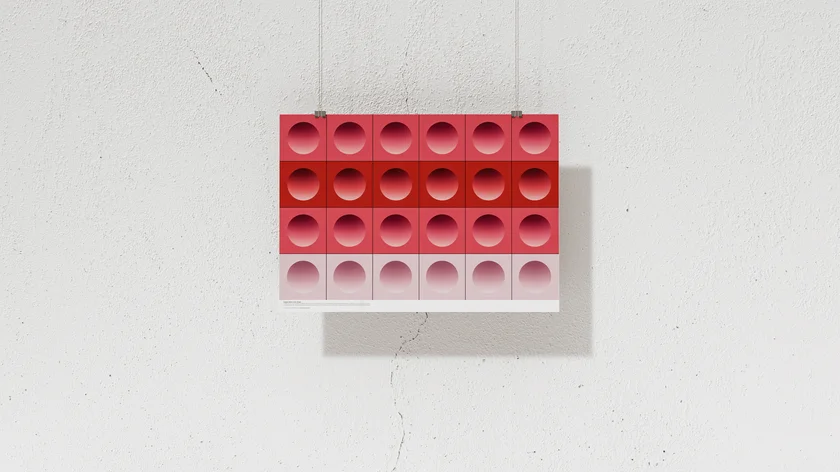
“His work is undoubtedly timeless,” says designer Petr Novague, who worked with Otruba’s daughter, Vítězslava, to bring his artistry into people’s homes. Novague has collaborated with Prague City Tourism to design a collection of objects, from small prints to framed wall installations, made from the subway tiles.
“It was all with the aim of commemorating Otruba’s iconic rendition of the combination of the circle and the square," Novague stated in a previous interview.
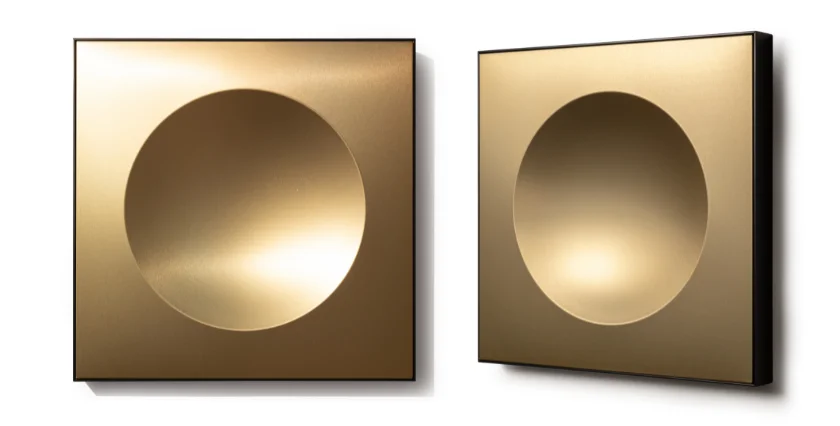
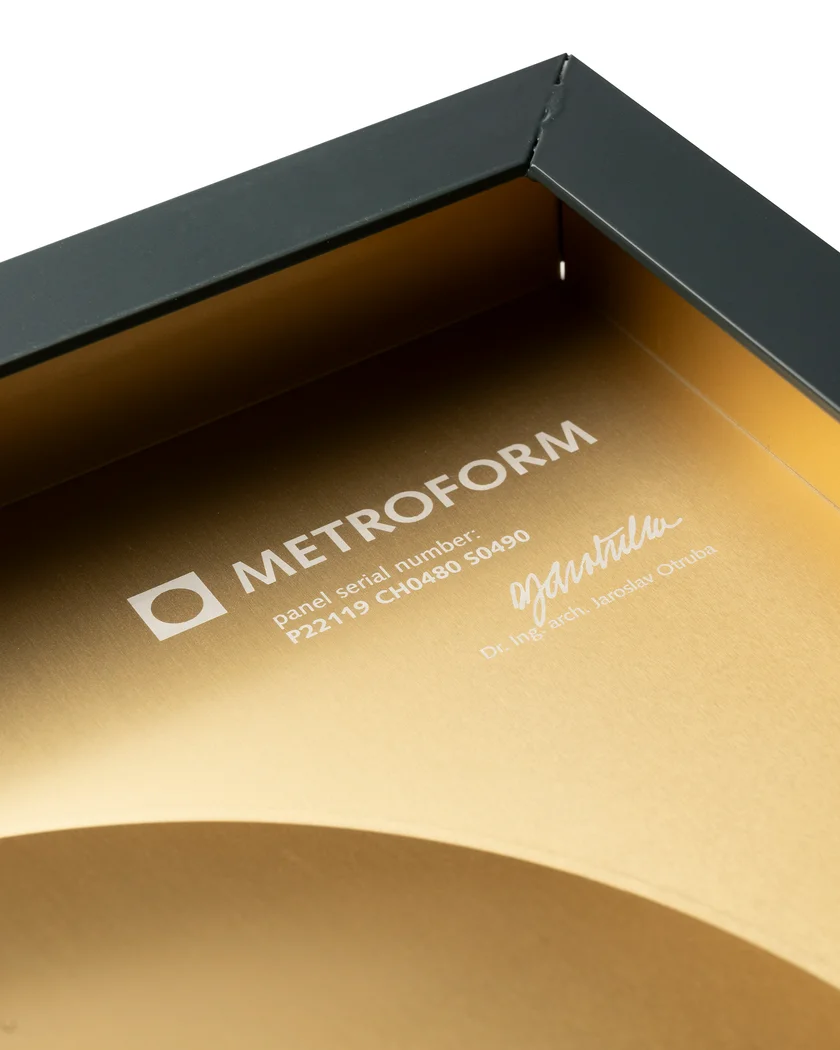
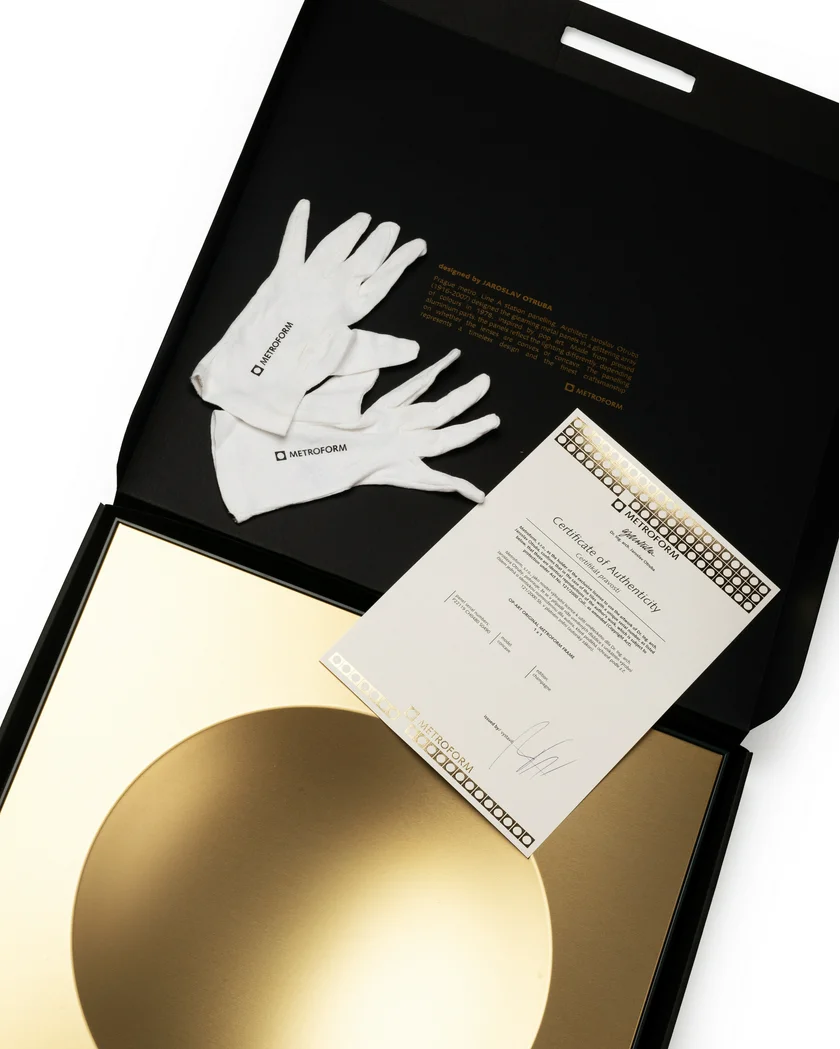
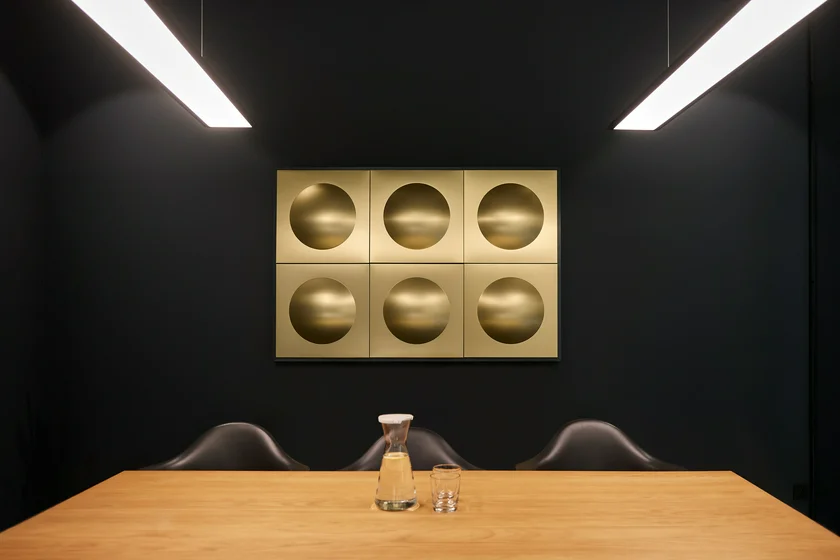
The Prague Metro Panel Replica follows the original design particularly closely, using the same anodized aluminum and production technology, including its distinctive surface treatment.
The champagne-colored concave panel comes framed and ready to hang, with a framing system that presents the panels individually or in arrangements, giving their geometry the attention it can be easy to overlook while rushing for a train. Each is numbered and signed, accompanied by a certificate of authenticity and presented in a gift box.
Smaller gifts with a familiar pattern
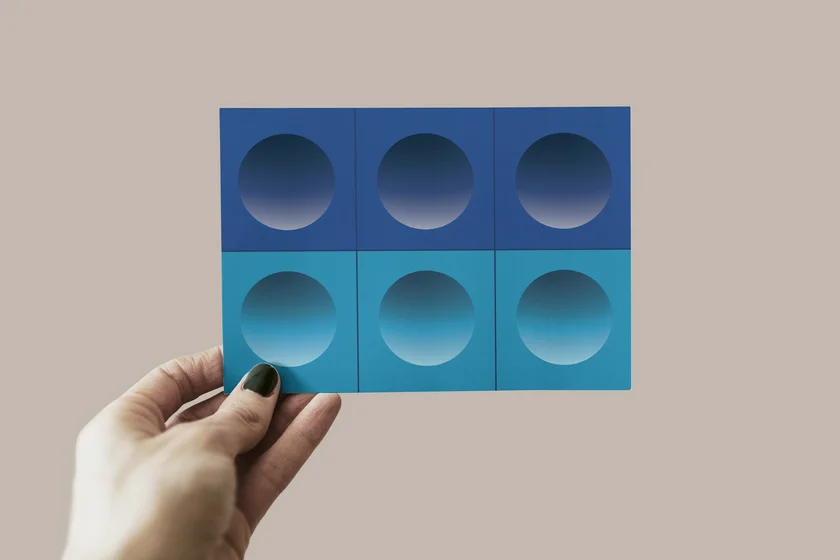
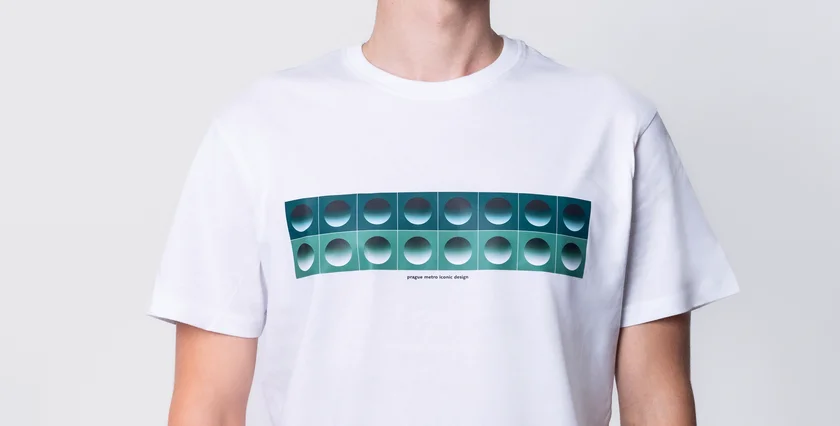
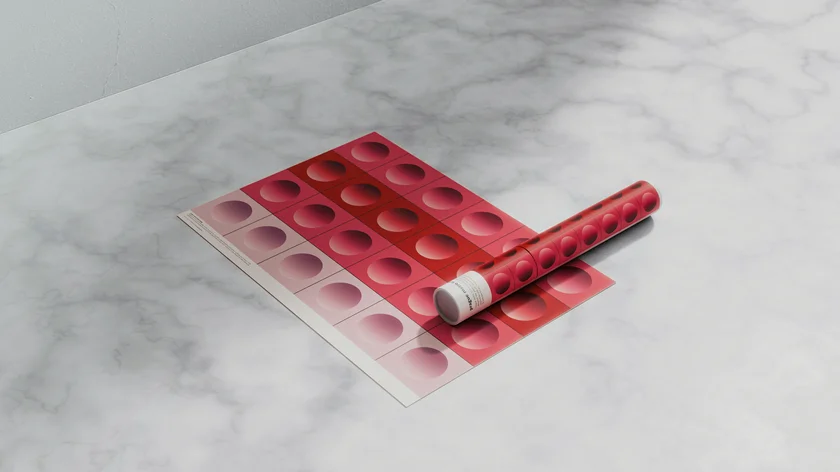
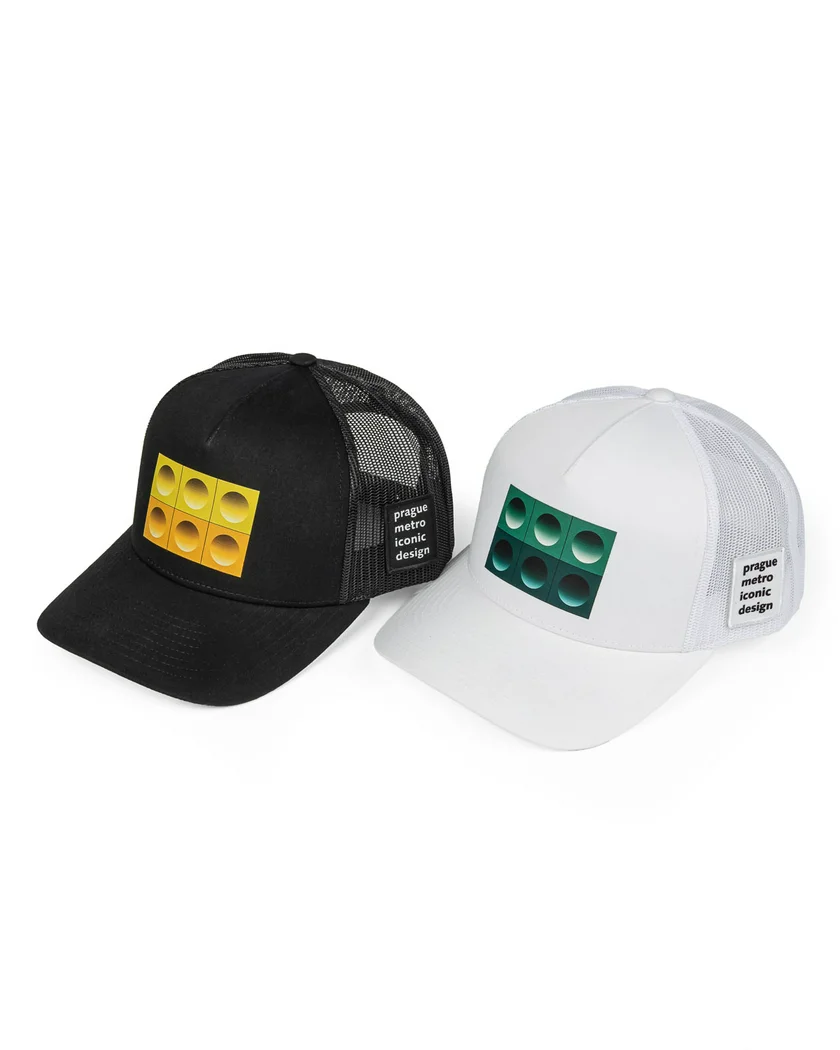
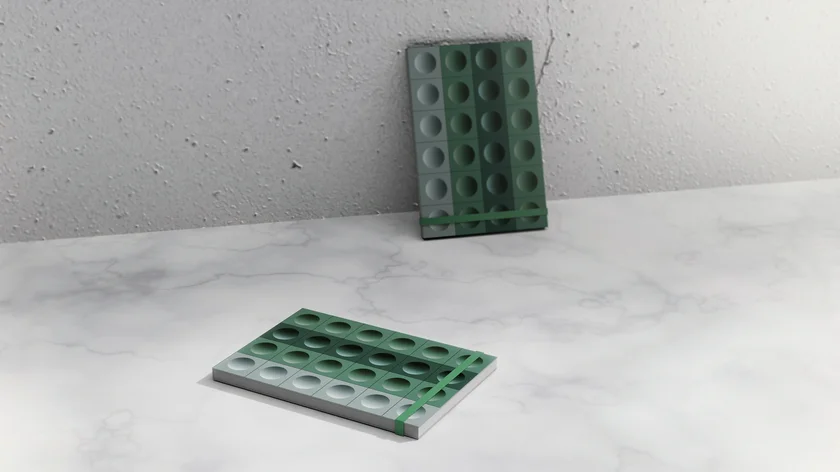
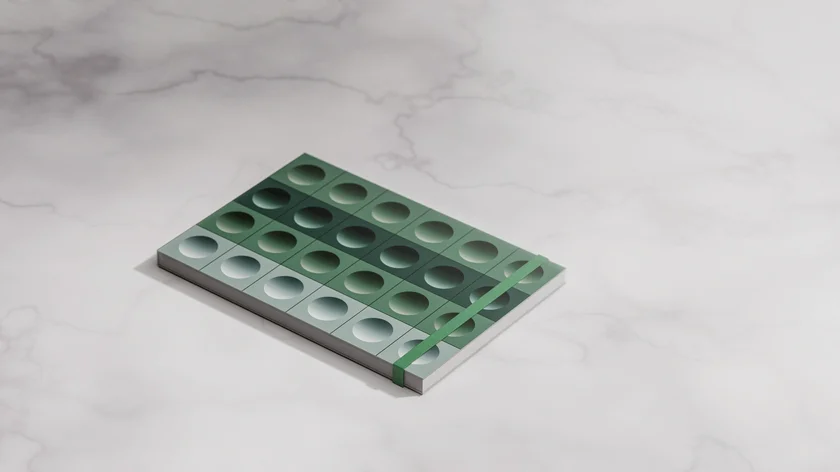
The collection also includes T-shirts, postcards, greeting cards and bookmarks, all made in Czechia. These bring the metro’s visual identity to everyday objects, with options for colleagues, family abroad or anyone who would recognize the pattern before reading the label.
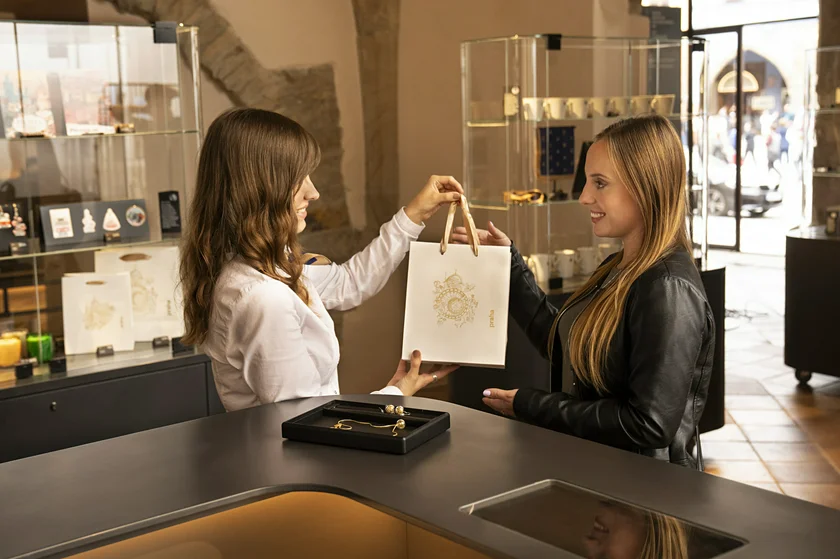
The wider original souvenir range is produced in limited quantities with other Czech creators. Purchases support local creative work and Prague’s approach to tourism that values the city’s cultural heritage.
“We are extremely happy to be able to promote the Prague Metro not only as an ecological mode of transport, but also to exclusively offer its iconic design to visitors to Prague as a unique gift,” adds Adamcová.
Maybe it’s the station near their first apartment, their daily journey to work or the platform where they waited for the last train on an unforgettable night out in the city. Whatever your preference, it’s clear that what Otruba achieved with two basic shapes has become a personal connection for people who collect Czech designs or have made Prague their home.
Browse the collection online through Prague City Tourism’s e-shop, or visit its original souvenir store at Old Town Hall while doing your Christmas shopping.