Reading time: 2 minutes

 Summary for: Czech minister seeks to block Russian hockey players as remarks draw backlash
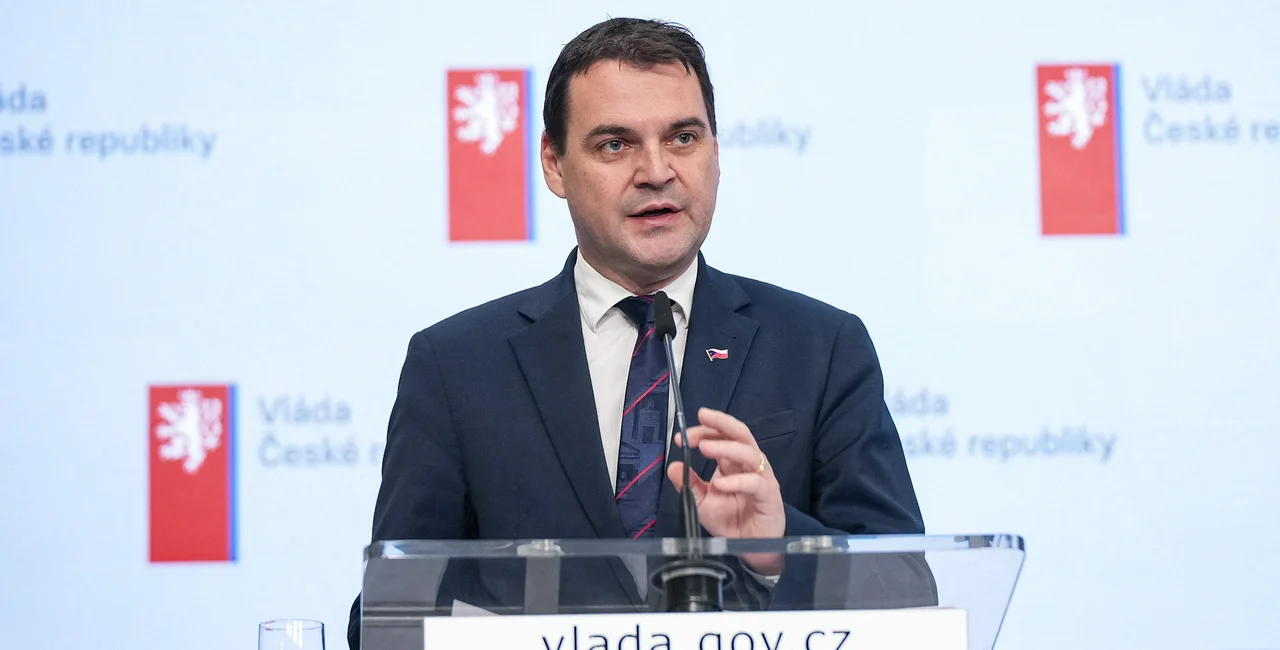
Foreign Minister Petr Macinka will meet Czech hockey officials next week to discuss Russia’s potential participation in January’s under-18 women’s world championship in Ostrava, including how to address players arriving from elsewhere in the Schengen area.
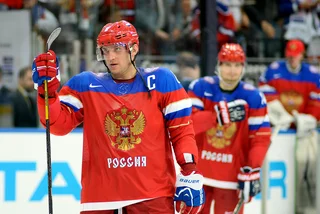
Speaking on CNN Prima News on Sunday, Macinka said he could not imagine Russian athletes competing in Czechia while Russia’s war against Ukraine continues. He noted that Czechia does not issue visas to Russian athletes, but said arrivals through other Schengen countries remained an issue to resolve.
PARTNER ARTICLE
The discussion also prompted a backlash after Macinka described ice hockey as a men’s sport and used a derogatory term for Russian female players.
Hockey officials seek government intervention
The dispute follows a Court of Arbitration for Sport decision ordering Russia’s immediate return to international tournaments, which Czech government representatives criticized last week.
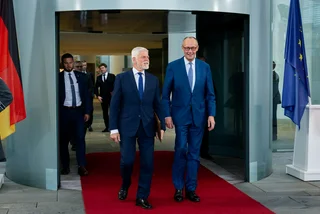
Macinka plans to discuss arrangements with Czech Ice Hockey Association president Alois Hadamczik and International Ice Hockey Federation vice president Petr Bříza. The meeting had originally been planned for last week but was postponed because Macinka was ill.
Hadamczik said Thursday that the association needed government assistance both with the January tournament and any boycott of games against Russia at the world championship.
He argued that refusing to play without government intervention could expose the Czech team to sporting sanctions, including relegation.

“We cannot simply say we will not play them,” Hadamczik said. He called for a government decision prohibiting such matches, which the association could then invoke.
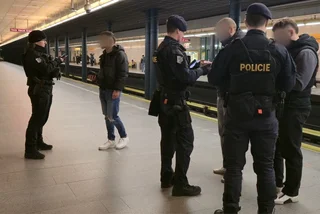
His comments about police preventing Russian athletes from competing were a proposed approach, rather than an announced enforcement decision.
Former Foreign Minister Jan Lipavský, who appeared alongside Macinka on Sunday’s program, agreed that hearing the Russian anthem in Czechia during the war was unacceptable.
Comments about women’s hockey spark criticism
Lipavský nevertheless challenged Macinka’s remarks about female players. Macinka said hockey was a male sport and that “feminists” would have to manage without Russian “mannish women.”
Lipavský called the comments inappropriate. Chamber of Deputies Deputy Speaker Michaela Šebelová also criticized the remarks, saying Czech female hockey players represented the country more creditably than Macinka did as foreign minister.

Sports Minister Boris Šťastný, a member of Macinka’s own Motorists party, subsequently issued a statement praising women’s hockey.
He highlighted its history of more than 130 years and described Czech players as successful representatives of the country and role models for girls.
Women deserve equal respect across all sports, including those historically regarded as male domains, Šťastný wrote. Performance, hard work and determination should be decisive, he added, rather than prejudice.