



 Reading time: 5 minutes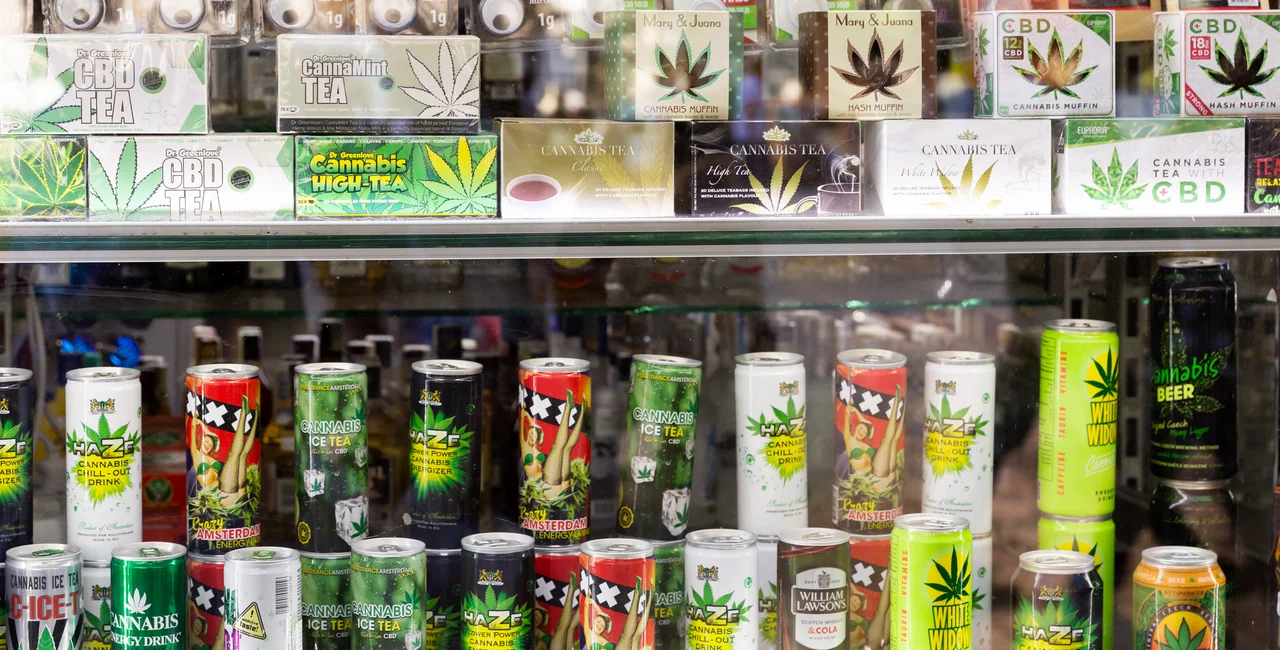

 Summary for: Czechia considers limits on alcohol, energy drinks, and CBD: How does Europe compare?
Czechia is considering tighter restrictions on alcohol, energy drinks and some hemp-derived products, as new proposals around the consumption and sales of these substances are emerging this week.
The measures are at very different stages. A proposed restriction on late-night alcohol sales is already facing opposition within the governing coalition. The government is preparing legislation to close loopholes around psychoactive hemp products. And a renewed campaign to restrict energy-drink sales to children has put the issue back on the political agenda.

Here’s where each proposal stands, and how Czechia’s approach compares with other European countries.
Alcohol: Proposed night-sale restriction hits opposition
The latest: Health Minister Adam Vojtěch's proposal to restrict evening alcohol sales is facing opposition from coalition partner SPD before the government has even agreed on the details.
Tomio Okamura, the speaker of the Chamber of Deputies and SPD leader, said Tuesday that he would reject Vojtěch's proposal at a meeting of the coalition council. The health minister has been considering a ban on retail alcohol sales after 9 or 10 p.m. as part of a broader effort to reduce alcohol consumption.
Vojtěch first outlined the idea at a Senate hearing in July, saying he wanted to introduce measures to address what he described as excessive alcohol consumption in Czechia.
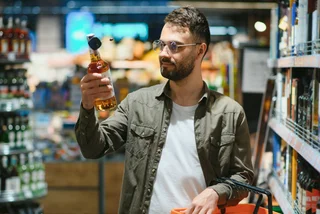
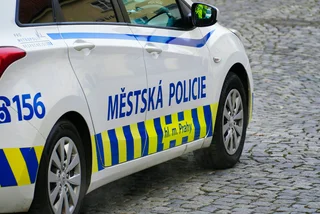
He has specifically pointed to convenience stores as a problem, saying cities and municipal police have contacted him about alcohol being sold in such stores in a “virtually uncontrolled manner.”
The proposal would concern retail sales, not drinking alcohol after the proposed cutoff. A night-time sales restriction would therefore not mean that Prague's pubs, bars and restaurants would have to close at 9 or 10 p.m.
Where it stands: The minister is pushing the idea, but it faces political opposition and has not become law.
How Europe handles late-night alcohol sales
Poland allows municipalities to restrict retail alcohol sales during night-time hours. Warsaw introduced a citywide restriction on June 1, 2026, banning alcohol sales in grocery stores, kiosks, petrol stations and other takeaway outlets from 10 p.m. to 6 a.m. Restaurants, bars and clubs can continue selling alcohol during their opening hours. Latvia has gone further with a national rule: alcohol can be sold from 10 a.m. to 8 p.m. Monday through Saturday and until 6 p.m. on Sundays.
Energy drinks: Renewed push to stop children buying them
The latest: A new Czech survey has put pressure on the government to revive restrictions on energy drinks for children, while ministers remain divided over whether the state or parents should decide what young people can buy.
The Behavio survey cited in the Czech media found that 24 percent of children aged 11 to 15 consume energy drinks at least several times a month. Among 16- and 17-year-olds, the figure rises to 43 percent.

Luboš Zajíc, chairman of the Association of Primary School Principals, said energy drinks have become a routine school-day purchase for some children.
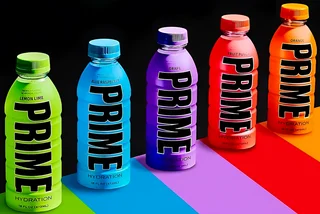
“In the morning, they go to the supermarket and buy an energy drink instead of a snack,” he said. Advertising, packaging and influencers also make the drinks attractive to young consumers, he said.
MPs previously proposed restricting sales to children, but the measure never reached a vote. Health Minister Adam Vojtěch supports tighter controls, while government colleague Boris Šťastný opposes a ban and says parents should decide.
Parents' Union chairwoman Angelika Gergelová said families struggle to control what children buy outside the home: “The availability of attractively designed cans in regular sales is simply very high.”
Where it stands: A renewed push for restrictions, with government support but disagreement over how far the state should go.
How Europe handles energy drinks
- Lithuania became the first country to prohibit energy-drink sales to under-18s in 2014. Latvia, Poland, Romania, Hungary and Bulgaria have since introduced national restrictions on sales to minors.
- Poland has prohibited sales to under-18s since 2024, including sales through vending machines and in schools.
- Norway introduced a 16+ minimum age in January 2026, covering shops, canteens, vending machines, festivals and sporting events.
- North Macedonia takes the opposite approach on age: sales are prohibited to children under 14.

CBD and industrial hemp: Government moves to close a loophole
The latest: The Health and Interior ministries have three weeks to draft legislation aimed at closing loopholes around psychoactive substances.
Interior Minister Lubomír Metnar said Monday that a government working group had prepared 16 proposals following spring inspections. They include banning the enrichment of industrial hemp with synthetic substances, restricting the uncontrolled production of strong extracts, and preventing CBD from being processed into other psychoactive substances.
“The result is a set of measures aimed at reducing the availability of dangerous psychoactive substances and closing the loophole in the law,” Metnar said.
The package would also introduce a group system for psychoactive substances and a rapid-response mechanism to stop manufacturers evading restrictions by making small chemical changes.

Prime Minister Andrej Babiš said current legislation does not give authorities enough power to take “radical action” against businesses circumventing the rules, including stores targeting tourists in Prague.
The proposal is not a blanket CBD ban. It targets products and production methods that turn hemp or CBD into psychoactive substances.
Separately, the Health Ministry has proposed tighter kratom rules from January 2027, including raising the minimum age from 18 to 21, banning online sales, and introducing an excise tax.
Where it stands: The government has ordered ministries to prepare legislation. The proposed CBD/hemp restrictions are not yet law.
How Europe is dealing with psychoactive cannabinoids
CBD rules vary across Europe, but a closer comparison is the growing crackdown on psychoactive cannabinoids marketed as cannabis alternatives. The European Union Drugs Agency says 40 semi-synthetic cannabinoids had been identified by the end of 2025, with HHC placed under international control that December. Germany, France and Austria are among countries that have restricted HHC and similar substances. The Czech proposal follows the same approach: preventing producers from sidestepping restrictions by slightly altering a substance.
What happens next?
The three proposals are at different stages. Alcohol could face a political test as early as today, with Tomio Okamura saying he will oppose the proposed late-night sales restrictions.

The government has moved forward with the hemp and CBD measures, ordering the Health and Interior ministries to prepare legislative amendments by Sept. 14. Energy-drink restrictions remain at the proposal stage, with the health minister supporting tighter rules for children but no agreement yet within the government.
For consumers, that means none of these measures is an immediate nationwide ban. But the coming weeks should show how far the government is prepared to go and whether its proposed restrictions survive the political process.