Young people in Czechia could gain a greater say in local politics under a proposal that would allow citizens to vote in municipal elections from the age of 16, but the idea faces resistance from the current government.
President Petr Pavel has repeatedly expressed support for lowering the voting age for local elections, arguing that many young people are already engaged in public issues and capable of making informed decisions.
“I would support it because I think today’s young people often have a level of awareness that we did not have even at 20,” Pavel said in 2024. He has continued to back the proposal since then.
The change would mark the first time Czech voters aged 16 and 17 could participate in elections, although it would initially apply only to municipal voting.
Support from young voters and politicians
The proposal has recently been promoted by TOP 09, whose chairman Matěj Ondřej Havel argued that young people already take on responsibilities before turning 18.
“At 16, you can work, pay taxes, study a field that will influence your entire life, take part in society and face the consequences of political decisions,” Havel said last month. “Yet you cannot decide who makes those decisions in the place where you live.”
Some young politicians and student representatives have also welcomed the idea, saying local elections are a suitable way for first-time voters to become involved.
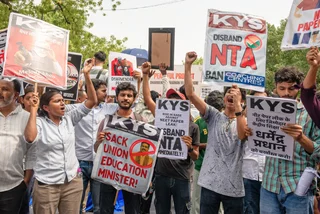
Members of the Czech Secondary School Union told Aktuálně.cz that many teenagers are interested in politics and should have the opportunity to participate. Supporters argue that voting in local elections could help young people prepare for national elections once they turn 18.
However, some students also questioned whether enough teenagers outside politically active groups would be interested in voting.
Government rejects proposal
The proposal faces opposition from the governing coalition of ANO, SPD and the Motorists. Justice Minister Jaromír Tejc, the government and election officials have all raised concerns about lowering the voting age.
Tejc argued that 18 remains the generally accepted age of legal maturity and said younger voters could be more vulnerable to influence. The government also said people under 18 are often still secondary school students and may be more susceptible to political pressure.
A new proposal under consideration in Czech parliament would lower the voting age to 16 for municipal elections. Do you support giving 16-year-olds the right to vote in local elections?
Election officials raised practical concerns, including additional administrative work and higher costs linked to printing and distributing ballots for two additional age groups. Tomáš Jírovec, director of the Interior Ministry’s election department, said expanding voter eligibility would require changes to election procedures and additional resources.
Supporters of the proposal point to examples from abroad. In Germany, most states allow people aged 16 and older to vote in local elections, while Austria and Malta allow 16-year-olds to vote in all elections.
For the proposal to become law, it would need approval from parliament and the president’s signature. With the current government coalition opposed, its future remains uncertain.