





 Reading time: 2 minutes

 Summary for: Czechia approves tighter kratom rules: Online sales to be banned
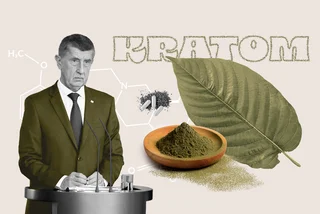
Buying kratom in Czechia could become significantly more restricted from next year after the government approved legislation raising the minimum age to 21 and banning online sales of the substance.
The amendment to Czechia's addictive substances law, dubbed lex kratom, was approved by the cabinet Monday, Health Minister Adam Vojtěch announced. It would also introduce an excise tax on kratom, raise VAT from 12 to 21 percent and tighten requirements for licensed stores and product safety.

Kratom is currently classified in Czechia as a psychomodulatory substance considered to carry a lower level of risk. Since November 2025, it has been legally available to adults aged 18 and over through licensed sellers, including regulated online stores operated by brick-and-mortar retailers.
What would change for kratom buyers?
Under the government's proposal, kratom and other regulated psychomodulatory substances could only be purchased from licensed physical stores. Municipalities would also gain the power to prohibit such shops within their territory.
The Health Ministry argues that the current rules do not provide sufficient protection, particularly for young people. It says kratom use is widespread among secondary school students and is sometimes combined with other substances, resulting in intoxications requiring medical intervention.
The legislation would also tighten requirements governing product quality, hygiene and packaging.
Some addiction specialists support raising the purchasing age, introducing taxes and imposing stronger product-safety rules but oppose the proposed online-sales ban.

Former national drug policy coordinator Jindřich Vobořil, speaking for the Rational Addiction Policy think tank, warned that eliminating legal online sales could push consumers toward unlicensed foreign sellers and the black market.
The group argues that regulated e-commerce can include strict age verification and that banning it could ultimately reduce state oversight of the products consumers purchase.

The broader legislation also includes changes affecting CBD and technical cannabis, including restrictions on processing and sales that have drawn criticism from addiction experts and businesses.
The government's approval does not mean the new restrictions are in force yet. The legislation must still pass through parliament before the proposed rules can take effect next year.